


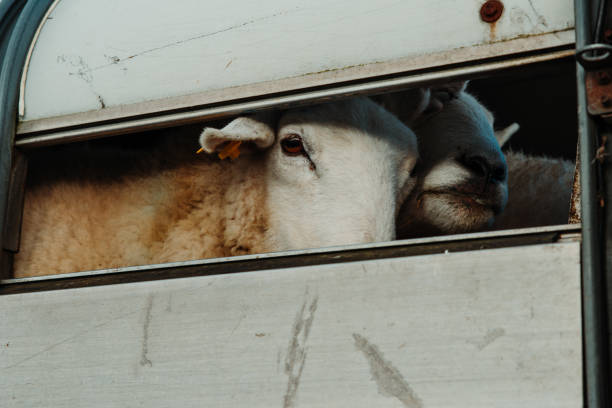
Animal transport in Nigeria requires careful planning because live animals have different transportation needs from ordinary goods. Whether you are moving cattle, goats, sheep, horses, poultry or pets, the journey needs to account for the animal’s condition, vehicle suitability, route, documentation and destination.
For farmers, livestock traders, breeders and businesses purchasing animals from another state, proper transport planning can help reduce injuries, losses, delays and unnecessary stress.
What Is Required for Animal Transport in Nigeria?
For interstate movement of trade animals, veterinary documentation is an important part of the process. Nigeria’s agricultural quarantine framework provides for inspection of trade animals and veterinary movement and loading permits at interstate veterinary control posts.
Before arranging transportation, confirm the requirements applicable to the particular animal, route and type of movement with the relevant veterinary authorities.
Animals Commonly Transported in Nigeria
Animal transport can involve several categories, including:
- Cattle
- Goats
- Sheep and rams
- Horses
- Poultry
- Dogs and cats
- Other livestock and farm animals
Nigeria Agricultural Quarantine Service identifies health inspection of animals including cattle, goats, sheep, horses, dogs, cats and poultry among its veterinary quarantine functions.
Choosing the Right Vehicle
The vehicle should match the species, number and size of animals being transported. It should provide adequate ventilation, sufficient space and secure flooring.
For livestock, the loading area should also allow animals to be loaded and unloaded without unnecessary force or risk of injury.
Overcrowding should be avoided, particularly on longer journeys. The objective should be to transport the animals safely rather than simply maximise the number carried on one vehicle.
Veterinary Checks and Movement Permits
Veterinary inspection helps authorities monitor animal health and reduce the spread of contagious diseases during livestock movement.
For interstate trade animals, the required veterinary movement and loading documentation should be arranged before departure. Vehicles may also encounter veterinary control posts along relevant routes.
It is therefore better to confirm the paperwork and route requirements before loading the animals rather than dealing with documentation problems after the journey has started.
Transporting Animals Across Long Distances
Long-distance animal transport requires additional preparation.
Depending on the journey, planning may need to account for:
- Water availability
- Feeding requirements
- Rest periods
- Weather conditions
- Road conditions
- Loading and unloading points
- Veterinary checkpoints
- Vehicle breakdowns
- Expected travel time
A route that looks short on a map may take considerably longer because of traffic, road conditions or stops along the way.
Animal Transport for Livestock Businesses
For livestock traders and farmers, transportation should be included when calculating the total cost of acquiring animals.
The actual cost may include the purchase price, loading, veterinary requirements, transport, feeding or watering during the journey, unloading and other logistics expenses.
This is particularly important when moving livestock between northern producing areas and markets in southern Nigeria. A cheaper purchase price does not necessarily result in a cheaper transaction if transportation and other costs are significantly higher.
Moving Animals for Export
International animal transport involves additional regulatory requirements.
NAQS states that animal exports require processes including an export permit, declaration for inspection, quarantine where applicable, laboratory analysis and quarantine clearance. Depending on the animal and destination, additional documents such as an international veterinary health certificate or CITES permit may be required.
Businesses exporting live animals should therefore confirm the requirements of both Nigeria and the destination country before arranging the shipment.
Transporting Pets in Nigeria
Pet transportation is different from commercial livestock movement. Owners may need to consider the animal’s health, vaccination records, suitable containment, journey length and the requirements of the transport provider.
For interstate or international movement, it is advisable to confirm any veterinary or documentation requirements before booking transportation.
How Travo.ng Can Help With Animal Transport Logistics
Travo.ng can help coordinate practical transportation and logistics requirements where appropriate, including vehicle arrangements, cargo movement and delivery coordination.
For businesses moving livestock or other animals, logistics planning needs to account for the nature of the animals rather than treating them as ordinary cargo. Route planning, vehicle suitability, documentation and timing all matter.
Plan Animal Transport Before Departure
Successful animal transport in Nigeria starts before the vehicle arrives at the farm or market.
Confirm the required veterinary documentation, select a suitable vehicle, prepare the animals for the journey and plan the route carefully. For longer trips, also consider water, feeding, rest and possible delays.
Good preparation can make animal movement safer, more organised and easier to budget while reducing avoidable problems during transportation.
