


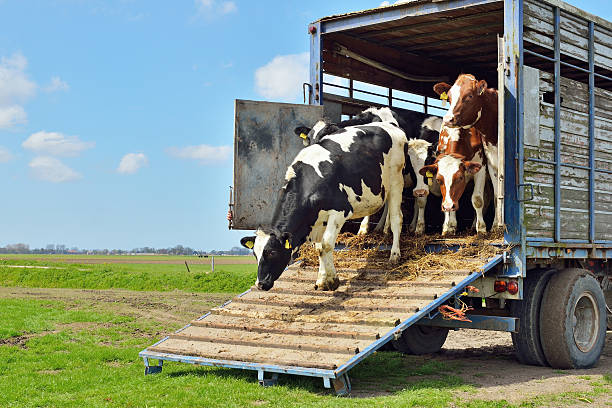
Transporting animals in Nigeria requires more planning than moving ordinary cargo. Livestock such as cattle, sheep, goats, pigs and poultry need suitable vehicles, proper loading procedures, adequate space and veterinary documentation, particularly when animals are moved between states or along established livestock routes.
For farmers, livestock traders, breeders and businesses buying animals from another part of the country, arranging the journey properly can reduce losses, delays and unnecessary stress on the animals.
What to Know Before You Transport Animals in Nigeria
Before moving livestock, confirm the type and number of animals, their origin and destination, the condition of the animals and the transportation route.
Nigeria’s Animal Diseases (Control) framework provides for veterinary inspection and movement permits for trade animals. The movement permit is specific to the journey and may identify the route and veterinary control posts the animals must pass through.
This means livestock transport should not be treated like an ordinary road-delivery service.
Veterinary Movement Permits
One of the important requirements for transporting trade animals is the veterinary movement or loading permit. The relevant law provides that trade animals should not be loaded for transportation from one area to another without the required movement permit issued by an authorised officer.
Veterinary officials can also inspect animals at designated control posts. The purpose includes monitoring animal diseases and preventing the spread of contagious diseases along livestock movement routes.
Before arranging a long-distance journey, it is therefore important to confirm the documentation required for the particular animals and route.
Choosing a Suitable Animal Transport Vehicle
The vehicle should be appropriate for the species, number and size of animals being transported.
For livestock such as cattle, sheep and goats, the vehicle should provide sufficient space and ventilation while allowing animals to be loaded and unloaded safely. Loading and unloading ramps are particularly important because poor handling can result in bruises, fractures and other injuries.
The vehicle should also be checked before departure to ensure that flooring, partitions, doors and other equipment are secure.
Avoid Overcrowding
Overcrowding can increase stress, injuries and animal losses during transportation.
A recent study examining livestock transport practices in Nigerian markets reported transport-related mortality among respondents and identified overcrowding and sickness among the reported causes.
The number of animals loaded should therefore be determined according to the vehicle’s capacity and the animals being transported rather than simply trying to maximise the number carried on one trip.
Feeding, Water and Rest
Long-distance livestock transportation requires attention to the condition of the animals throughout the journey.
The Animal Diseases (Control) framework includes provisions concerning feeding, watering and resting animals during trade transportation.
For longer journeys, transport planning should therefore account for suitable stops, access to water and the condition of the animals rather than focusing only on reaching the destination as quickly as possible.
Common Animal Transport Routes
Livestock may be transported between farming communities, livestock markets, cities and processing facilities across Nigeria.
A journey could involve moving cattle from northern livestock-producing areas towards markets in southern cities, transporting goats and sheep between states or moving poultry and other farm animals to buyers.
The route should be planned with veterinary control points, road conditions, security, rest requirements and expected travel time in mind.
Transporting Animals for Business
If you are buying livestock as part of a farming or trading business, transportation should be included in your total acquisition cost.
For example, the real cost of purchasing cattle or rams is not simply the amount paid to the seller. It can also include loading, veterinary requirements, transportation, feeding or watering during the journey, unloading and potential losses.
Planning these costs before purchasing animals can make the transaction easier to budget.
International Transport of Animals
Moving live animals across Nigeria’s borders involves additional requirements.
The Nigeria Agricultural Quarantine Service handles veterinary quarantine functions for imported and exported live animals, including cattle, sheep, goats, horses, dogs and other animals. Export procedures can involve permits, inspection, laboratory testing, veterinary certification and quarantine clearance.
Businesses planning international animal movement should therefore confirm the requirements of both Nigeria and the destination country before making transportation arrangements.
How Travo.ng Can Help With Animal Logistics
Travo.ng can help businesses coordinate practical transportation and logistics requirements where appropriate, including cargo movement, transport arrangements and delivery coordination.
For livestock businesses, transportation planning needs to consider more than simply finding a vehicle. The animal type, route, documentation, loading arrangements and destination requirements all need to be considered before the journey begins.
Plan the Journey Before Loading
Transporting animals in Nigeria requires proper preparation. Confirm the veterinary requirements, choose a suitable vehicle, avoid overcrowding, prepare loading and unloading arrangements and plan the route before the animals are loaded.
For long-distance livestock movement, good planning can help reduce unnecessary stress, injuries, delays and financial losses while ensuring the animals arrive at their destination in suitable condition.
