


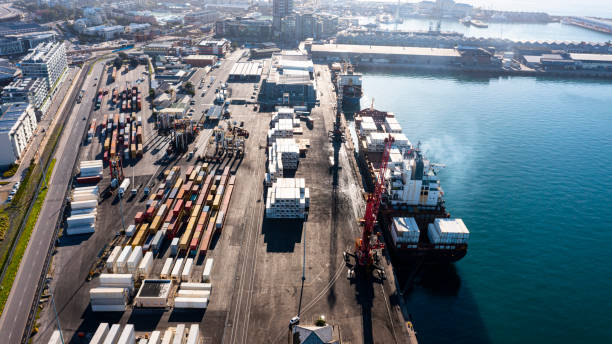
Supply chain technology Africa is becoming increasingly important as businesses look for better ways to manage procurement, inventory, transportation, warehousing and deliveries across different markets. From Nigerian importers moving containers through Lagos to manufacturers distributing products across West Africa, technology can help connect activities that were previously managed through separate systems.
African supply chains can involve multiple suppliers, transporters, warehouses, ports, customs processes and final customers. When information is scattered across phone calls, spreadsheets and messaging apps, it becomes harder to know where goods are, what has been ordered and when deliveries are expected. Digital supply chain systems are designed to bring these activities into a more coordinated process.
What Supply Chain Technology Means in Africa
Supply chain technology covers the digital tools businesses use to plan, monitor and coordinate the movement of goods and information.
These tools can include:
- Shipment and cargo tracking systems
- Inventory management software
- Digital procurement platforms
- Transport management systems
- Warehouse management systems
- Electronic documentation
- Data analytics and reporting
- Mobile logistics applications
- Automated notifications and alerts
- Artificial intelligence and machine learning tools
The goal is not simply to introduce technology. Businesses need systems that solve specific operational problems and make it easier to make decisions based on reliable information.
Supply Chain Visibility for African Businesses
Visibility is one of the major reasons companies invest in supply chain technology.
An importer in Lagos, for example, may need to monitor an order from an overseas supplier, its movement to the port, customs processing, release, transportation and eventual delivery to a warehouse in Lagos, Abuja or another Nigerian city.
A digital system can help bring these stages together so the business has a clearer view of the shipment. This can make it easier to identify delays, communicate with customers and plan the next stage of transportation.
Across Africa, digitalization is also being discussed as a way to improve the visibility and coordination of intra-African supply chains.
Technology for Procurement and Import Management
Procurement is another area where supply chain technology can make a difference.
Businesses sourcing goods from China, Dubai, Turkey, the United Kingdom or other markets may have to manage supplier information, purchase orders, freight arrangements, documentation and delivery schedules.
A digital procurement or import management system can help organize these activities in one workflow. Instead of relying entirely on scattered records, businesses can maintain information about suppliers, orders and shipments in a more structured way.
For Nigerian importers, this can be particularly useful when several shipments are being handled at the same time.
Digital Freight and Transportation Management
Road transportation remains an important part of African supply chains. Goods arriving at ports or airports still need to move to warehouses, shops, factories and customers.
Supply chain technology can support this process through digital freight booking, driver coordination, shipment tracking, delivery scheduling and electronic proof of delivery.
For example, a business moving goods from Lagos to Abuja may need to coordinate a vehicle, loading time, destination warehouse and delivery confirmation. Having these details digitally organized can reduce communication gaps and make the movement easier to monitor.
Technology-enabled logistics is already playing a growing role in African transportation, including through tracking and mobile-based solutions.
Inventory and Warehouse Technology
Poor inventory visibility can create unnecessary costs. A business may have products sitting in one warehouse while another location experiences shortages.
Inventory management technology helps businesses monitor stock levels, incoming shipments, outgoing orders and warehouse movements.
For growing Nigerian businesses, this can become important when operations expand beyond one location. A company supplying customers in Lagos, Ibadan, Abuja and Port Harcourt may need better coordination than a simple manual stockbook can provide.
Artificial Intelligence and Data in Supply Chains
Artificial intelligence and data analytics are also becoming part of modern supply chain technology.
Businesses can use historical information to identify purchasing patterns, monitor inventory movements, analyse delivery performance and identify potential operational problems.
Other technologies such as Internet of Things devices, cloud systems, automation and blockchain are also being explored for supply chain and logistics applications in Africa.
However, technology does not automatically solve supply chain problems. Infrastructure, digital skills, funding, regulations and connectivity can all affect how successfully businesses adopt these systems.
Supply Chain Technology for SMEs
Small and medium-sized businesses can benefit from technology without necessarily adopting complicated enterprise systems.
A growing importer may begin with digital inventory management, electronic documentation, shipment tracking and organized supplier records. As the business grows, additional tools can be introduced for procurement, transportation and customer delivery.
This gradual approach can make technology adoption more practical, especially for businesses that cannot afford large-scale digital transformation immediately.
Cross-Border Supply Chain Technology
African businesses increasingly need to move goods between different countries. This makes coordination even more important because cross-border shipments can involve multiple transport operators, border procedures, documentation requirements and delivery stages.
Digital supply chain platforms can help businesses organize information across these stages and improve communication between suppliers, logistics providers and customers.
Better digital coordination can support businesses participating in regional trade, although technology still needs to work alongside reliable infrastructure and efficient trade procedures.
How Travo.ng Can Help With Supply Chain Logistics
Travo.ng can support businesses that need practical logistics coordination for cargo movement, transportation and delivery.
For an importer, this can involve arranging the movement of goods from a port or other entry point to the required destination. Businesses can also use logistics support when coordinating domestic transportation, cargo deliveries and other supply chain activities.
The value is in connecting the different stages of movement so businesses can spend less time dealing with disconnected logistics arrangements and more time managing their operations.
Building a More Connected African Supply Chain
Supply chain technology Africa is moving beyond simple digital record keeping. Businesses are increasingly looking at technology for shipment visibility, procurement, inventory control, freight coordination, analytics and cross-border trade.
For Nigerian and other African businesses, the most useful technology will be technology that addresses real operational problems. A system that provides accurate shipment information, organizes documentation or improves transport coordination can have more practical value than adopting technology simply because it is new.
As African trade and logistics networks become more interconnected, digital tools can provide businesses with better information and more coordinated ways to manage the movement of goods.
