


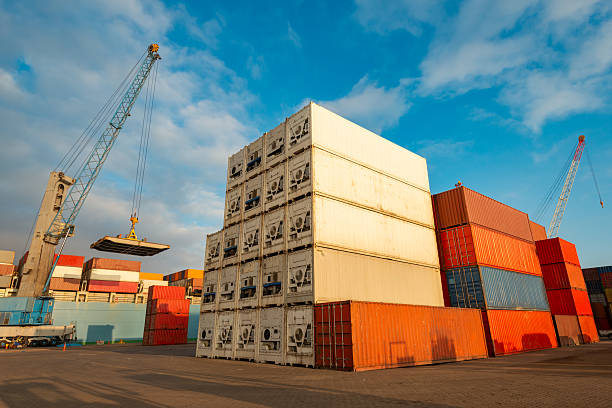
Trade activity across Nigeria, Africa and global markets is being shaped by stronger cargo volumes, changing customs cooperation, expanding Nigeria-China trade and continuing risks around major international shipping routes.
For Nigerian importers, exporters, logistics operators and businesses involved in international trade, these developments can affect shipping costs, delivery times, sourcing decisions and access to overseas markets.
Nigeria and UK Customs Move Toward Trade Facilitation Agreement
Nigeria and the United Kingdom are working toward a new Customs Mutual Administrative Assistance Agreement designed to improve information sharing, customs compliance and trade facilitation.
Negotiations between the Nigeria Customs Service and the UK’s HM Revenue and Customs have reportedly reached an advanced stage, with officials targeting a signing in December 2026. The agreement is expected to strengthen cooperation between the two customs administrations. (Ships & Ports)
For Nigerian importers and exporters, closer customs cooperation could make accurate documentation and compliance increasingly important when handling UK-related shipments.
Nigeria-China Trade Reaches $18 Billion
Nigeria-China trade reached about $18 billion during the first half of 2026, according to remarks by China’s ambassador to Nigeria.
The reported figure represents a 35% increase from the previous year, while Chinese imports from Nigeria reportedly increased by 81%. China has also introduced zero-tariff treatment for products from 53 African countries, creating additional opportunities for African exporters selling into the Chinese market. (The Guardian Nigeria)
The development is particularly relevant to Nigerian businesses sourcing electronics, machinery, clothing, building materials and other products from China, as well as Nigerian producers looking for Chinese buyers.
Nigerian Ports Record Higher Cargo Volumes
Nigeria’s port activity has also recorded growth. The Nigerian Ports Authority reported that cargo throughput reached 68.2 million metric tonnes in the first half of 2026, up 12.2% compared with the same period in 2025.
Container traffic increased by 10.3% to 815,236 TEUs, while transshipment increased substantially during the period. Lekki and Onne ports were among the major contributors to overall activity. (APAnews – Agence de Presse Africaine)
For importers, higher cargo volumes mean continued demand for efficient port handling, customs clearance, transportation and warehouse capacity.
Customs Tightens Enforcement on Prohibited Imports
Nigeria Customs Service has continued enforcement against prohibited and improperly declared imports. In September, Customs reported seizures involving 56 containers with a combined duty-paid value of about ₦5.53 billion.
The seizures included vegetable oil, used clothing and tomato paste. Customs also suspended further container transfers to the Tinapa Free Trade Zone pending an audit, citing concerns about alleged abuse of concessions and import restrictions. (Businessday NG)
For businesses importing into Nigeria, checking product restrictions, documentation, customs classification and applicable requirements before shipping can help reduce compliance problems.
Red Sea Security Remains a Global Trade Concern
Security developments around the Red Sea and Gulf of Aden continue to present risks for international shipping.
A report published today says US officials have raised concerns about growing cooperation between Yemen’s Houthi movement and Somalia’s al-Shabaab, warning that developments could create additional risks around the Bab al-Mandeb Strait, a major maritime trade corridor. (Financial Times)
Businesses moving cargo between Asia, the Middle East, Africa and Europe therefore need to monitor route conditions and potential effects on freight schedules and costs.
Oil Prices Add Pressure to Global Trade Costs
Oil prices rose for a second consecutive session on September 29, with Brent crude reported at $106.77 per barrel and West Texas Intermediate at $93.94.
Reuters attributed the movement to continuing concerns about Middle Eastern supply disruptions and the Strait of Hormuz. Higher energy costs can feed into transportation, freight and operating expenses across international supply chains. (Reuters)
What Today’s Trade News Means for Nigerian Businesses
The latest developments show why importers and exporters need to monitor more than product prices.
Businesses should pay attention to:
- Customs and import regulations
- International freight rates
- Port activity and congestion
- Currency movements
- Supplier markets
- Shipping route disruptions
- Product restrictions
- Trade agreements and market-access changes
A change in any of these areas can affect the final cost and delivery time of a shipment.
How Travo.ng Can Help With Trade Logistics
Travo.ng can support businesses that need practical logistics coordination for importing, exporting and moving goods.
Depending on the shipment, businesses can arrange relevant cargo logistics, delivery, transportation coordination and other logistics services to help move goods from one stage of the supply chain to another.
For importers dealing with changing freight conditions or higher cargo volumes, having a clear transportation and delivery plan can make it easier to manage the movement of goods after arrival.
What Importers Should Watch Next
Trade news can change quickly, particularly when it involves customs regulations, international shipping routes, fuel prices and diplomatic agreements.
Nigerian businesses involved in international trade should therefore verify current customs requirements, monitor shipping conditions and calculate their total logistics costs before committing to major shipments.
Keeping up with trade developments is not just about following headlines. It can help importers, exporters and logistics businesses make better-informed decisions about sourcing, transportation, delivery and market expansion.
