


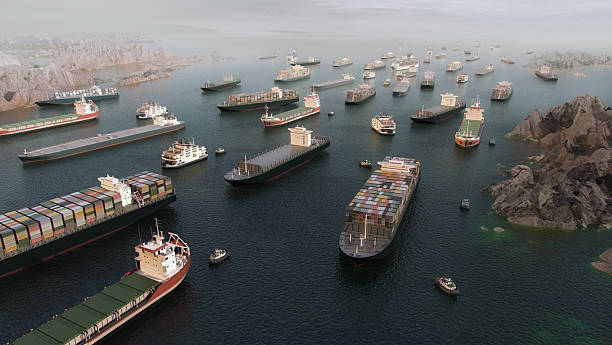
Port efficiency in Nigeria has a direct effect on the cost, speed and reliability of international trade. For importers and exporters, an efficient port is not simply a place where ships load and unload cargo. It needs to connect vessel operations, terminals, customs, documentation, cargo handling, roads, warehouses and inland transportation into one coordinated process.
The Nigerian Ports Authority (NPA) identifies efficient maritime trade as part of its mandate and has been developing digital systems and operational processes to improve coordination across the port community. (Nigerian Ports Authority)
What Determines Port Efficiency in Nigeria?
Several activities influence how quickly cargo moves through Nigerian ports.
Vessel turnaround time: Ships need to enter, berth, load or discharge cargo and leave without unnecessary delays. Better scheduling and coordination between port authorities, terminals and shipping agents can reduce waiting time.
Cargo handling: Cranes, trucks, storage areas and terminal equipment must be available and properly managed. Equipment problems can slow down the movement of containers and increase costs.
Customs clearance: Import documentation, classification, valuation, inspection and payment processes can affect how quickly cargo is released.
Port documentation: Missing or inconsistent documents can create delays even when the physical cargo is ready to leave.
Road access: Port efficiency does not end at the terminal gate. Congestion around port corridors can delay trucks and increase the cost of moving containers to warehouses and customers.
Digitalisation and Port Operations
Digital systems are increasingly important to Nigerian port efficiency. The NPA operates electronic platforms for areas such as vessel entry, shipping information and data exchange. Its current data-exchange platform describes real-time tracking, data integration and more transparent processes as part of efforts to improve port operations. (Nigerian Ports Authority)
Digital documentation can reduce repetitive paperwork and allow different stakeholders to access information more efficiently.
For importers, this can make shipment preparation easier when documents are submitted correctly and early.
Reducing Cargo Dwell Time
Cargo dwell time refers to the period cargo remains in the port or terminal after it has been discharged before it physically leaves the facility.
Reducing unnecessary dwell time is important because delays can result in storage charges, demurrage, additional handling costs and disruption to inventory planning.
NPA has previously identified dwell-time reduction, online document submission and improved coordination among government agencies and terminal operators as areas connected to port efficiency. (Nigerian Ports Authority)
An importer can therefore improve the chances of quick cargo release by preparing documentation before the vessel arrives rather than waiting until the shipment is already at the port.
Customs and Port Efficiency
Customs clearance is closely connected to port performance.
When documentation is incomplete or cargo requires additional clarification, the shipment may spend longer in the clearance process. Importers should ensure that commercial invoices, packing lists, bills of lading and other applicable documents are accurate and consistent.
Clear product descriptions and correct classification can also reduce unnecessary questions during the clearance process.
Better cooperation between the NPA and Nigeria Customs Service has been identified as an important part of efforts to improve cargo clearance and port competitiveness. (Nigerian Ports Authority)
The Importance of Port Equipment
Port equipment has a direct effect on how quickly cargo can be handled.
Terminals need suitable cranes, trucks, storage facilities and other equipment to handle different types of cargo. Maintenance is equally important because equipment downtime can affect vessel turnaround and cargo evacuation.
NPA’s published operational material has identified equipment upgrades and improved terminal and quayside capability as areas that can contribute to higher productivity. (Nigerian Ports Authority)
Road Connectivity and Cargo Evacuation
A container that has been cleared but cannot leave the port efficiently is still part of a logistics problem.
Road congestion, truck availability, traffic management and poor coordination between terminals and transport operators can affect cargo evacuation.
This is why importers should plan transportation before cargo becomes available for collection. A suitable truck, driver and delivery route should already be arranged where possible.
The objective is to move cargo from the vessel to the terminal, from the terminal to the truck and from the truck to the final destination with as little unnecessary waiting as possible.
How Importers Can Improve Port Efficiency
Businesses cannot control every part of port operations, but they can improve the parts of the process within their control.
Before a shipment arrives, an importer should:
- Confirm all shipping documents
- Verify cargo descriptions and quantities
- Work with the appropriate customs and logistics professionals
- Understand applicable duties and charges
- Monitor vessel arrival information
- Prepare clearance documentation early
- Arrange transportation in advance
- Know the destination warehouse
- Monitor storage and demurrage deadlines
- Keep communication open with shipping and clearing agents
These steps can reduce avoidable delays even when wider port conditions change.
How Travo.ng Can Help With Port Logistics
Travo.ng can support businesses with the transportation and logistics coordination that comes after cargo movement begins.
For an importer, this can include coordinating cargo transportation, arranging delivery from port areas to warehouses or other destinations and helping businesses plan movement around their shipment requirements.
For businesses moving goods within Nigeria, proper coordination between cargo availability, truck arrangements and final delivery can help prevent unnecessary waiting and disruption.
The Future of Port Efficiency in Nigeria
Improving Nigerian port efficiency requires more than faster ships or larger terminals. The entire cargo journey needs to work together, from vessel arrival and documentation to customs clearance, terminal handling, truck evacuation and final delivery.
Digital systems, better equipment, coordinated government agencies, efficient terminals and stronger inland connections can all contribute to a smoother logistics process.
For Nigerian importers and exporters, port efficiency ultimately matters because every unnecessary delay can affect delivery schedules, inventory availability and the final cost of doing business.
