


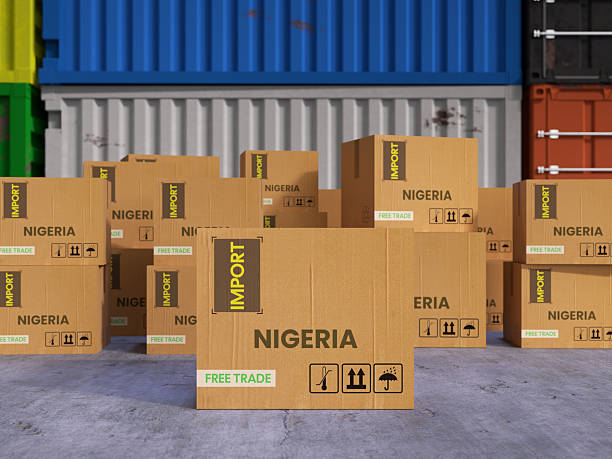
West Africa offers growing opportunities for businesses involved in agriculture, manufacturing, consumer goods, logistics, technology, services and cross-border commerce. For Nigerian businesses in particular, neighbouring markets can provide opportunities to sell locally produced goods, source products regionally and build distribution networks beyond the domestic market.
Regional integration is also becoming more practical. In 2026, ECOWAS and AfCFTA programmes have placed greater emphasis on helping businesses become export-ready, access finance, understand rules of origin and overcome non-tariff barriers. (ECOWAS)
Agricultural and Food Trade
Agriculture remains one of the most important areas of West African trade. Businesses can trade products such as processed foods, grains, cassava products, cocoa, shea products, spices, livestock-related products and other agricultural commodities.
The opportunity is not limited to exporting raw agricultural products. Processing, packaging and branding can create additional value before products reach regional markets.
For Nigerian businesses, this could mean producing packaged food products in Nigeria and distributing them to markets such as Ghana, Côte d’Ivoire, Senegal or other West African destinations, subject to applicable trade and product requirements.
Manufacturing and Consumer Products
West Africa has a large consumer market for everyday products, creating opportunities for manufacturers and distributors.
Potential areas include:
- Household products
- Building materials
- Packaging materials
- Furniture
- Clothing and textiles
- Personal-care products
- Processed foods
- Plastics
- Agricultural equipment
- Automotive components
Businesses should research the target market before exporting rather than assuming that demand and pricing are the same across countries.
Cross-Border Sourcing
Trade opportunities also exist on the buying side.
A Nigerian company can source products, raw materials or services from businesses in Ghana, Côte d’Ivoire, Senegal, Togo and other markets. Regional sourcing can sometimes provide shorter delivery routes or easier communication compared with sourcing exclusively from outside Africa.
The key is to compare supplier prices, quality, transport costs, payment terms, taxes and regulatory requirements before making a purchasing decision.
Digital and Professional Services
West African trade is not limited to physical goods.
Businesses can sell services across borders in areas such as software development, digital marketing, consulting, accounting, education, creative services, business support and technology.
AfCFTA implementation discussions increasingly include digital trade and services, while ECOWAS programmes are also working on trade in services and regional business capacity. (ECOWAS)
For Nigerian service providers, this creates opportunities to serve companies in other West African countries without physically shipping products.
Logistics and Distribution Opportunities
As regional trade expands, businesses need reliable ways to move products between countries.
This creates opportunities in:
- Road freight
- Warehousing
- Freight forwarding
- Cargo consolidation
- Last-mile delivery
- Customs support
- Inventory management
- E-commerce fulfilment
- Cold-chain logistics
- Business relocation and transport
For example, a company selling products from Lagos to Accra needs more than a buyer. It needs appropriate packaging, transportation, documentation, border planning and final delivery.
Understanding ECOWAS and AfCFTA Rules
Businesses entering regional markets need to understand the rules that apply to their products.
Rules of origin are particularly important because preferential trade treatment depends on whether goods meet the relevant origin requirements. Other considerations can include product standards, certificates, customs procedures, labelling and restrictions.
ECOWAS and AfCFTA programmes in 2026 have specifically highlighted certification, rules of origin, standards, trade facilitation and non-tariff barriers as areas businesses need to understand. (ECOWAS)
Nigeria’s Position in Regional Trade
Nigeria provides a large domestic market from which businesses can build regional operations. The country’s trade infrastructure and export initiatives are also evolving, including efforts to improve digital trade processes.
Nigeria’s government has been promoting access to ECOWAS and AfCFTA opportunities, including the ECOWAS Trade Liberalisation Scheme (ETLS). (The Guardian Nigeria)
For an SME, the practical approach is to start with one product and one target market, validate demand, calculate the complete delivered cost and then expand gradually.
Challenges to Consider
West African trade still involves practical challenges.
These can include border delays, transportation costs, currency differences, documentation requirements, product standards, payment risks and non-tariff barriers. ECOWAS continues to work on customs cooperation, digital trade tools, border management and mechanisms for reporting trade barriers. (LinkedIn)
Businesses should therefore calculate the complete cost of getting a product from the supplier to the final customer instead of looking only at the factory or purchase price.
How Travo.ng Can Help With West Africa Trade
Travo.ng can support businesses with the logistics side of regional commerce, including cargo movement, delivery coordination, transportation planning and related travel or logistics arrangements.
For a Nigerian business selling products to another West African market, logistics planning can cover the movement of goods from the supplier or warehouse to the required destination.
Businesses can also coordinate transportation around delivery deadlines, cargo type, destination and the practical requirements of cross-border movement.
How to Identify a West Africa Trade Opportunity
A practical starting point is to choose a product that already has proven demand rather than simply looking for the biggest market.
Research the target country’s customers, competitors, prices and regulations. Identify potential buyers or distributors and verify them before agreeing to significant transactions.
Then calculate:
Product cost + packaging + transport + customs and applicable charges + insurance + handling + delivery = true landed cost.
Once the numbers are clear, you can determine whether the proposed selling price leaves enough room for a sustainable business.
West Africa’s growing regional integration creates opportunities across physical goods, agriculture, manufacturing, services and logistics. Businesses that combine market research with proper compliance and reliable logistics can build a more structured approach to regional trade.
