


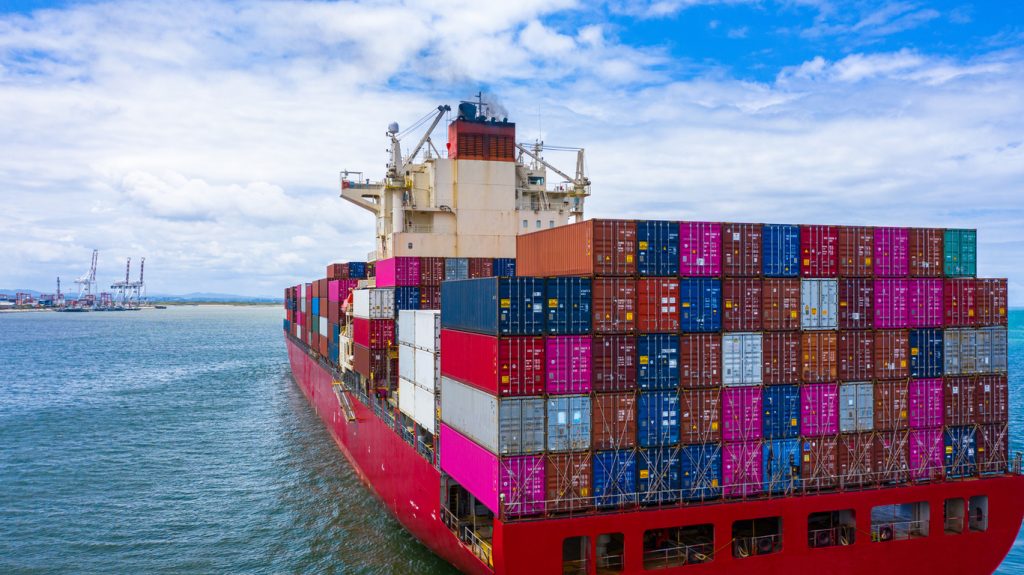
Sea freight is one of the most important methods of moving large quantities of goods into and out of Nigeria. It is commonly used by importers bringing containers from China, the United States, the United Kingdom, Turkey, India, the United Arab Emirates and other international markets.
For businesses moving machinery, furniture, building materials, vehicles, electronics, spare parts, raw materials and other bulky goods, shipping by sea can be more practical than air freight because large volumes can be transported in containers.
Nigeria’s seaports also connect international shipping routes with inland markets, making port-to-warehouse planning an important part of the import process.
How Sea Freight Works in Nigeria
A typical sea freight shipment involves several stages.
The importer first purchases or prepares the goods and arranges transportation from the supplier to the departure port. The cargo is then loaded into a container or consolidated with other shipments, depending on the arrangement.
After the vessel reaches Nigeria, the cargo goes through port and terminal processes before customs clearance and release. The goods can then be transported from the port to the importer’s warehouse, shop or another destination.
The Nigerian Ports Authority provides shipping and port information, including vessel schedules, port procedures and documentation requirements. (Nigerian Ports Authority)
Full Container Load vs Shared Container
Importers generally have two broad options.
Full Container Load (FCL) means the importer uses an entire container for the shipment. This can make sense when the volume of goods is large enough to justify a full container.
Less than Container Load (LCL) allows smaller shipments to share container space with goods belonging to other customers. It can be useful when an importer does not have enough cargo to fill a complete container.
The choice depends on cargo volume, budget, handling requirements and delivery plans.
How Much Does Sea Freight Cost in Nigeria?
There is no single sea freight price for every shipment. The total cost depends on factors such as:
- Country and port of origin
- Destination port
- Container size
- Cargo type and weight
- Shipping line
- Freight rate
- Port and terminal charges
- Customs duties and taxes
- Clearing charges
- Storage and demurrage
- Local transportation after clearance
This is why an importer should look beyond the initial shipping quote. A low freight rate can still result in a higher overall cost if other charges are not considered.
Nigerian Ports and Cargo Movement
Lagos is a major centre for Nigeria’s maritime trade, while ports and terminals in other parts of the country also support different categories of cargo and regional supply chains.
Sea freight does not end when a container is discharged from a vessel. The importer still needs to coordinate clearance, cargo release and transportation to the final destination.
The Nigerian Ports Authority’s procedures cover vessel arrival, berthing, documentation and other port operations, while shipping schedules and operational requirements can affect cargo planning. (Nigerian Ports Authority)
Sea Freight From China to Nigeria
China is a major sourcing market for Nigerian importers, making China-to-Nigeria sea freight particularly important for businesses.
Importers should confirm the supplier’s location, cargo volume, shipping terms, expected transit arrangements and destination port before making payment or booking transportation.
For larger orders, sea freight can be incorporated into the purchasing plan from the beginning rather than treated as a separate step after the goods have been manufactured.
Common Sea Freight Mistakes
One mistake is choosing a shipping option based only on the advertised freight rate.
Importers can also experience problems when commercial invoices, packing lists or other documentation contain inaccurate information. Delays may also occur when cargo clearance and delivery arrangements are left until the vessel has already arrived.
Another issue is failing to plan for port-related charges and storage. The longer cargo remains within a terminal or controlled facility, the greater the potential cost exposure.
Proper documentation and early coordination can therefore make a significant difference to the overall shipment.
Sea Freight vs Air Freight
Sea freight is generally suited to larger and less time-sensitive shipments, while air freight is more appropriate when speed is the main priority.
For example, a company importing several tonnes of equipment may consider sea freight, while a business that urgently needs a small quantity of high-value spare parts may prefer air cargo.
The right option depends on the cargo, urgency, budget and final delivery requirements.
How Travo.ng Can Help With Sea Freight in Nigeria
Travo.ng can help businesses coordinate cargo logistics around sea freight shipments, including transportation planning and delivery arrangements after cargo reaches Nigeria.
For an importer receiving a container at a Nigerian port, the logistics process may continue from the port to a warehouse, shop, factory or customer location. Coordinating this movement in advance can reduce unnecessary delays between cargo release and final delivery.
Businesses handling regular imports can also benefit from having their shipping and onward transportation requirements planned together rather than treating port arrival as the end of the logistics process.
Planning a Sea Freight Shipment
Before booking sea freight, confirm the cargo details, supplier information, container requirements, shipping terms, expected charges, documentation and final delivery address.
It is also important to allow room for changes in vessel schedules, port procedures and clearance timelines. The Nigerian Ports Authority advises that shipping documentation and port-entry procedures must be handled within applicable timelines, and electronic submission is supported where applicable. (Nigerian Ports Authority)
For Nigerian importers, good sea freight planning means looking at the entire journey from supplier to port, customs clearance and finally to the warehouse or customer. This gives a clearer picture of the actual logistics cost and helps prevent avoidable delays.
