


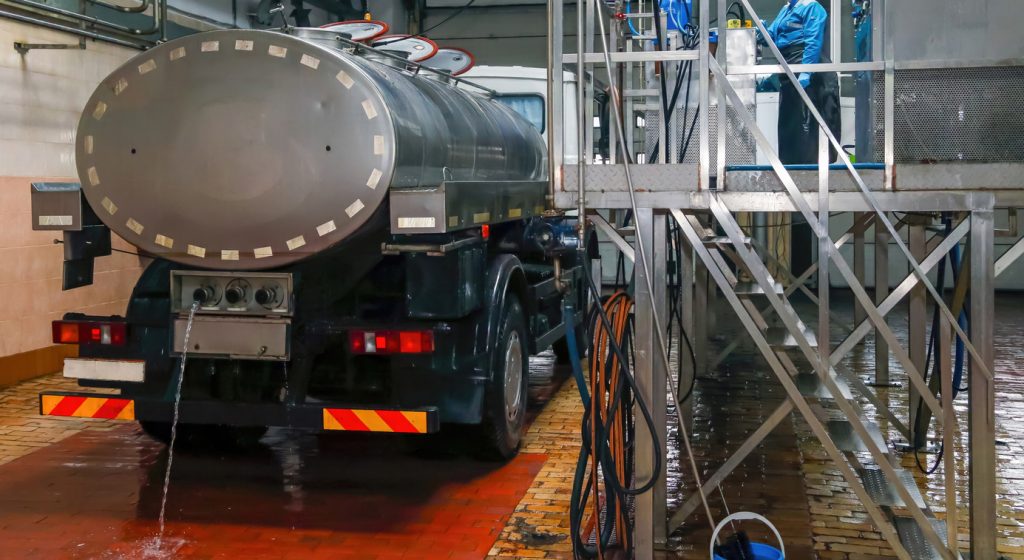
Managing fuel movement in Nigeria is not the same as moving regular parcels. A missed delivery can stop generators, delay fleet operations, affect construction work, or disrupt a business that depends on diesel supply every day. That is why many companies now search for fuel logistics management software in Nigeria to bring better control into fuel ordering, dispatch, tracking, and delivery coordination.
For businesses operating in Lagos, Abuja, Port Harcourt, Kano, Ibadan, and industrial areas like Agbara or Lekki Free Zone, fuel logistics is not just about buying diesel or petrol. It is about knowing when the fuel is needed, where it is going, who is transporting it, what volume is being delivered, and whether the delivery reached the right location on time.
What fuel logistics really looks like in Nigeria
In many Nigerian businesses, fuel supply is still handled through phone calls, WhatsApp messages, manual records, and paper invoices. This may work for one small generator, but it quickly becomes stressful when a company manages multiple sites, trucks, warehouses, hotels, estates, or branches.
Common problems include:
- Delayed diesel delivery during traffic or bad weather
- Poor communication between suppliers, drivers, and customers
- Wrong delivery addresses or incomplete site details
- No clear record of litres ordered versus litres delivered
- Difficulty tracking fuel expenses across locations
- Emergency orders that cost more than planned
For example, a business in Victoria Island may need diesel before evening peak traffic, while another site in Ikeja may require delivery before office hours. Without proper coordination, one delay can affect both locations.
How fuel logistics management software helps
Fuel logistics management software helps businesses organise fuel requests, dispatch schedules, delivery updates, and reporting in one place. Instead of depending only on scattered calls, teams can track what was ordered, when it should move, and who is responsible for delivery.
For companies with regular fuel needs, this makes daily operations easier. A hotel in Abuja can plan generator fuel supply before weekend demand increases. A logistics company in Lagos can monitor fuel use across its delivery vehicles. A construction company working between Ogun and Lagos can coordinate site supply without waiting until tanks are almost empty.
Good software should help with:
- Fuel order scheduling
- Delivery tracking
- Driver and vehicle coordination
- Customer location management
- Proof of delivery
- Cost monitoring
- Supplier communication
- Reports for finance and operations teams
Why Nigerian businesses need local logistics understanding
Software alone does not solve every fuel delivery problem. Nigerian fuel logistics also needs local operational knowledge. A delivery route from Apapa to Lekki is different from a movement from Gwagwalada to central Abuja. Traffic, road conditions, depot access, security checks, and loading delays can all affect timing.
This is where working with a locally experienced logistics partner matters. Travo.ng supports Nigerian businesses with practical logistics coordination, transport planning, courier services, cargo movement, delivery support, and business logistics solutions. For fuel-related operations, the same discipline applies: clear scheduling, reliable communication, proper movement planning, and customer-focused execution.
What to check before choosing a fuel logistics system
Before choosing fuel logistics management software in Nigeria, businesses should look beyond fancy dashboards. The real question is whether the system helps your team solve daily problems.
Ask these questions:
- Can it handle multiple delivery locations?
- Can your operations team see pending and completed deliveries?
- Does it support driver or dispatch coordination?
- Can it record delivery quantities clearly?
- Can it help reduce emergency fuel requests?
- Is it simple enough for staff to use without long training?
- Does it fit Nigerian delivery realities?
A system that works well in theory but ignores Nigerian road movement, supplier delays, or last-minute site changes may create more confusion than it solves.
Real situations where better fuel logistics matters
A school with several buses needs steady fuel planning during term time. A hospital cannot afford generator downtime. A delivery company needs to control fuel use across riders, vans, and interstate vehicles. A short-let apartment operator in Lekki may need diesel supply before guests arrive for the weekend.
In each case, proper fuel logistics management helps reduce panic buying, improve accountability, and keep operations running.
Travo.ng’s wider logistics and transport support can also help businesses that need related services such as vehicle hire, delivery coordination, cargo logistics, relocation support, airport pickups, and corporate travel bookings. This is useful for companies that want one reliable partner for movement, delivery, and travel-related operations.
A practical way to manage fuel movement better
The best approach is to combine simple technology with experienced local coordination. Businesses should maintain clear fuel records, schedule deliveries early, confirm site access details, and work with logistics teams that understand Nigerian routes and timing.
Fuel logistics management software in Nigeria is most useful when it supports real operations, not just reports. When paired with reliable logistics coordination, it helps businesses save time, reduce waste, and avoid costly delays.
For companies that need dependable movement support, Travo.ng provides practical logistics, delivery, transport, and booking services designed around how Nigerian businesses actually operate.
