


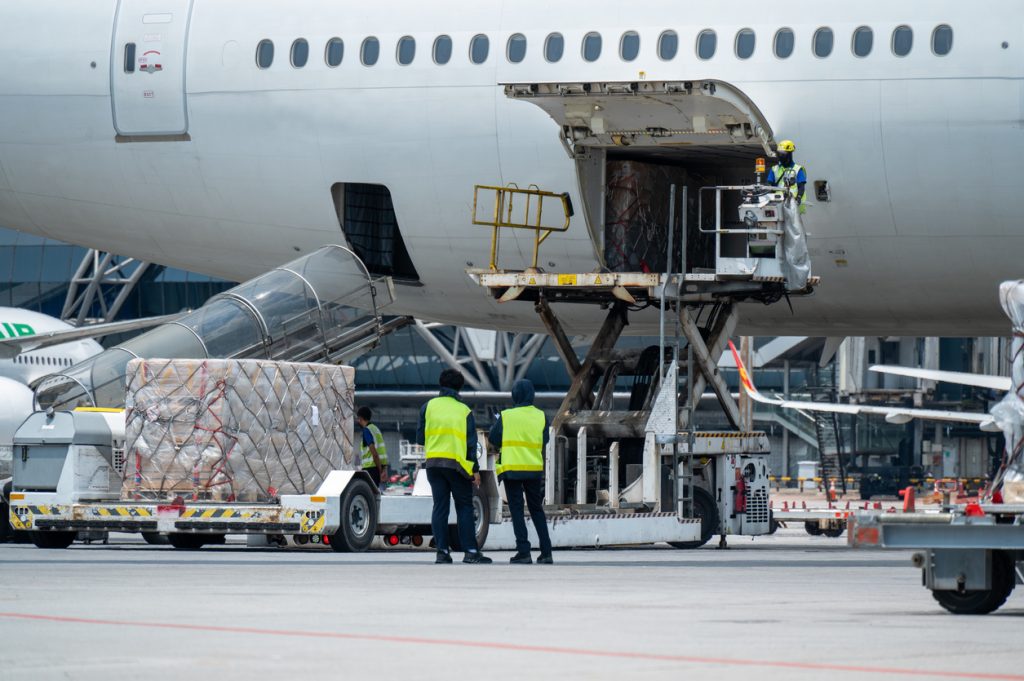
Air cargo in Nigeria is an important option for businesses and individuals who need to move goods quickly, especially when road or sea freight may take too long. It is commonly used for urgent commercial shipments, electronics, spare parts, documents, pharmaceuticals, samples, fashion products, perishables and other time-sensitive goods.
For Nigerian businesses importing from countries such as China, the United Kingdom, the United States or the United Arab Emirates, air freight can provide a faster route into the country. It can also be useful for moving goods between major Nigerian cities when delivery speed is more important than the lower cost of road transportation.
When Air Cargo Makes Sense in Nigeria
Air freight is generally more suitable when delivery time is a major concern.
A business waiting for replacement machinery parts, for example, may lose more money from production downtime than it would spend on faster transportation. Similarly, fashion retailers, technology businesses and companies handling perishable products may need their goods to arrive quickly.
Air cargo can also be useful for smaller and relatively high-value shipments where paying for faster transportation makes commercial sense.
However, air freight is usually more expensive than sea freight for large and heavy consignments. The decision should therefore consider the value of the goods, urgency, shipment size and final delivery location.
How Air Cargo Arrives in Nigeria
International air cargo commonly enters Nigeria through major international airports, with Lagos serving as a major air cargo hub. Abuja and other airports can also play a role depending on the route, airline and nature of the shipment.
After the aircraft arrives, the shipment still needs to go through cargo handling, documentation and, where applicable, customs clearance before it can be collected or delivered.
This means booking the flight is only one part of the logistics process.
Documents Needed for Air Cargo
The documentation required depends on the type of shipment, its origin, destination and whether it is an import or export.
Common documents can include the Air Waybill, commercial invoice, packing list and relevant customs or regulatory documents. Some categories of goods may also require approvals or certificates from specific government agencies.
Businesses should confirm documentation requirements before the cargo leaves the country of origin. Missing or incorrect paperwork can delay clearance and increase storage or handling costs.
Air Cargo Costs in Nigeria
The cost of air cargo depends on several factors rather than simply the physical weight of the goods.
Important cost factors include:
- Chargeable weight
- Origin and destination
- Airline and available route
- Type of goods
- Customs duties and taxes where applicable
- Airport handling charges
- Documentation and clearance costs
- Storage charges
- Local transportation from the airport
- Final delivery distance
A shipment from Dubai to Lagos, for example, may have a different total landed cost from a similar shipment coming from Guangzhou or London.
Businesses should therefore calculate the complete logistics cost before choosing air freight rather than comparing only the quoted airfreight rate.
Air Cargo vs Sea Freight in Nigeria
The main difference is usually speed versus cost.
Sea freight is generally more suitable for larger shipments where the importer can plan around longer transit times. Air cargo is more appropriate when the goods are urgent, relatively compact or valuable enough to justify faster transportation.
For a Nigerian importer, the right choice may depend on whether the priority is getting stock into the market quickly or reducing transportation costs per unit.
Common Air Cargo Mistakes
One common mistake is waiting until the cargo arrives before starting the clearance process. Another is failing to confirm whether a particular product has special import or handling requirements.
Businesses can also underestimate the cost of transporting cargo from the airport to the final destination. A shipment may arrive at Lagos airport successfully but still require coordinated delivery to a warehouse in Ikeja, Lekki, Abuja, Ibadan, Port Harcourt or another location.
Proper planning should therefore cover the entire movement from origin to final delivery.
How Travo.ng Can Help With Air Cargo in Nigeria
Travo.ng can help customers coordinate cargo logistics and onward transportation after air cargo arrives in Nigeria. This can include arranging cargo movement, delivery coordination and transport support based on the shipment’s arrival airport and final destination.
For businesses receiving regular imports, coordinating airport collection and final delivery as part of one logistics plan can make the process easier to manage.
Whether the cargo needs to move from Lagos airport to a business location within Lagos or continue to another Nigerian city, the delivery plan should be arranged around the cargo type, destination and required timeline.
Planning Air Cargo Before Shipment
Air cargo works best when the logistics process is planned before the aircraft lands.
Confirm the shipment details, documentation, expected charges, clearance requirements and final delivery address in advance. For commercial importers, it is also useful to have a clear record of the cargo value, product description, quantity and supporting documents.
With proper coordination, air cargo can give Nigerian businesses a practical way to move urgent goods quickly while keeping airport clearance and final delivery organised.
