


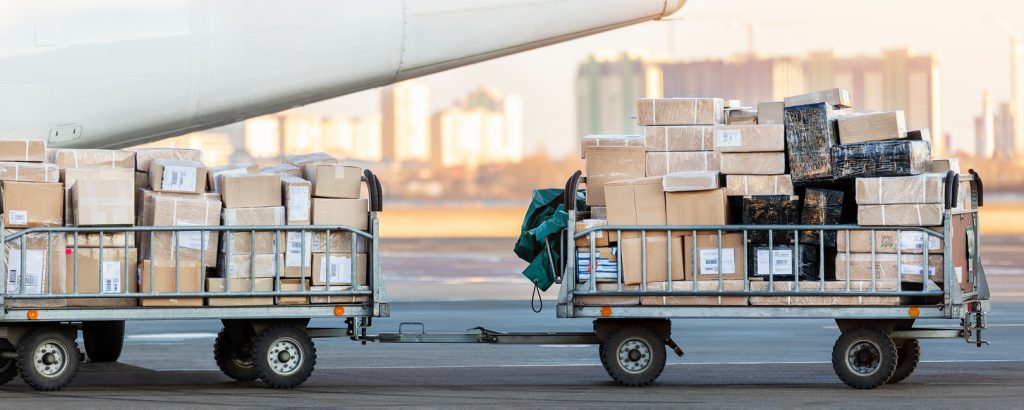
Cargo handling is a critical part of the logistics process in Nigeria. Whether goods arrive through a seaport, airport, warehouse or inland transport terminal, they need to be received, moved, stored and released properly before reaching the final customer.
For importers, exporters, manufacturers and distributors, efficient cargo handling can help reduce delays, prevent damage and keep transportation costs under control.
What does cargo handling involve in Nigeria?
Cargo handling covers the physical movement and management of goods throughout different stages of the supply chain.
Depending on the shipment, this can include:
- Loading and unloading
- Container handling
- Cargo inspection
- Weighing and documentation
- Temporary storage
- Sorting and consolidation
- Equipment handling
- Transfer between transport modes
- Loading onto delivery vehicles
The exact process depends on the type of cargo and where it is being handled.
A container of imported electronics, for example, requires different handling considerations from heavy machinery, agricultural goods or oversized equipment.
How cargo is handled at Nigerian ports
At Nigerian seaports, cargo handling begins when goods are discharged from a vessel or loaded for export.
Container terminals use specialised equipment to move containers between vessels, storage areas and trucks. Other cargo may require cranes, forklifts, pumps or specialised handling equipment.
The Nigerian Ports Authority provides procedures covering cargo handling activities and port operations, including the movement of cargo between vessels, terminals and other approved facilities. (nigerianports.gov.ng)
Proper coordination is important because delays at this stage can affect customs clearance, trucking and final delivery.
Cargo handling for imported goods
For an importer, cargo handling does not stop when the goods arrive at the port.
The shipment may need to go through documentation checks, customs processes, inspection and terminal procedures before it can be released.
Once the cargo is cleared, it needs to be collected and transported to its next destination.
This is why businesses should plan cargo handling together with customs and inland transportation rather than treating each stage separately.
What affects cargo handling costs?
Cargo handling costs vary depending on several factors.
These can include:
- Type and weight of cargo
- Cargo volume
- Container size
- Handling equipment required
- Storage duration
- Port or terminal charges
- Loading and unloading requirements
- Distance to the final destination
- Special handling requirements
Heavy, fragile, oversized or temperature-sensitive cargo may require additional equipment and specialised arrangements.
Businesses should ask for a clear breakdown of handling and related logistics charges before committing to a shipment.
Preventing cargo damage
Poor handling can result in damaged goods, especially when cargo is fragile, heavy or improperly packaged.
Businesses should ensure that goods are packed appropriately for the planned journey. Packaging should account for loading, unloading, stacking, vibration and road transportation after the cargo leaves the port.
For valuable shipments, businesses should also consider appropriate cargo insurance and maintain records of the shipment’s condition at important handover points.
Cargo handling beyond Nigerian ports
Cargo handling is not limited to seaports.
Air cargo, warehouses, distribution centres and delivery terminals also require organised loading and unloading processes.
For businesses distributing goods across Nigeria, cargo may pass through several handling points before reaching the final customer. Each additional transfer creates another opportunity for delays or damage if the process is poorly coordinated.
This makes reliable transportation and clear handover procedures particularly important.
Common cargo handling mistakes
Businesses can experience avoidable problems when cargo handling is not planned properly.
Common mistakes include providing inaccurate cargo dimensions, failing to communicate special handling requirements, arranging inappropriate transportation equipment and leaving cargo in storage longer than necessary.
Another problem is failing to coordinate cargo release with truck availability.
If a container is ready for collection but no suitable truck is available, the business may incur additional storage or other charges.
How Travo.ng Can Help With Cargo Handling
Travo.ng can help businesses coordinate the transportation and delivery stages surrounding cargo handling.
For imported goods, this can include arranging cargo logistics and transportation after the shipment has been released from the port or other entry point.
Travo.ng can also help coordinate delivery from warehouses or logistics facilities to business locations and customers across Nigeria.
For commercial shipments that involve multiple stages, having cargo movement and transportation coordinated can make the supply chain easier to manage and reduce unnecessary delays.
Travo.ng focuses on logistics coordination and delivery support rather than replacing port authorities, terminal operators, customs agencies or other specialised cargo-handling authorities.
Planning cargo handling from start to finish
Good cargo handling starts before the goods arrive.
Businesses should know the cargo type, dimensions, weight, packaging requirements and destination in advance. They should also understand the expected handling costs and arrange suitable transportation before the cargo is ready for collection.
When cargo handling, customs processing and inland transportation are planned together, businesses can create more realistic delivery timelines and reduce avoidable supply chain problems.
For Nigerian importers, exporters and distributors, proper cargo handling is an important part of getting goods from the point of arrival to the final customer safely and efficiently.
