


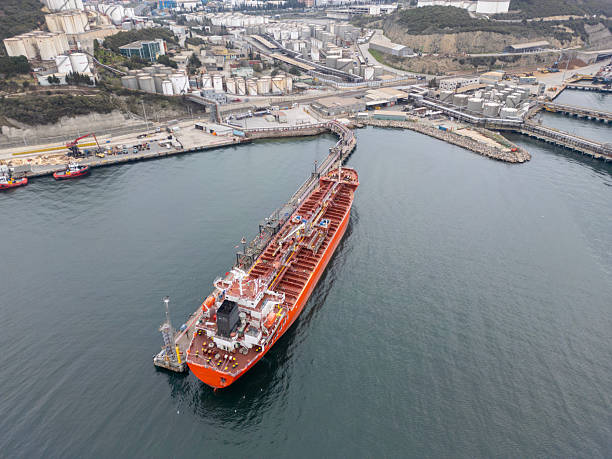
Port operations are at the centre of Nigeria’s maritime supply chain. Every container, vehicle, machine or bulk shipment arriving by sea has to pass through a series of coordinated activities before it can leave the port and continue to its final destination.
For importers and exporters, understanding port operations can make it easier to plan shipments, estimate delivery timelines and avoid unnecessary logistics costs.
What happens during port operations in Nigeria?
Port operations cover the activities involved in receiving, handling and moving vessels and cargo within a port.
A typical vessel call involves several stages, including arrival notification, documentation, pilotage, berthing, cargo discharge or loading, regulatory checks and eventual departure.
The Nigerian Ports Authority requires vessels to submit a Ship Entry Notice before arrival together with documents such as the manifest, stowage plan, IMO number and cargo details. Berthing also involves pilotage, towage and relevant regulatory clearances. (Nigerian Ports Authority)
How cargo moves through Nigerian ports
Once a vessel is alongside the berth, cargo handling can begin.
For containerised imports, containers may be discharged from the vessel and transferred into the terminal’s storage or handling area. The cargo then goes through the necessary customs and terminal procedures before release.
The process can vary depending on the type of cargo. Containers, vehicles, dry bulk, liquid bulk and specialised equipment may require different handling arrangements.
This is why businesses should provide accurate cargo information when booking shipments.
Major ports involved in Nigerian trade
Nigeria has several ports and port facilities serving different regions and cargo requirements.
Lagos is a major gateway for international containerised trade, while facilities in places such as Onne, Rivers and Calabar support other commercial and regional cargo movements. The NPA provides port-specific information on terminals, berths and operators. (Nigerian Ports Authority)
The choice of port can affect the eventual cost and delivery time of a shipment, particularly when the final customer or warehouse is located far from the port of discharge.
Why port delays affect businesses
A delay at the port can have consequences beyond the vessel itself.
If cargo takes longer to clear or leave the terminal, an importer may face additional storage, demurrage, trucking and warehouse costs. A delayed shipment can also disrupt production or leave retailers without stock.
Businesses importing goods for a specific sales period should therefore avoid planning around the vessel’s estimated arrival alone.
The actual delivery timeline also depends on cargo processing, clearance and inland transportation.
Digitalisation of Nigerian port operations
Technology is increasingly being used to improve the flow of information between stakeholders.
The Nigerian Ports Authority’s data-exchange platform is designed to connect stakeholders across the port value chain and support real-time tracking and more efficient information exchange. (Nigerian Ports Authority Data Exchange)
The NPA also provides an online daily shipping position service that gives information on vessel arrivals, berthing, shifting and departures. (Nigerian Ports Authority)
For businesses, better access to operational information can make it easier to coordinate clearing agents, trucks and warehouse arrangements.
Common port operations challenges for importers
Some of the problems businesses encounter are not caused by the ocean journey itself.
Common issues include incomplete documentation, unexpected terminal delays, congestion, limited truck availability and poor coordination between the different parties involved in cargo release.
Another common mistake is waiting until cargo has been cleared before searching for transportation.
For cargo moving from Lagos to destinations such as Abuja, Ibadan, Kano or other states, inland transportation should be considered as part of the original logistics plan.
How to prepare for smooth port operations
Before a shipment leaves the supplier, confirm the cargo description, quantity, documentation and destination.
Importers should also understand the expected port charges and ask their logistics provider about costs that could arise from delays or extended storage.
It is also useful to monitor the vessel’s expected arrival and make arrangements for clearing and transportation ahead of time.
Good preparation allows businesses to respond more quickly when the vessel arrives and cargo becomes available.
How Travo.ng Can Help With Port Logistics
Travo.ng can help businesses coordinate the logistics involved in moving cargo beyond the port.
For an importer receiving goods through a Nigerian port, this can include cargo logistics, transportation coordination and delivery arrangements from the port to a warehouse, business location or customer.
Travo.ng can also help businesses plan the inland transportation stage instead of treating port operations and final delivery as completely separate processes.
This is useful for businesses that need to move commercial cargo from Nigerian ports to different cities and locations across the country.
Planning beyond the port
Successful port operations are only one part of the supply chain.
A vessel can arrive on schedule, but the shipment can still experience delays if documentation is incomplete, cargo processing takes longer than expected or suitable transportation is unavailable.
For Nigerian importers and exporters, planning the complete movement of goods from vessel arrival to final delivery can help control costs and create more realistic delivery timelines.
Travo.ng provides cargo logistics, transportation coordination and delivery support for businesses moving goods within Nigeria, helping connect port operations with the next stage of the supply chain.
