


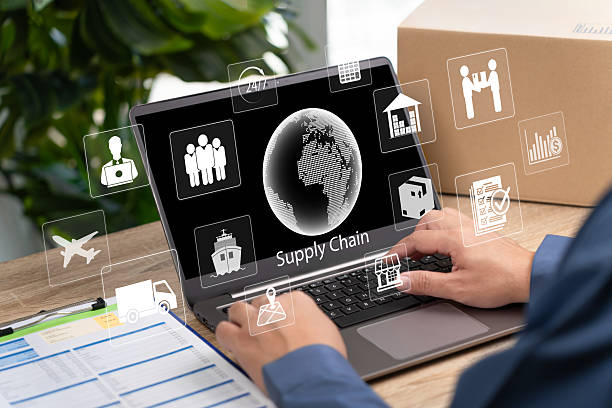
The way businesses move goods is changing. Instead of arranging every delivery through separate phone calls, drivers and middlemen, businesses can increasingly use digital logistics platforms to book transportation, receive quotations, track shipments and manage deliveries from one system.
For Nigerian businesses, this can make logistics easier to organise, especially when handling frequent deliveries, interstate cargo, e-commerce orders or larger freight.
A digital logistics platform essentially connects technology with the physical movement of goods.
What Is a Digital Logistics Platform?
A digital logistics platform is an online system or app that helps coordinate logistics activities.
Depending on the platform, users may be able to:
- Book deliveries
- Request trucks or other vehicles
- Get shipping quotations
- Track shipments
- Manage delivery addresses
- Receive delivery updates
- Store shipment records
- Manage multiple orders
- Confirm proof of delivery
- Connect logistics services with an online store
The exact features vary between platforms. Some focus on parcel delivery, while others specialise in freight, haulage, warehousing or business logistics.
Why Businesses Are Moving to Digital Logistics
Traditional logistics can involve multiple phone calls, manual records and several different service providers.
This becomes difficult when a business is handling dozens or hundreds of deliveries.
A digital platform can bring important parts of the process into one workflow:
Book → Assign → Pick up → Track → Deliver → Confirm
This can make it easier for businesses to monitor what is happening without constantly calling drivers or logistics providers.
Shipment Tracking and Visibility
One of the biggest advantages of digital logistics is shipment visibility.
Instead of simply knowing that a driver has collected a package, businesses can receive status information as the shipment progresses.
Depending on the platform, tracking may cover:
- Driver assignment
- Pickup
- Transit
- Delivery status
- Estimated arrival
- Proof of delivery
This is particularly useful for e-commerce businesses because customers increasingly expect updates about their orders.
The World Bank’s Logistics Performance Index also recognises tracking and tracing as an important component of logistics performance. (worldbank.org)
Digital Platforms Can Help Control Logistics Costs
A digital platform can also make it easier to understand what a business is spending on transportation.
Instead of keeping individual records in WhatsApp conversations, notebooks and spreadsheets, businesses can maintain shipment histories.
They can compare:
- Delivery costs
- Routes
- Vehicle types
- Shipment frequency
- Delivery times
- Failed deliveries
- Additional charges
Over time, this information can help a business identify expensive routes and recurring delivery problems.
However, technology does not automatically make a shipment cheaper. Businesses should still compare the actual service price and terms before booking.
Digital Logistics for E-Commerce
E-commerce businesses are particularly dependent on reliable delivery.
A customer may place an order online, but the transaction is not complete until the product reaches the customer.
A digital logistics platform can connect the order process with delivery operations.
For example:
Customer orders → Delivery quote → Order created → Rider assigned → Pickup → Tracking → Delivery confirmation
Travo.ng currently provides business and e-commerce delivery services, including daily pickups and bulk-order support. Its platform also offers booking and delivery-management tools for business accounts. (Travo Blog)
Digital Freight and Haulage
Digital logistics is not limited to small parcels.
Businesses moving large quantities of goods may need trucks, vans or specialised transportation.
A digital platform can help organise:
- Truck bookings
- Cargo information
- Pickup and delivery locations
- Vehicle requirements
- Pricing
- Driver allocation
- Shipment tracking
- Delivery confirmation
Travo.ng currently lists truck and haulage services for larger cargo movements, including nationwide corridors. (Travo Blog)
For businesses, the value is in having a more structured way to request and manage transportation.
Connecting Logistics to Business Systems
More advanced digital logistics platforms can connect directly with a company’s website or e-commerce system.
This means a business may be able to generate a delivery quote during checkout and automatically create a delivery order after payment.
Travo.ng currently provides a logistics API designed to allow businesses to request delivery quotes, create orders and receive shipment-status updates through webhooks. (Travo Blog)
This can be particularly useful for online retailers processing a high number of orders.
Instead of manually copying customer details from an online store into a logistics system, the two systems can communicate directly.
Digital Logistics in Africa
African logistics networks have particular challenges involving infrastructure, border procedures, transport costs and fragmented systems.
Digital platforms cannot solve every physical infrastructure problem, but they can improve coordination and visibility.
The World Bank has identified inefficient logistics, customs procedures, transport restrictions and infrastructure gaps as important factors affecting trade costs across Africa. Better digital coordination can form part of the broader effort to make supply chains more predictable. (worldbank.org)
For businesses operating across multiple cities or countries, having better shipment information can make planning easier.
How Travo.ng Works as a Digital Logistics Platform
Travo.ng brings several logistics services into one digital platform.
Its current service catalogue includes parcel delivery, dispatch riders, haulage, international shipping, warehousing, moving and relocation, business deliveries and other services. (Travo Blog)
Businesses can use the platform to arrange relevant transportation instead of managing every service through separate contacts.
For example, an importer could require international shipping, storage and subsequent delivery of orders to customers. Travo.ng’s platform currently presents these services as connected parts of its logistics ecosystem. (Travo Blog)
The platform also supports online booking and WhatsApp-based coordination, giving businesses different ways to arrange services. (Travo Blog)
What Businesses Should Look for in a Digital Logistics Platform
Not every platform offers the same capabilities.
Before choosing one, consider:
Booking
Can you request the type of delivery or transportation your business actually needs?
Tracking
Can you see the shipment’s status after booking?
Pricing
Is the quotation clear before the shipment moves?
Proof of Delivery
Can you confirm that the customer or receiving business actually received the goods?
Business Accounts
Can you manage multiple shipments rather than booking everything individually?
Integration
If you run an online store, can the logistics platform connect with your existing systems?
Customer Support
Is there a real person available when a shipment encounters a problem?
These features can matter just as much as the advertised delivery price.
Digital Records Make Logistics Easier to Analyse
Businesses should not only use digital logistics platforms to book shipments. They should also use the information generated by those shipments.
Over time, shipment data can reveal:
- Most expensive delivery routes
- Average delivery times
- Frequent delivery problems
- High-volume destinations
- Preferred vehicle types
- Monthly logistics spending
- Customer delivery patterns
This can help a business make better decisions about warehouses, delivery pricing and distribution.
Digital Logistics Does Not Replace Human Operations
Technology can organise a shipment, but physical logistics still depends on people.
Drivers have to collect the goods. Warehouses have to prepare orders. Customs procedures have to be completed where applicable. Customers have to receive deliveries.
A good digital logistics platform therefore connects technology with a reliable operational network rather than pretending that an app alone can move cargo.
The Future of Digital Logistics
Digital logistics in Africa is likely to become increasingly connected to e-commerce, payments, fleet management, warehouse systems and international trade.
Businesses will expect more than simple delivery booking. They will increasingly want one system that can handle quotations, orders, tracking, documentation, payments and delivery records.
For Nigerian businesses, the practical value is straightforward: fewer manual processes, better visibility and more organised transportation.
A digital logistics platform does not eliminate every logistics challenge, but it can give businesses better tools for managing the challenges that already exist.
