


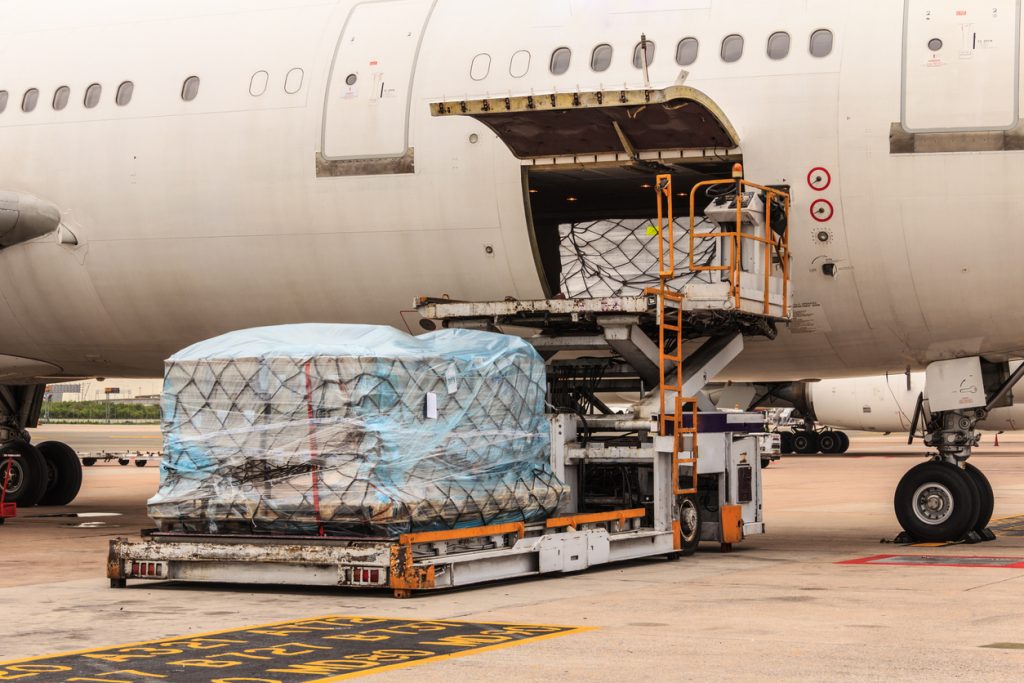
Knowing where your cargo is can be just as important as knowing when it was shipped. For Nigerian businesses moving parcels, pallets, containers or interstate freight, a cargo tracking platform can provide visibility throughout the transportation process instead of relying on phone calls and WhatsApp updates.
Modern logistics platforms in Nigeria now offer features such as live GPS tracking, shipment status updates, estimated arrival times, digital proof of delivery and automated notifications. (Trac Logistics)
What Is a Cargo Tracking Platform?
A cargo tracking platform is a digital system that allows a shipper, logistics company or customer to monitor the movement and status of goods during transportation.
Depending on the platform, tracking may show:
- Pickup confirmation
- Current shipment status
- Vehicle or driver information
- Live GPS location
- Estimated arrival time
- Route progress
- Delivery confirmation
- Proof of delivery
Some systems are designed for individual parcels, while others are built for freight, containers, fleets and larger supply chains.
How Cargo Tracking Works
Most modern tracking systems connect a shipment to a unique reference number, tracking ID, QR code or digital order.
For road freight, GPS from the driver’s phone or an installed tracking device can transmit the vehicle’s location to the platform. The shipper can then view the journey through a dashboard or tracking link.
Some Nigerian logistics platforms provide live map tracking, while others combine tracking with booking, transporter matching and digital payments. (Trac Logistics)
For smaller parcel deliveries, tracking can also work through shipment numbers and status scans. NIPOST, for example, provides an online Track and Trace service where customers can enter a tracking or reference number to check their packages. (NIPOST Tracking)
Why Businesses Need Cargo Visibility
Without tracking, a business may have to depend on the driver or logistics company for updates.
That can become difficult when several shipments are moving at the same time.
A cargo tracking platform can help businesses answer basic questions quickly:
Has the cargo been picked up?
Where is it now?
Has it reached the destination city?
When should the customer expect it?
Has delivery been completed?
This is particularly useful for businesses selling products online or distributing stock between different branches.
Tracking Is More Than a Map
A common misconception is that a cargo tracking platform is simply a map showing a moving vehicle.
A useful system should connect location information with the actual shipment record.
For example, a business should ideally be able to see:
Shipment booked → Driver assigned → Cargo picked up → In transit → Destination reached → Delivered
This gives the business a complete history rather than just a moving GPS dot.
Some logistics systems also provide digital proof of delivery, including signatures, photographs or other delivery confirmation. (Trac Logistics)
Tracking Interstate Cargo in Nigeria
Cargo tracking becomes especially useful when goods are moving between Nigerian cities.
Consider a shipment travelling from Lagos to Abuja. The sender may want to know when the cargo leaves Lagos, whether the vehicle is still on the planned route and when it is expected to arrive in Abuja.
The same applies to routes such as:
- Lagos to Ibadan
- Lagos to Benin City
- Lagos to Onitsha
- Lagos to Port Harcourt
- Abuja to Kano
- Lagos to Ilorin
- Port Harcourt to Enugu
Long-distance transportation involves more uncertainty than a short local delivery, so visibility can help businesses plan around expected arrival times.
Cargo Tracking for Port and Container Shipments
Tracking is also important for importers moving cargo through Nigerian ports.
A container may pass through several stages before reaching its final destination:
Vessel arrival → Port processing → Customs clearance → Container release → Truck pickup → Inland transportation → Warehouse delivery
A cargo tracking system can help manage the transportation stage after a container is released for movement.
For example, once a container is ready for collection at a Lagos port, the importer may need to know which truck has been assigned, when it was picked up and when it is expected at the warehouse.
Tracking does not replace customs clearance or port procedures, but it can provide visibility over the movement of the cargo between locations.
What to Look for in a Cargo Tracking Platform
If you are choosing a tracking system for your business, consider more than whether it has a map.
Live GPS Tracking
The system should provide meaningful location updates rather than occasional manual status changes.
Shipment Status
You should be able to see whether cargo is awaiting pickup, in transit, delayed or delivered.
Estimated Arrival Time
An ETA can help businesses plan warehouse operations and inform customers.
Proof of Delivery
Digital signatures, photographs, PIN confirmation or other delivery records can help establish that the cargo reached its intended recipient.
Customer Tracking Links
A shareable tracking link can allow customers to follow their own deliveries without contacting your staff repeatedly.
Alerts
Automatic notifications can inform the shipper when cargo is picked up, delayed, arriving or delivered.
Shipment History
Businesses handling many deliveries need records they can review later for accounting, customer service and dispute resolution.
How Cargo Tracking Can Reduce Delivery Problems
Tracking cannot prevent every logistics problem, but it can make problems visible earlier.
Suppose a truck expected in Abuja tomorrow has remained in the same location for several hours. A logistics manager may be able to investigate before the delay becomes a customer complaint.
Similarly, route deviations, unexpected stops or prolonged inactivity may warrant attention depending on the circumstances and the type of shipment.
Some fleet-management platforms also use GPS data to identify route deviations and unusual idle periods. (Traxx)
The objective is not simply to watch vehicles. It is to use information to respond to problems before they become more expensive.
How Travo.ng Can Help With Cargo Transportation
Travo.ng can support the wider transportation and delivery side of cargo movement, including arranging cargo transportation, delivery and vehicle-related logistics where required.
For example, an importer may have cargo arriving in Lagos and need transportation from the port to a warehouse. A retailer may need stock moved between cities, while an individual may need goods delivered from one location to another.
A cargo tracking system can provide visibility during transportation, while Travo.ng can support the practical movement of the cargo through relevant logistics and transportation arrangements.
Travo.ng is not a customs authority, port operator or replacement for a licensed customs agent. Customs clearance, duty assessment and regulatory procedures remain separate responsibilities. The focus here is on helping coordinate the transportation and delivery side of the logistics process.
Cargo Tracking Platform vs Manual Tracking
Manual tracking often looks like this:
Call driver → Send WhatsApp message → Wait for response → Ask for location → Update customer manually
A digital system can turn that into:
Book shipment → Assign transporter → Track digitally → Receive alerts → Confirm delivery
This can become particularly valuable when a business is handling dozens or hundreds of shipments.
Instead of having shipment information scattered across calls, spreadsheets and messaging apps, the company can maintain a central digital record.
Choosing a Cargo Tracking Platform for Your Business
Before choosing a platform, consider the type of cargo you move and how your logistics operation works.
A small online retailer may mainly need parcel tracking and customer notifications.
A distributor moving goods between cities may need vehicle tracking, delivery confirmation and shipment reports.
A larger logistics company may require fleet management, API integration, multiple users, automated alerts and detailed operational reporting.
The right platform should therefore match the complexity of your operation rather than simply having the longest list of features.
The Future of Cargo Tracking in Nigeria
Cargo tracking is moving toward broader logistics visibility. Platforms are increasingly combining booking, transporter management, GPS tracking, digital payments, proof of delivery and reporting in the same workflow. (Hauliss Technologies)
For Nigerian businesses, the practical benefit is straightforward: better information about where goods are, what stage they have reached and when they are likely to arrive.
As logistics becomes more digital, cargo tracking will increasingly be part of the normal process of moving goods rather than an extra service businesses use only when something goes wrong.
