


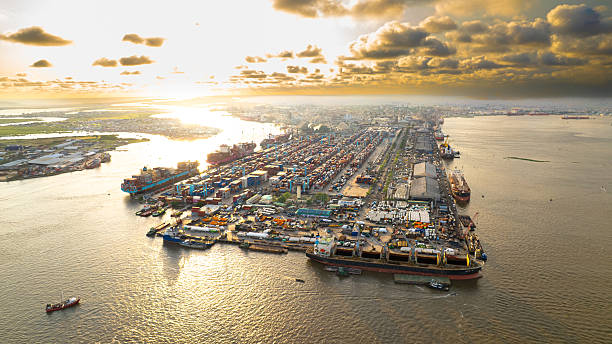
Tin Can Island Port remains an important part of Lagos’ maritime logistics network, handling containers, vehicles, general cargo and other goods moving through Nigeria. The latest Tin Can Island Port updates point to increased port activity, efforts to control truck traffic, major infrastructure modernisation and plans to improve cargo evacuation.
For importers, exporters, shipping companies, freight forwarders and transport operators, these changes are important because the efficiency of Tin Can Island Port directly affects the cost and timing of cargo movement.
Tin Can Island Port Traffic Has Come Under Fresh Attention
Recent reports raised concerns about possible renewed congestion around the Tin Can Island Port corridor, including allegations that some trucks were bypassing the Nigerian Ports Authority’s call-up system and designated truck parks.
However, Tin Can Island Port management subsequently disputed reports of a return to severe gridlock. According to the management, a joint task force involving the NPA, Lagos State Government and Federal Road Safety Corps has helped improve traffic management and restore freer truck movement around the port. (Standard Times NG)
The port management also explained that trucks seen around the facility do not automatically mean there is a gridlock, because Tin Can operates designated time belts for admitting trucks and empty containers.
For businesses using the port, the distinction is important. Higher truck activity can reflect increased cargo movement rather than necessarily indicating a complete breakdown of traffic flow.
Cargo Activity at Nigerian Ports Is Increasing
Tin Can Island Port is operating within a wider Nigerian port environment that has recorded stronger cargo activity in 2026.
The Nigerian Ports Authority reported that cargo throughput across Nigerian ports rose by 12.3 percent year-on-year in the second quarter of 2026, reaching 35.74 million tonnes. Vessel traffic, container movements and vehicle traffic also increased during the period. (TheCable)
Higher cargo volumes create opportunities for port operators and businesses, but they also put greater pressure on roads, terminals, warehouses, truck parks and cargo evacuation systems.
This makes efficient coordination increasingly important around Tin Can Island Port.
Major Modernisation Plans for Tin Can Island Port
One of the biggest developments is the planned modernisation of Tin Can Island Port alongside Apapa.
Nigeria has secured a £746 million facility for the rehabilitation and modernisation of the two Lagos ports. The programme is expected to support automation, digital technologies, improved cargo-handling equipment and upgrades intended to reduce vessel turnaround and cargo dwell times. (APAnews – Agence de Presse Africaine)
The modernisation is particularly significant for Tin Can because some of its infrastructure is ageing. Upgrading quay areas, improving water depth and rehabilitating existing facilities could give the port greater capacity to handle future cargo volumes.
However, port modernisation cannot be limited to what happens inside the terminal. Roads, truck management, rail, barges, customs processes and inland distribution also affect how quickly cargo leaves the port.
A Freight Rail Link Is Planned for Tin Can
Another important development is the planned freight railway connecting the Apapa Bulk Terminal area with Tin Can Island Port.
The proposed standard-gauge line is expected to include junction works, an elevated urban section, a bay crossing and signalling infrastructure. The objective is to provide another route for cargo movement and reduce dependence on trucks using the Apapa and Tin Can road corridors. (APAnews – Agence de Presse Africaine)
A functioning rail connection could become particularly useful as cargo volumes increase. Instead of every container requiring a road truck for its entire inland journey, some cargo could be transferred by rail and then connected to other distribution networks.
Truck Management Remains Important
Even with infrastructure upgrades, truck management will remain a major part of Tin Can Island Port operations.
The NPA and other authorities have been working to improve the electronic call-up process and control how trucks enter port corridors. Earlier in 2026, authorities also moved against unauthorised checkpoints and roadblocks around the Apapa and Tin Can corridors because such activities were contributing to delays and disruptions. (Voice of Nigeria)
For truck operators and cargo owners, following the approved access procedures is therefore important. Poor scheduling can create unnecessary queues even when the terminal itself has the capacity to receive cargo.
What the Updates Mean for Importers
Importers using Tin Can Island Port should continue to plan their cargo evacuation carefully.
Useful steps include:
- Confirm cargo documentation before arranging evacuation
- Monitor terminal and container status
- Use approved truck call-up procedures
- Allow extra time for port-to-warehouse transportation
- Coordinate drivers before containers become available
- Consider rail or barge options where suitable
- Plan warehouse receiving times around expected cargo arrival
- Maintain communication with freight and transport partners
This is especially important for businesses transporting cargo from Lagos to destinations such as Ibadan, Abuja, Kano, Onitsha or other parts of Nigeria.
A container leaving Tin Can Island Port is only the beginning of the inland logistics journey. Traffic, road conditions, truck availability and the destination warehouse can still determine when the cargo actually arrives.
How Travo.ng Can Support Tin Can Island Port Logistics
Travo.ng can support the transportation and logistics requirements surrounding cargo movement through Tin Can Island Port.
For example, a business importing goods through Tin Can may need transportation from the Lagos port area to a warehouse, followed by onward delivery to another Nigerian city. Travo.ng can help coordinate relevant transport and logistics arrangements around these movements.
Businesses may also require vehicle hire, delivery coordination, travel arrangements for personnel or other transportation support connected with their logistics operations.
Travo.ng is not a port authority, terminal operator or customs clearance agency. Its role is to support the wider travel, transportation and logistics requirements that businesses may have before, during or after cargo movement.
More Ships Are Expected at Lagos Ports
The latest NPA shipping position also indicates continued activity at Lagos ports. As of September 25, 2026, 44 vessels were expected to arrive at Apapa, Lekki Deep Sea Port and Tin Can Island between September 25 and October 8. The vessels include ships carrying containers, petroleum products, aviation fuel, general cargo, bulk commodities and other goods. (NEWSVERGE)
This level of expected vessel activity reinforces the need for efficient cargo evacuation. More ships and cargo can mean greater economic activity, but the supporting road, rail, warehouse and terminal systems must be able to handle the additional volume.
What to Expect From Tin Can Island Port
The immediate picture is one of increasing activity alongside continuing efforts to improve efficiency.
Port management says traffic conditions have improved and that recent truck activity should not automatically be interpreted as renewed gridlock. At the same time, major rehabilitation and modernisation plans are being pursued to address ageing infrastructure and improve cargo-handling capacity. (Standard Times NG)
Over the longer term, the combination of upgraded port infrastructure, better truck management, digital systems and a proposed freight rail connection could change how cargo moves through Tin Can Island.
For businesses, the practical priority remains good logistics planning. Monitoring cargo status, arranging transportation early and allowing realistic delivery time can help reduce the impact of delays while the wider port system continues to develop.
