


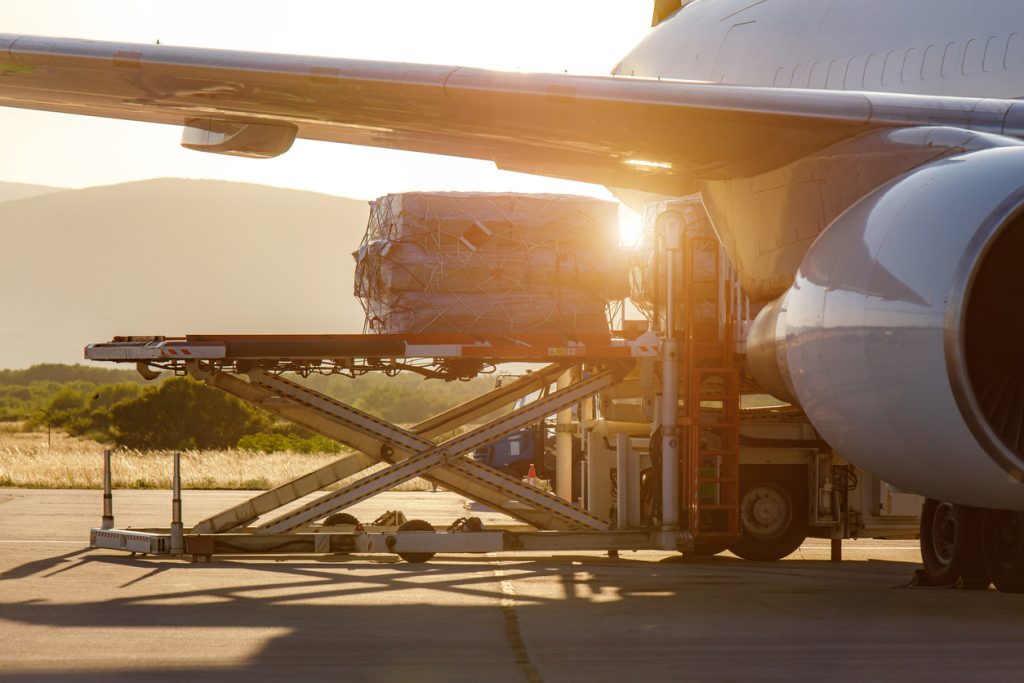
Airport logistics experts Africa help airports, airlines, ground handlers, cargo operators and other aviation businesses solve operational and logistics challenges. Their work can cover airport capacity, ground handling, cargo operations, aircraft turnaround, infrastructure planning, transportation, safety procedures and operational efficiency.
The need for specialised expertise is particularly relevant in Africa because airport infrastructure, handling standards and operating conditions can vary significantly between locations. AFRAA notes that ground handling standards differ widely across African airports, while some airports face inadequate or limited passenger and cargo handling infrastructure. (Afraa)
What Airport Logistics Experts Actually Do
Airport logistics experts analyse how people, aircraft, cargo, equipment and information move through an airport.
Their work may include:
- Airport operations analysis
- Logistics process improvement
- Ground handling assessment
- Cargo and warehouse planning
- Aircraft turnaround analysis
- Airport capacity studies
- Ground Support Equipment planning
- Passenger flow assessment
- Transportation planning
- Operational readiness
- Safety and compliance support
- Digital logistics implementation
- Staff training and process development
The exact role depends on whether the client is an airport, airline, ground handling company, cargo operator, investor or government agency.
IATA Consulting, for example, provides aviation consulting covering strategy, operations, safety, compliance and other areas for airports, airlines, ground handlers and cargo companies. (IATA)
Airport Operations Require More Than Infrastructure
An airport can have runways, terminals and aircraft stands but still experience operational bottlenecks.
The problem may be caused by inefficient passenger flows, insufficient baggage capacity, poor equipment allocation, cargo delays, staffing issues or weak coordination between different airport stakeholders.
Airport logistics experts examine how these individual activities interact.
IATA’s airport consulting services include capacity and demand studies, level-of-service assessments and master planning designed to identify congestion and operational bottlenecks and determine appropriate improvements. (IATA)
This type of analysis can help airport management make decisions based on actual operational requirements rather than simply adding infrastructure.
Ground Handling Is a Major Area of Expertise
Ground handling is one of the most important areas for airport logistics specialists.
Aircraft depend on numerous ground activities before departure, including baggage handling, cargo operations, passenger boarding, aircraft servicing, loading and unloading and GSE availability.
If these activities are poorly coordinated, even a well-planned flight schedule can be affected.
IATA’s ground and cargo consulting services include ground operations, baggage services, facility optimisation and cargo and terminal facility planning. (IATA)
Experts can therefore assess where delays occur, how resources are allocated and whether existing procedures are creating unnecessary operational problems.
Aircraft Turnaround Can Reveal Hidden Problems
Aircraft turnaround is another area where airport logistics experts can provide valuable analysis.
A turnaround involves several teams working around the aircraft within a limited period. Baggage, cargo, cleaning, catering, passenger boarding, ground equipment and other services need to be coordinated.
If one activity consistently takes longer than planned, it can create delays throughout the operation.
An expert may examine turnaround data to determine whether the underlying problem is staffing, GSE, communication, procedures, stand allocation or another operational constraint.
This is more useful than simply treating every delay as an isolated incident.
Cargo and Warehouse Planning
Air cargo operations require careful coordination between airports, airlines, freight forwarders, customs authorities, warehouse operators and transport companies.
Airport logistics experts can assess:
- Cargo terminal capacity
- Warehouse layout
- Cargo processing times
- Cold-chain requirements
- Customs processes
- Truck access
- Security procedures
- ULD handling
- Delivery connections
- Future cargo demand
AFRAA identifies cargo infrastructure, customs processes, training and digital freight systems among the areas that can affect African air cargo development. (Afraa)
Effective planning therefore considers what happens to cargo before it reaches the aircraft and after it leaves the airport.
Airport Capacity and Infrastructure Planning
Airport logistics experts may also be involved when an airport is expanding or developing new facilities.
Capacity planning can examine whether terminals, aircraft stands, baggage systems, cargo facilities, roads and other infrastructure can accommodate projected demand.
IATA’s airport infrastructure work covers airport development, capacity and level-of-service assessments, traffic forecasting and airport consulting. (IATA)
For a growing airport, this can help identify capacity constraints before they become serious operational problems.
Operational Readiness for New Airport Facilities
Logistics experts can also become involved before a new terminal or airport facility opens.
A new facility needs more than completed construction. Staff need to understand the new processes, equipment needs to function, systems must be tested and different stakeholders need to know their responsibilities.
IATA’s Operational Readiness and Airport Transfer approach includes operational planning, stakeholder coordination, staff training, trial operations and post-opening support. (IATA)
This type of preparation helps identify operational problems before passengers and airlines begin using the new facility.
Technology and Airport Logistics
Technology is becoming increasingly important in airport logistics.
Digital systems can help monitor aircraft movements, baggage, cargo, GSE, staff allocation and other operational resources.
IATA highlights asset tracking and resource allocation as areas where connected technologies can provide a more accurate picture of airport operations and improve efficiency. (IATA)
Airport logistics experts can help determine which technology is actually useful rather than recommending systems simply because they are new.
The important question is whether the technology solves a measurable operational problem.
Safety and Standardisation
Airport logistics also has a strong safety component.
Ground personnel work around aircraft, vehicles, passengers and heavy equipment, while cargo operations involve security, documentation and specialised handling requirements.
Experts may review procedures, training, safety management systems and compliance with applicable aviation standards.
This is particularly important when an airline operates across several airports and needs consistent procedures from one location to another.
IATA’s consulting services include safety, security and operations, while AFRAA Consulting lists technical and operations, training and safety among its areas of expertise for African airlines. (IATA)
How to Choose Airport Logistics Experts in Africa
Airports and aviation companies should match expertise to the specific problem they are trying to solve.
Consider:
- Relevant aviation experience: Look for experience in airport operations rather than general logistics alone.
- Operational knowledge: The consultant should understand ground handling, cargo, turnaround and airport processes where relevant.
- Local understanding: African operating conditions can differ significantly between countries and airports.
- Data capability: Good recommendations should be supported by operational data where available.
- Implementation experience: A useful plan should be practical enough to implement.
- Safety knowledge: Safety and compliance should be integrated into operational recommendations.
- Stakeholder coordination: Airport projects often involve airlines, handlers, regulators, customs and transport providers.
- Measurable outcomes: The project should identify appropriate KPIs for tracking improvements.
How Travo.ng Can Support Airport Travel and Logistics
Travo.ng is not an airport consulting company or specialist aircraft operations consultancy. Its role can instead support the wider travel and transportation requirements surrounding airport logistics.
For businesses, aviation personnel and travelling teams, Travo.ng can assist with travel bookings, airport transfers, hotel reservations, vehicle hire and transportation arrangements.
For example, an aviation company bringing engineers or consultants to an African airport may need flights, airport pickup, accommodation and transportation between the airport and project location. Travo.ng can help coordinate these travel requirements around the wider schedule.
Where business logistics are involved, Travo.ng can also support transportation and delivery requirements connected to travel.
This complements the work of specialist airport logistics experts, ground handlers and aviation consultants rather than replacing their technical or operational responsibilities.
When an Airport May Need Logistics Expertise
An airport may benefit from specialist logistics expertise when it is experiencing recurring operational problems or preparing for major changes.
Common situations include:
- Frequent aircraft turnaround delays
- Growing passenger volumes
- Cargo capacity constraints
- New terminal development
- Ground handling performance problems
- GSE shortages
- Baggage processing issues
- Expansion into new markets
- New airline operations
- Changes to airport layouts
- Digital transformation projects
- Need for operational readiness planning
The earlier a bottleneck is identified, the more options management may have for addressing it.
The Future of Airport Logistics Expertise Africa
Airport logistics expertise will remain relevant as African aviation focuses on improving safety, connectivity and operational efficiency.
IATA’s 2026 Focus Africa programme specifically identifies safety, infrastructure, connectivity, finance and distribution, sustainability and future skills as priorities for the continent’s aviation industry. (IATA)
AFRAA has similarly called for improvements in safety, connectivity and efficiency while noting that infrastructure and operational challenges remain. (Afraa)
The role of airport logistics experts is therefore not simply to recommend more infrastructure. Their value lies in understanding how existing facilities, people, equipment, technology and processes work together and identifying practical ways to make the entire operation more efficient.
