


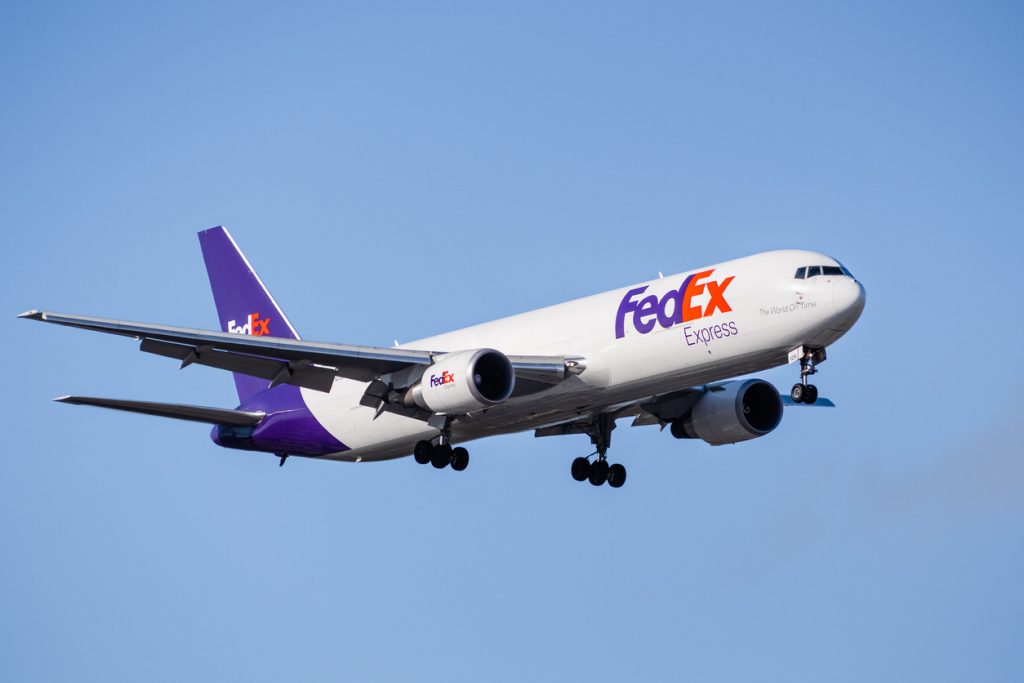
Aircraft support operations Africa cover the wide range of technical, logistical and ground activities required to keep aircraft safe, serviceable and ready for their next flight. These activities extend beyond aircraft maintenance to include spare parts logistics, ground support equipment, turnaround coordination, engineering support, documentation and transportation.
For airlines operating across multiple African countries, the availability of aircraft support services can have a direct effect on reliability and operational costs. A technical issue at an outstation, for example, may require engineers, replacement components, specialist equipment or rapid transportation before the aircraft can return to service.
AFRAA has identified maintenance capacity, spare-parts availability and stronger regional cooperation as important areas for improving African airline operations. (Afraa)
What Aircraft Support Operations Include
Aircraft support operations can involve several different functions depending on the airline, aircraft type and airport.
Common areas include:
- Line maintenance support
- Aircraft inspections and servicing
- Spare parts sourcing and transportation
- Ground Support Equipment
- Aircraft turnaround coordination
- Engineering assistance
- Component repair
- Technical documentation
- Fuel and ground servicing coordination
- Aircraft recovery and disruption support
- Maintenance logistics
- Crew and technical personnel transportation
These functions are usually handled by specialist aviation organisations, airlines, airports, MRO companies and other approved service providers.
The important point is that aircraft support is a connected operation. A maintenance team may have the technical expertise to repair an aircraft, but the repair can still be delayed if the required component or specialist equipment cannot reach the airport on time.
Aircraft Maintenance and MRO Support
Maintenance, Repair and Overhaul, commonly known as MRO, is one of the most important areas of aircraft support.
Maintenance can range from routine line maintenance performed between flights to more extensive inspections and repairs requiring specialist facilities.
In March 2026, AFRAA and major African MRO organisations launched the first African MRO Conference, highlighting the need to strengthen regional MRO capacity, technical skills and supply-chain resilience. AFRAA noted that significant aircraft maintenance for African airlines is still performed outside the continent, contributing to higher costs and longer aircraft downtime. (Afraa)
Developing stronger regional maintenance capabilities can therefore reduce the logistical burden associated with sending aircraft or components long distances for specialist work.
Spare Parts Logistics Can Affect Aircraft Availability
Aircraft parts are not ordinary cargo.
They require appropriate documentation, traceability and handling, and some components may need to move quickly because an aircraft is waiting for them. A delay in obtaining a relatively small component can potentially keep an aircraft out of service.
AFRAA’s current aircraft-parts marketplace, AeroParts, allows buyers and sellers to work with aircraft-part listings that include information such as part numbers, condition codes and airworthiness documentation. (Aeroparts)
AFRAA’s technical and operations initiatives have also included spare-parts pooling to improve access to critical components at selected airports. (Afraa)
For airlines, effective parts logistics therefore involves more than simply finding a supplier. Inventory planning, certification, transportation, customs and delivery time all matter.
Ground Support Equipment Supports Aircraft Operations
Aircraft support also depends heavily on equipment used around the aircraft.
Ground Support Equipment can include:
- Pushback tractors
- Ground power units
- Aircraft stairs
- Belt loaders
- Baggage tractors
- Aircraft loaders
- Catering vehicles
- Water and lavatory service equipment
Equipment must be available, maintained and operated correctly. If a critical piece of equipment is unavailable during an aircraft turnaround, other activities can be delayed.
IATA’s ground operations standards cover aircraft handling, turnaround, load control, ground support equipment management and airside safety. (IATA)
Aircraft Turnaround Requires Multiple Support Teams
An aircraft turnaround involves many activities taking place within a limited period.
Passengers and baggage have to be handled, cargo may need to be unloaded and reloaded, the aircraft may require cleaning and servicing, and ground equipment must be positioned correctly.
IATA notes that aircraft turnaround efficiency depends on factors including aircraft type, local procedures, maintenance requirements and flight capacity. It also highlights reliable GSE, preparation and coordination between airlines, airports and ground service providers as important elements of efficient turnaround operations. (IATA)
This means aircraft support teams need to work from a coordinated operational plan rather than treating each activity separately.
The Challenge of Supporting Aircraft Across Africa
African airlines can face additional logistical challenges when operating across large geographic areas.
An aircraft may encounter a technical issue at an airport where specialist maintenance capability or a particular component is not immediately available. Getting the required support may then involve another city or country.
AFRAA’s 2026 MRO conference identified parts availability, logistics inefficiencies and global supply-chain disruptions as constraints affecting African MRO operations. Participants called for regional supply-chain hubs, greater procurement collaboration and digital tools for inventory and demand forecasting. (Afraa)
For airlines, this makes advance planning particularly important.
Digital Tools Are Improving Aircraft Support
Technology is increasingly being used to improve aircraft and ground support operations.
Digital systems can help teams track maintenance requirements, manage inventories, monitor ground activities and coordinate resources. IATA is also examining technologies such as AI-integrated turnaround systems and telematics for Ground Support Equipment to improve decision-making and resource allocation. (IATA)
For spare parts, digital inventory systems can help maintenance teams identify available components before placing urgent orders. Better visibility can reduce unnecessary delays and make procurement planning more predictable.
Technology, however, cannot replace trained engineers, technicians and ground personnel. It works best when combined with appropriate infrastructure and established operating procedures.
Safety and Standardisation Remain Essential
Aircraft support activities take place around complex equipment and safety-critical systems.
Maintenance personnel, ground teams, equipment operators and other support staff therefore need appropriate training and clearly defined procedures.
IATA’s Ground Operations Manual covers areas such as aircraft safety and servicing, turnaround, load control, airside safety oversight and emergency response. Its standardisation programme is intended to reduce operational variation while improving safety and efficiency. (IATA)
For airlines operating at several African airports, consistent procedures can make it easier to train personnel, monitor performance and coordinate with different service providers.
How Travo.ng Can Support Aircraft-Related Travel and Logistics
Travo.ng is not an aircraft MRO provider or specialist aircraft maintenance organisation. Its role can instead support the wider travel and logistics requirements surrounding aviation operations.
For example, when airline personnel, engineers, contractors or business teams need to travel between cities for an aviation project, Travo.ng can support travel bookings, airport transfers, hotel reservations and vehicle hire.
It can also support wider transportation and delivery requirements connected to business travel. If a team needs to move from the airport to a maintenance facility, hotel or project location, coordinated ground transportation can be arranged as part of the wider journey.
For businesses involved in aviation logistics, this helps connect the travel and transportation side of an operation without replacing specialist organisations responsible for aircraft maintenance, engineering or aircraft-side handling.
Planning Aircraft Support Operations More Effectively
Airlines and aviation companies can improve support operations by planning around both normal requirements and potential disruptions.
Useful measures include:
- Maintain critical spare-part inventories at strategically important locations.
- Develop regional supplier networks to reduce dependence on distant sources.
- Track GSE condition and availability before aircraft arrival.
- Coordinate maintenance and ground teams around flight schedules.
- Use digital inventory systems for better parts visibility.
- Develop contingency plans for technical disruptions.
- Train personnel continuously on aircraft and ground safety procedures.
- Monitor turnaround and maintenance performance using measurable KPIs.
- Work with approved specialist providers for technical and maintenance requirements.
- Coordinate transportation early when personnel, equipment or components need to move between locations.
The Future of Aircraft Support Operations Africa
The development of African MRO capacity, regional parts networks, digital systems and technical skills is likely to remain important as the continent’s aviation sector expands.
The 2026 African MRO Conference placed particular emphasis on building regional maintenance capability, strengthening supply-chain resilience, developing technical skills and increasing digital transformation. (Afraa)
Aircraft support operations are ultimately about keeping aircraft safe, serviceable and available. That requires much more than maintenance alone. Reliable parts logistics, trained personnel, functioning equipment, coordinated ground operations and dependable transportation all contribute to keeping aircraft moving across Africa.
