


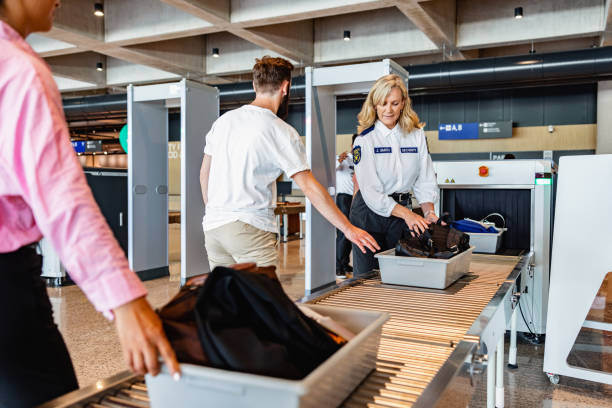
Airport handling services Africa are a major part of keeping airlines, airports and passengers moving safely and efficiently. When an aircraft lands, a range of activities must take place before it can depart again. These include passenger handling, baggage operations, aircraft loading, cargo handling, ramp services, ground support equipment and operational coordination.
Ground handling is considered an integral part of airline operations, with safety, punctuality and operational efficiency among the main priorities for the industry. IATA also promotes standardised procedures to reduce differences between airlines, airports and ground service providers. (IATA)
What Airport Handling Services Include
Airport handling covers many activities performed while an aircraft is on the ground.
Depending on the airport and service provider, these can include:
- Passenger check-in and boarding assistance
- Baggage handling
- Aircraft loading and unloading
- Ramp services
- Cargo and mail handling
- Load control
- Aircraft movement coordination
- Ground support equipment
- Passenger assistance
- Security-related support
- Aircraft cleaning and servicing
- Flight operations support
IATA’s Airport Handling Manual covers passenger, cargo and mail handling, aircraft loading, load control, ground handling agreements, ground support equipment and ground operations training. (IATA)
Why Airport Handling Matters to Airlines
Good airport handling helps an airline complete its ground activities within the planned turnaround period.
When an aircraft arrives, multiple teams may need to work around it at the same time. Baggage must be unloaded, passengers must leave the aircraft, cargo may need to be transferred, the aircraft may require cleaning and servicing, and the next load must be prepared.
A delay in one activity can affect other teams and eventually push back the aircraft’s departure time.
IATA identifies safe, secure and on-time ground handling turnarounds as a priority and notes that standardisation can improve operational efficiency, training and safety. (IATA)
Passenger and Baggage Handling Across African Airports
Passenger handling begins before the aircraft leaves the ground.
Check-in, document verification, boarding, gate coordination, passenger assistance and baggage processing all need to work together.
Baggage handling is particularly sensitive because bags must be correctly identified, sorted, transported to the aircraft and loaded within the turnaround window. On arrival, the process is reversed before passengers can collect their bags.
IATA maintains dedicated standards and guidance covering passenger and baggage operations as part of its wider ground operations framework. (IATA)
For busy African airports, better coordination between airlines, handlers and airport operators can help reduce avoidable delays and improve the passenger experience.
Ramp Handling and Aircraft Turnaround
Ramp operations take place close to the aircraft and involve people, vehicles and equipment working in a confined environment.
Activities can include aircraft marshalling, baggage and cargo loading, pushback support and other services required before departure.
Ground Support Equipment such as belt loaders, baggage tractors, passenger stairs, aircraft loaders and pushback tractors must be available and properly maintained.
Because several activities happen simultaneously, communication and clear procedures are important. IATA’s Ground Operations Manual is designed to standardise ground handling procedures and reduce complexity when airlines work with multiple airports and service providers. (IATA)
Cargo and Mail Handling
Airport handling services also support the movement of air cargo.
Cargo operations can involve acceptance, documentation, security checks, warehouse storage, preparation for aircraft loading and transfer to onward transportation.
The requirements become more demanding for time-sensitive shipments such as pharmaceuticals, perishables, aircraft spare parts and other high-value goods.
IATA’s handling framework specifically includes cargo and mail operations, while its ground handling standards are designed to create more consistent processes across the industry. (IATA)
For African airports, cargo handling efficiency also depends on warehouse capacity, customs processes, road connectivity and the availability of appropriate handling equipment.
Ground Support Equipment Can Affect Service Quality
Airport handling depends heavily on Ground Support Equipment.
Common equipment includes:
- Belt loaders
- Baggage tractors
- Pushback tractors
- Ground power units
- Passenger stairs
- Aircraft loaders
- Catering vehicles
- Water and lavatory service vehicles
Equipment shortages or poor maintenance can create delays and affect turnaround performance. Operators therefore need systems for equipment allocation, maintenance and safe operation.
IATA’s Airport Handling Manual includes specific provisions for GSE management and specifications, while its wider ground operations programme focuses on improving safety and efficiency. (IATA)
Challenges Affecting Airport Handling Services in Africa
Airport handling conditions differ considerably across the continent.
AFRAA reports that ground handling standards vary widely among African airports and points to inadequate, ageing or limited passenger and cargo infrastructure at many locations. It also identifies relatively high handling costs as an industry concern. (Afraa)
Other operational challenges can include:
- Limited or ageing GSE
- Shortages of trained personnel
- Inconsistent procedures
- Poor coordination between stakeholders
- Limited cargo facilities
- Equipment maintenance problems
- Congested airport facilities
- High operating costs
- Differences in standards between airports
These challenges can become more noticeable during peak travel periods when passenger numbers, baggage volumes and aircraft movements increase.
Safety and Staff Training Are Essential
Airport handling involves heavy equipment, aircraft, passengers and personnel operating within the same environment. Strong safety procedures and continuous staff training are therefore essential.
IATA says global ground operations standards provide a foundation for safe and efficient operations, while standardisation can improve personnel competency and simplify oversight. (IATA)
AFRAA has also promoted the use of the IATA Safety Audit for Ground Operations (ISAGO) as a way to strengthen quality, safety and security among ground service providers. (Afraa)
For airlines selecting handling providers, safety records, staff training, equipment condition and operational procedures should therefore be considered alongside price.
Technology Is Improving Airport Handling
Digital systems are increasingly being used to coordinate airport handling activities.
Airlines and ground service providers can use digital platforms to share operational information, assess compliance and access standardised procedures. IATA’s Operational Portal provides a central platform for airlines and ground handlers to access operational standards and exchange information. (IATA)
Technology can also support:
- Turnaround monitoring
- Baggage tracking
- GSE tracking
- Load control
- Staff allocation
- Cargo documentation
- Operational reporting
The objective is not simply to add technology but to give handling teams better information at the time they need it.
How Travo.ng Can Support Airport Travel and Logistics
Travo.ng is not a specialist aircraft ground handling company. Its role can instead complement airport handling by supporting the wider travel and transportation requirements surrounding a journey.
For travellers and businesses, Travo.ng can assist with travel bookings, airport transfers, hotel reservations, vehicle hire and related transportation arrangements.
For example, a company sending employees from Lagos to another African city may need flights, airport pickup, accommodation and local transportation. Coordinating these services around the same itinerary can make the entire journey easier to manage.
Travo.ng can also support delivery and logistics requirements connected to travel, helping businesses coordinate transportation before and after air travel.
This means Travo.ng can complement specialist airport handlers by supporting the passenger’s or company’s wider journey rather than taking over aircraft-side handling responsibilities.
How to Select Airport Handling Services in Africa
Airlines and aviation businesses should assess several factors before choosing a ground handling provider.
Service coverage: Confirm whether the provider offers the passenger, baggage, ramp, cargo, load control or other services required.
Safety and compliance: Review training, safety management systems, audits and operating procedures.
Equipment: Check the availability, condition and maintenance of appropriate GSE.
Staffing: Ensure there are enough trained personnel for normal and peak operations.
Performance: Examine turnaround times, baggage performance, cargo processing and service reliability.
Local experience: A provider should understand the operational requirements of the specific airports where services are needed.
Contract terms: Clearly define responsibilities, service standards, costs and performance measurements.
IATA’s Standard Ground Handling Agreement provides a framework for airlines and ground service providers to define services, operational requirements, standards, liabilities and commercial terms. (IATA)
Improving Airport Handling Services Africa
Improving airport handling requires cooperation between airlines, airports, ground handlers, regulators and other logistics partners.
Practical measures include:
- Investing in reliable and modern ground equipment.
- Improving preventive maintenance programmes.
- Strengthening staff training and safety management.
- Standardising ground handling procedures.
- Improving communication between airport stakeholders.
- Expanding cargo and baggage infrastructure.
- Using digital systems to monitor operations.
- Tracking turnaround and service-level KPIs.
- Improving contingency planning for disruptions.
- Establishing clear agreements between airlines and handling providers.
As African aviation develops, efficient airport handling will remain important for aircraft turnaround, passenger experience, cargo movement and airline reliability. Stronger infrastructure, trained personnel, reliable equipment and consistent procedures can help African airports deliver more predictable ground operations.
