


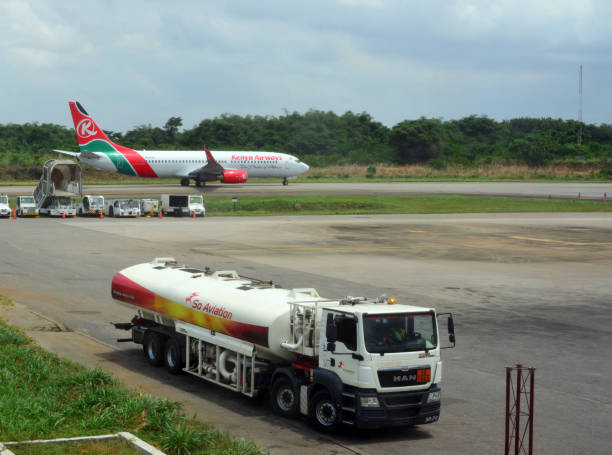
Aviation logistics operations Africa cover the systems and activities that keep airports, airlines, cargo operators and supporting businesses moving efficiently. From aircraft turnaround and baggage handling to cargo processing, ground transportation and equipment management, aviation logistics connects many different parts of the air transport chain.
Efficient operations require more than an airport and an aircraft. Airlines depend on ground handlers, cargo teams, airport authorities, customs agencies, transport providers, warehouses and other service partners to coordinate their activities around tight schedules.
IATA describes aviation operations as requiring ongoing standardisation and optimisation to improve safety and efficiency, while ground handling remains an integral part of airline operations. (IATA)
What Aviation Logistics Operations Actually Involve
Aviation logistics operations cover both airside and landside activities.
Common activities include:
- Aircraft arrival and departure coordination
- Passenger and baggage handling
- Cargo acceptance and warehouse operations
- Ground support equipment management
- Aircraft loading and unloading
- Load control
- Fuel and aircraft servicing coordination
- Airport transfers and ground transportation
- Customs and shipping documentation
- Spare parts and aircraft maintenance logistics
- Delivery of time-sensitive shipments
- Communication between airlines and service providers
The effectiveness of these activities depends heavily on how well the different parties communicate and coordinate.
Aircraft Turnaround Is at the Centre of Ground Operations
Aircraft turnaround is one of the most time-sensitive parts of aviation logistics.
Once an aircraft reaches its parking position, several activities may need to happen before it can depart again. Passengers disembark, baggage and cargo are unloaded, the aircraft is serviced and cleaned, new passengers board, and new baggage and cargo are loaded.
Ground Support Equipment (GSE) must also be available when required.
A delay in one activity can affect the entire departure schedule. IATA’s ground handling standards cover areas including aircraft turnaround, baggage, load control, passenger handling and airside safety. (IATA)
This makes turnaround coordination an important performance area for airlines and ground handling providers.
Cargo Operations Connect Airports to the Wider Supply Chain
Air cargo is another major part of aviation logistics operations in Africa.
Cargo may move from a manufacturer or supplier to a freight forwarder, airport warehouse, customs authority, airline, destination warehouse and final customer. Each stage needs appropriate documentation, handling and transportation.
IATA describes cargo operations as a central part of the air cargo supply chain and its cargo standards cover procedures across the transport process. (IATA)
For African airports, efficient cargo logistics can be particularly important for pharmaceuticals, perishables, electronics, spare parts and other time-sensitive goods.
Warehouse capacity, customs procedures, road connections and reliable cargo handling can all influence how quickly shipments move through the airport.
Ground Handling and Equipment Affect Operational Performance
Ground handlers provide many of the services required to prepare an aircraft for its next flight.
These can include passenger services, ramp operations, baggage handling, cargo and mail handling, load control and other support activities.
Ground Support Equipment can include:
- Baggage tractors
- Belt loaders
- Aircraft loaders
- Pushback tractors
- Ground power units
- Passenger stairs
- Catering vehicles
- Water and lavatory service vehicles
The equipment needs to be available, properly maintained and safely operated. IATA identifies safe and on-time ground handling as a priority and highlights standardisation as a way to improve safety, training and operational efficiency. (IATA)
Infrastructure Can Create Logistics Bottlenecks
Aviation logistics operations depend on suitable airport infrastructure.
Cargo terminals, warehouses, aircraft stands, taxiways, access roads, passenger facilities and equipment areas all influence how efficiently an airport can operate.
AFRAA notes that ground handling standards vary widely across African airports and that some airports have inadequate, ageing or limited passenger and cargo handling infrastructure. (Afraa)
This can create bottlenecks even when airlines and logistics companies have capable personnel.
An airport may have sufficient aircraft capacity, for example, but still experience delays because cargo processing, baggage facilities, GSE availability or road access cannot keep pace with demand.
Standardisation Makes Multi-Airport Operations Easier
Airlines operating across several African countries have to deal with different airports, service providers and operating environments.
Standardised procedures can reduce unnecessary variation.
IATA’s Ground Operations Manual is designed to standardise ground handling processes and reduce complexity when airlines work with different airports and ground service providers. IATA identifies improved safety, training, operational efficiency and cost reduction among the benefits of standardisation. (IATA)
For African aviation businesses, applying consistent procedures can make staff training, auditing and operational coordination easier.
Technology Is Becoming More Important
Digital systems are increasingly being used to coordinate aviation logistics operations.
Operational platforms can help airlines and ground handlers share information, assess compliance and access common operating standards. IATA’s Operational Portal, for example, provides airlines and ground handling providers with operational standards and tools for exchanging information. (IATA)
Technology can also support:
- Aircraft turnaround monitoring
- Baggage tracking
- Cargo documentation
- GSE tracking
- Staff allocation
- Load control
- Delivery visibility
- Operational reporting
However, digital tools work best when airports also have reliable infrastructure, trained personnel and clear procedures.
Road Transport Is Part of Aviation Logistics Too
Aviation logistics does not end when an aircraft lands.
Passengers may need airport transfers to hotels, offices or other cities. Cargo may need to leave the airport immediately for a warehouse, distribution centre or customer.
This makes road transportation an important link between airports and the wider logistics network.
For cargo operators, poor road connectivity or traffic congestion can reduce the benefits of efficient airport processing. For business travellers, unreliable airport transfers can create similar problems after a flight has arrived.
A well-coordinated aviation logistics operation therefore considers what happens before and after the flight, not just what happens around the aircraft.
How Travo.ng Can Support Aviation Travel and Logistics
Travo.ng can support the wider travel and logistics requirements connected to aviation operations without positioning itself as a specialist aircraft ground handler.
For travellers and businesses, Travo.ng can coordinate services such as travel bookings, airport transfers, hotel reservations, vehicle hire and transportation arrangements.
For example, a company sending employees from Lagos to Nairobi may need flights, airport pickup, accommodation and local transportation arranged around the same itinerary. Coordinating these services can make the journey easier to manage for both the business and its travelling employees.
Travo.ng can also support delivery and logistics requirements connected to travel, helping businesses coordinate the movement of people and goods before and after air transportation.
The value is in connecting the wider journey rather than replacing specialist airport operators responsible for aircraft-side handling.
Managing Aviation Logistics Across Multiple African Airports
Companies operating across Africa need to consider local conditions when planning aviation logistics.
An effective operating plan should consider:
- Airport capabilities: Understand the available cargo, passenger and ground handling facilities.
- Service providers: Confirm which local companies handle ramp, baggage, cargo and support operations.
- Equipment availability: Check whether appropriate GSE is available for the aircraft and operation.
- Documentation: Prepare customs, cargo and operational paperwork in advance.
- Transportation: Plan airport-to-city and airport-to-warehouse movements.
- Staffing: Ensure trained personnel are available during operating periods.
- Contingency planning: Prepare for equipment failures, weather, congestion and operational disruptions.
- Performance monitoring: Track delays, turnaround times, cargo processing and service reliability.
IATA’s operational standards emphasise coordination and consistency across ground handling activities, while its cargo guidance focuses on efficient and standardised cargo processes. (IATA)
Improving Aviation Logistics Operations Africa
Improving aviation logistics operations requires cooperation across the entire aviation ecosystem.
Airlines, airports, ground handlers, cargo operators, customs authorities and transport companies can improve performance by investing in suitable infrastructure, maintaining equipment, strengthening staff training and sharing operational information.
African aviation stakeholders are also placing increasing attention on safety, standardisation and operational efficiency as air traffic grows. IATA’s Africa-focused programmes have highlighted collaborative decision-making and the adoption of ground operations standards as ways to improve operational predictability and efficiency. (IATA)
The strongest logistics systems are therefore not built around one company or one piece of technology. They depend on reliable infrastructure, trained people, appropriate equipment, clear procedures and effective coordination.
As African aviation continues to develop, efficient logistics operations will remain important for improving aircraft turnaround, cargo movement, passenger journeys and the overall reliability of air transport across the continent.
