


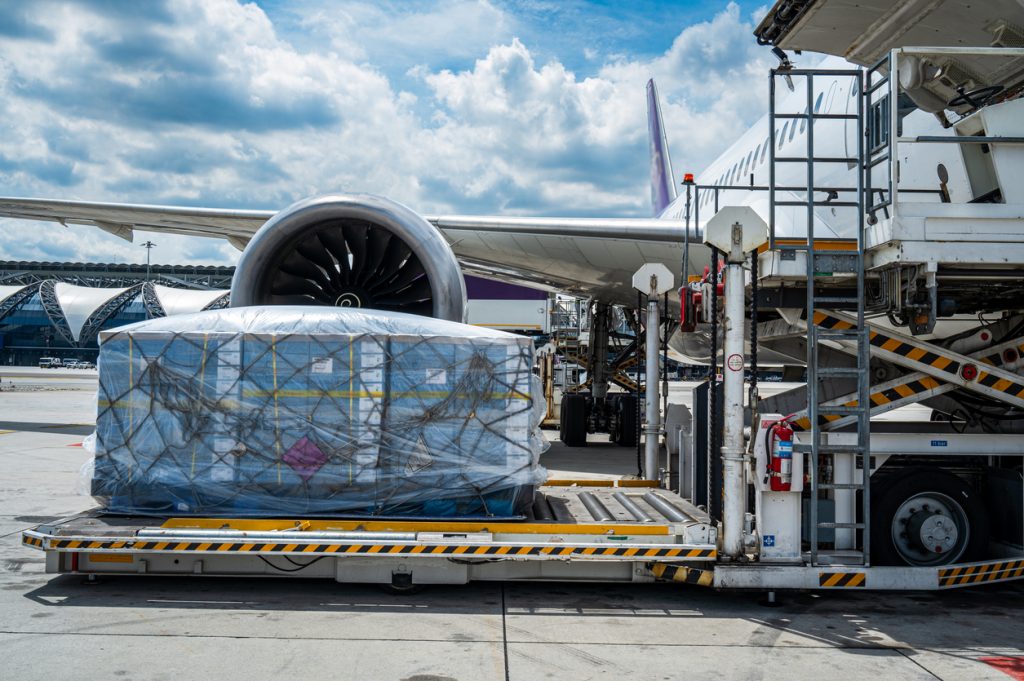
Airport logistics efficiency Africa is becoming increasingly important as airports handle growing passenger numbers, cargo volumes and increasingly complex ground operations. Efficient airport logistics is not only about moving passengers quickly. It also involves aircraft turnaround, baggage handling, cargo processing, ground support equipment, warehousing, customs, road transport and coordination between multiple airport stakeholders.
Across Africa, differences in infrastructure, operating procedures, technology and connectivity can make airport logistics more difficult and expensive. Improving efficiency therefore requires attention to the entire movement of people, aircraft, cargo and information.
What Airport Logistics Efficiency Actually Covers
Airport logistics efficiency refers to how effectively an airport and its supporting service providers coordinate resources and processes.
This includes:
- Aircraft arrival and departure coordination
- Baggage loading and unloading
- Air cargo acceptance and delivery
- Ground support equipment allocation
- Passenger movement
- Warehouse operations
- Customs and documentation
- Airport road transportation
- Aircraft turnaround activities
- Communication between airlines, handlers and airport authorities
When these activities work together, aircraft can spend less unnecessary time on the ground and cargo and passengers can move through the airport more smoothly. IATA identifies standardised ground handling procedures as an important way to improve operational efficiency, safety and turnaround performance. (IATA)
Infrastructure Still Affects Airport Efficiency in Africa
Airport logistics cannot operate efficiently without suitable physical infrastructure.
Aprons, taxiways, cargo terminals, warehouses, baggage systems, passenger facilities, access roads and equipment storage areas all affect how quickly airport activities can be completed.
AFRAA has highlighted infrastructure efficiency as an important issue for African aviation, including the need for stakeholders to coordinate infrastructure development and improve airport operations while controlling operating costs. (Afraa)
For cargo-focused airports, warehouse capacity is particularly important. A shipment can arrive on time but still experience delays if cargo handling, storage, documentation or onward transportation is poorly coordinated.
Aircraft Turnaround Is a Major Efficiency Factor
An aircraft turnaround involves many activities happening within a limited period.
While passengers disembark, baggage and cargo are removed, cleaning takes place, catering may be completed, fuel is supplied and new passengers and loads are prepared. Ground support equipment and personnel must also be available at the right time.
A delay in one activity can affect several others.
This is why airports and ground service providers increasingly rely on standard procedures, better communication and performance monitoring. IATA notes that standardisation can reduce operational complexity while improving training, efficiency and consistency across ground operations. (IATA)
Better Ground Support Equipment Can Reduce Delays
Ground Support Equipment (GSE) such as baggage tractors, belt loaders, passenger stairs, pushback equipment and aircraft loaders is central to airport logistics.
The problem is not simply having equipment available. Equipment must be properly maintained, positioned and assigned to the correct aircraft at the right time.
Poor equipment availability can cause avoidable delays, while poorly operated equipment can create safety and aircraft-damage risks. IATA identifies GSE management and resource monitoring as important areas for improving ground operations. (IATA)
Airports can improve efficiency by tracking equipment utilisation, introducing preventive maintenance and using technology to identify where equipment is needed before a turnaround begins.
Digital Technology Is Changing Airport Logistics
Technology is increasingly being used to connect information from different parts of airport operations.
Digital systems can help teams monitor aircraft turnaround activities, baggage, cargo, equipment and staff assignments. Instead of relying entirely on phone calls, paper forms or disconnected systems, operational teams can share information more quickly.
IATA has also highlighted digital load reconciliation and integrated turnaround systems as tools for improving communication and reducing loading errors. Its research reports significant reductions in loading errors and operational delays from digital solutions in this area. (IATA)
For African airports, technology adoption needs to match local infrastructure, workforce skills and operational requirements rather than simply copying systems used elsewhere.
Cargo Logistics Needs Stronger Coordination
Air cargo efficiency depends on more than the aircraft itself.
Cargo may move from a shipper to a freight forwarder, airport warehouse, customs authorities, ground handler, airline and final delivery provider. If information or physical movement is delayed at any point, the entire shipment can be affected.
Efficient cargo operations therefore require clear acceptance procedures, warehouse processes, documentation, security controls and reliable onward transportation. IATA describes cargo operations as a central part of the air cargo supply chain and emphasises consistent processes and efficient warehouse operations. (IATA)
This is particularly relevant for pharmaceuticals, perishables, electronics and other time-sensitive shipments.
Road Connectivity Matters Too
Airport logistics does not stop at the airport boundary.
A cargo terminal can operate efficiently while shipments still experience delays because of poor road connections, traffic congestion, vehicle availability or weak coordination with delivery providers.
For passengers, airport transfers create a similar challenge. Someone may complete check-in and security efficiently but still face unnecessary delays getting between the airport and their hotel, office or final destination.
This means airport logistics efficiency in Africa should be considered as part of a wider transport network rather than as an isolated airport function.
How Travo.ng Can Support Airport Logistics
Travo.ng can support the wider travel and logistics activities that surround airport operations without positioning itself as a specialist airport ground handler.
For travellers and businesses, this can include coordinating airport transfers, travel bookings, hotel reservations, vehicle hire and delivery or logistics requirements connected to a journey. For example, a business sending staff to another African city may need flights, airport pickup, accommodation and local transportation arranged as one coordinated travel plan.
Where cargo or business logistics are involved, Travo.ng can also help coordinate transportation and delivery requirements around travel schedules. This is useful when the challenge is not simply getting to an airport but managing the movement of people and goods before and after the flight.
How African Airports Can Improve Logistics Efficiency
Improving airport logistics efficiency requires several improvements working together rather than one isolated solution.
Practical measures include:
- Standardising ground procedures across airlines, airports and service providers.
- Monitoring turnaround performance to identify recurring sources of delay.
- Improving GSE availability and maintenance to prevent equipment-related disruptions.
- Digitising cargo and operational information where suitable.
- Improving staff training for ground, cargo and passenger operations.
- Strengthening airport-road connectivity for cargo and passenger movement.
- Improving coordination between airlines, airports, handlers, customs and logistics providers.
- Using operational data to identify bottlenecks and allocate resources more effectively.
IATA’s ground operations guidance emphasises standardisation, training and technology as important components of safer and more efficient airport operations. (IATA)
The Future of Airport Logistics Efficiency Africa
African aviation is expected to continue expanding, making efficient airport logistics increasingly important. AFRAA reported in 2026 that African aviation is experiencing continued growth while calling for greater attention to safety, connectivity and operational efficiency. (Afraa)
Future improvements will likely involve greater use of digital systems, better equipment tracking, improved cargo infrastructure, stronger regional logistics networks and more standardised ground operations.
The most efficient airports will not necessarily be those with the most technology. They will be those that combine suitable infrastructure, trained people, reliable equipment, clear procedures and good coordination across the entire logistics chain.
