


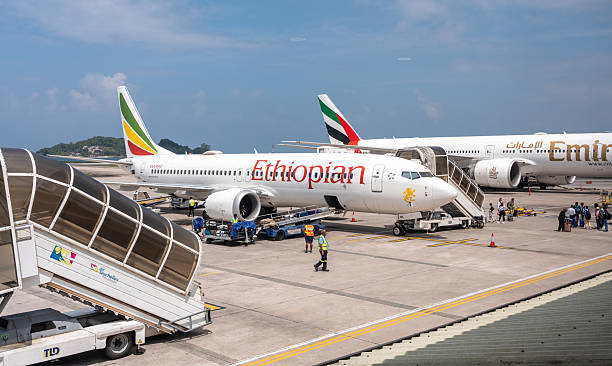
Aviation logistics systems in Africa connect the many activities required to move passengers, cargo, aircraft equipment and information through the aviation network.
These systems can include cargo-management platforms, warehouse systems, flight and ground-operations software, baggage systems, fleet and equipment tracking, digital documentation, customs platforms and transportation-management tools.
The need for better-connected systems is becoming more important as African aviation grows. IATA’s 2026 Focus Africa initiative identifies operational efficiency and digital innovation as important areas for developing the continent’s aviation sector. (IATA)
For airports, airlines and logistics companies, the objective is not simply to introduce more software. The systems need to communicate with each other and provide useful information to the people making operational decisions.
What Aviation Logistics Systems Cover
An aviation logistics system can support different parts of the aviation supply chain depending on the organisation using it.
Common functions include:
- Air cargo management
- Warehouse management
- Shipment tracking
- Baggage handling
- Ground operations
- Aircraft turnaround coordination
- Ground support equipment management
- Customs and documentation
- Inventory management
- Transport coordination
- Passenger information
- Flight operations
- Data reporting
Some systems are designed for one specific function, while others connect several departments.
For example, an airline may use separate systems for flight operations, cargo, passenger services and maintenance, while an airport may have systems covering baggage, gates, stands, security and ground movements.
The challenge is making sure relevant information can move between these systems.
Why Integrated Logistics Systems Matter in Africa
Fragmented information can make aviation logistics slower and more difficult to manage.
A cargo shipment may pass through an airline, freight forwarder, airport cargo terminal, customs authority, warehouse and road transporter. If each organisation relies on disconnected information, staff may repeatedly request documents, manually enter data or wait for status updates.
A 2026 study examining Nigerian airport logistics identified duplicated clearance procedures, fragmented data systems and repeated physical inspections as sources of operational inefficiency. (MDPI)
This demonstrates why digital integration is not only a technology issue. It can directly affect how quickly cargo and other airport processes are completed.
Air Cargo Systems Need Better Visibility
Cargo is one of the areas where aviation logistics systems can provide significant value.
A digital cargo system can help stakeholders monitor:
- Shipment location
- Cargo status
- Documentation
- Warehouse movements
- Customs processing
- Flight information
- Delivery arrangements
- Special handling requirements
AFRAA has highlighted digital integration as an important area for African air cargo, noting that fragmented systems and manual processes have historically limited visibility and collaboration. (Afraa)
Digital cargo processes can make it easier for a shipper or logistics manager to understand where a shipment is and which stage is causing a delay.
Warehouse Management Is Part of the System
Airport cargo warehouses are not simply storage areas.
They receive shipments, verify documentation, organise cargo, prepare consignments for aircraft loading and release shipments after arrival. Temperature-sensitive and special cargo may require additional controls.
A warehouse-management system can help track inventory, storage locations, cargo status and movement through the facility.
This becomes particularly important at busy airports where large numbers of shipments have to be processed without losing visibility over individual consignments.
Ground Operations Need Connected Information
Aircraft turnaround involves several teams working within the same time window.
Ramp personnel, baggage teams, passenger-service staff, fuelling teams, catering providers and other service providers all need information about the aircraft and its operational status.
Digital ground-operations systems can help teams understand what has been completed, what remains outstanding and whether a delay is developing.
IATA has been promoting greater standardisation and digitalisation of ground operations, including the use of structured operational information to improve coordination and efficiency. (IATA)
The benefit is greatest when airlines, airports and ground handlers can share relevant information rather than maintaining isolated operational records.
Aircraft and Equipment Tracking
Ground support equipment is another area where logistics systems can be useful.
Airports and ground handlers may have large fleets of baggage tractors, belt loaders, pushback tractors, ground power units and other equipment.
A digital equipment-management system can help track:
- Equipment location
- Availability
- Maintenance schedules
- Operating hours
- Faults
- Inspection records
- Allocation to flights or work areas
This can reduce the risk of staff searching for equipment during a busy turnaround and can help managers identify equipment that requires maintenance or replacement.
Customs and Border Systems
International aviation logistics also depends heavily on government processes.
Cargo may need customs declarations, security information and other documentation before it can move through the airport.
Passenger processing increasingly relies on digital information as well. In July 2026, IATA, AFRAA and AASA urged African governments implementing Advance Passenger Information and Passenger Name Record systems to align them with ICAO standards and global practices. (IATA)
For cargo, Nigeria is also moving toward greater use of digital cargo information. The Federal Government announced plans for Advanced Cargo Information systems across Nigerian airports, with the stated aim of improving cargo security, reducing clearance bottlenecks and streamlining processing. (Aviation Authority)
These developments show how aviation logistics increasingly depends on information systems beyond the airline or airport itself.
Mobile and Real-Time Information
Modern logistics systems increasingly allow operational teams to access information while they are working.
Instead of relying entirely on office-based computers or paper records, staff can use mobile devices to update shipment status, record equipment inspections or receive operational instructions.
Real-time information can be particularly useful when conditions change quickly. A delayed flight, equipment failure, late cargo shipment or gate change may require several teams to adjust their plans.
The faster relevant stakeholders receive accurate information, the easier it becomes to coordinate the response.
Challenges to Implementing Aviation Logistics Systems in Africa
Digitalisation does not automatically solve operational problems.
Airports and logistics companies may face challenges involving:
- High technology costs
- Poor connectivity
- Unreliable power supply
- Legacy software
- Limited interoperability
- Staff training requirements
- Cybersecurity risks
- Different regulatory requirements
- Resistance to changing established processes
- Limited digital infrastructure at smaller airports
There can also be a significant gap between having a system and actually using it effectively.
A sophisticated platform will have limited value if staff are not trained, data is incomplete or different organisations continue using incompatible processes.
AFRAA has identified digital transformation as an important priority while also recognising the need for collaboration and harmonisation across African aviation stakeholders. (Afraa)
How Travo.ng Can Support Aviation Logistics
Travo.ng can support the travel and transportation activities surrounding aviation logistics systems without presenting itself as an airport software provider or specialist aircraft-operations technology company.
For example, an aviation team travelling to Nigeria may need airport pickup, accommodation, vehicle hire and transportation between airports, hotels, offices or project sites. Travo.ng can help coordinate those travel requirements.
Where documents, equipment or other items need to move between locations, transportation and delivery coordination can also support the wider logistics process.
This means Travo.ng can complement aviation logistics systems from the travel and ground-transportation side. Specialist airport, airline and cargo systems would continue to manage technical functions such as aircraft operations, cargo records, baggage systems and ground handling.
Making Aviation Logistics Systems Work Better
Successful implementation starts with understanding the actual operational problem.
An airport should not introduce technology simply because another airport is using it. Management should first identify where delays, duplicated work or poor information flow are occurring.
A practical implementation process can include:
- Mapping existing logistics processes.
- Identifying duplicated manual activities.
- Determining which information needs to be shared.
- Selecting systems that can integrate with existing platforms.
- Training staff before implementation.
- Establishing cybersecurity and access controls.
- Testing systems on a limited scale.
- Measuring operational improvements.
- Expanding successful solutions gradually.
- Reviewing the system as operational requirements change.
This approach can prevent technology investments from becoming expensive standalone platforms that do not solve the original operational problem.
The Future of Aviation Logistics Systems in Africa
African aviation logistics is moving toward greater digital integration.
Cargo tracking, electronic documentation, equipment monitoring, passenger data systems, automated processes and real-time operational information are becoming increasingly important as airports and airlines seek greater efficiency.
The wider goal is to create an aviation logistics network where information can move as efficiently as passengers, cargo and equipment. IATA’s Focus Africa programme specifically identifies digital innovation, harmonised processes and operational efficiency among the areas requiring continued attention. (IATA)
For African airports and aviation businesses, the strongest systems will therefore be those that connect people, processes and information rather than simply adding another layer of software. Better integration can make cargo easier to track, aircraft operations easier to coordinate and airport logistics more predictable.
