


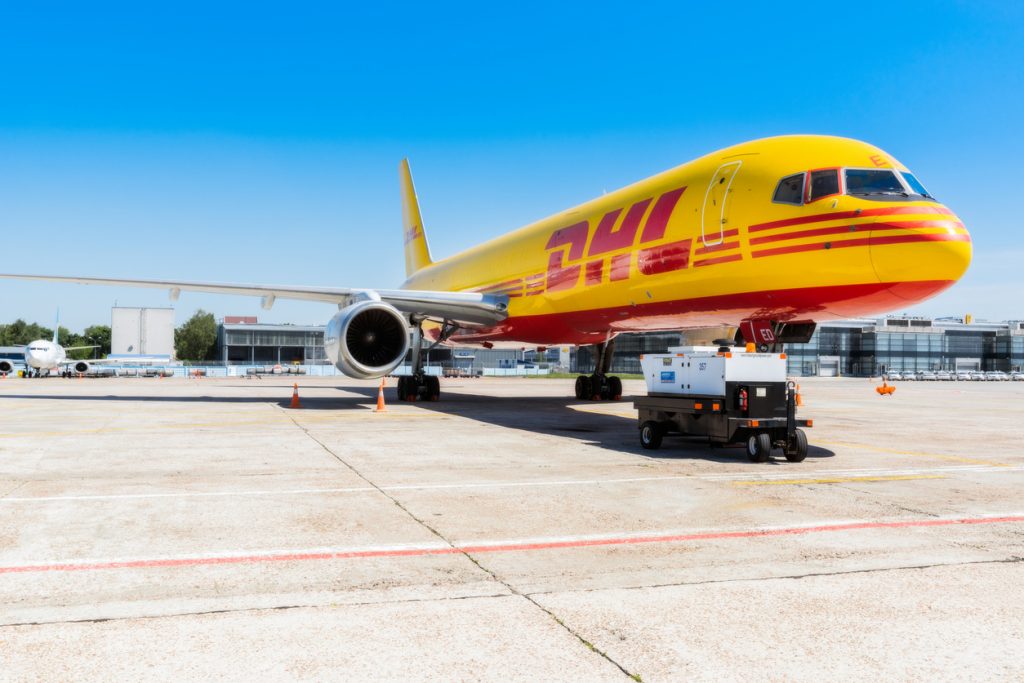
Airport turnaround performance in Africa is closely connected to how efficiently an aircraft can be serviced between arrival and departure. During this period, passengers leave and board the aircraft, baggage and cargo are unloaded and loaded, cleaning and catering may take place, refuelling is completed, ground equipment is positioned and the aircraft is prepared for its next flight.
A slow turnaround can affect more than one flight. When an aircraft departs late, the delay can continue through subsequent sectors, affecting passengers, crew, airport resources and airline schedules.
IATA identifies safe, secure and on-time ground handling turnarounds as a priority for airlines and ground-handling providers. (IATA)
What Airport Turnaround Performance Measures
Airport turnaround performance is not simply about how quickly an aircraft leaves the stand. It measures how reliably the different activities required between arrival and departure are completed.
Important indicators can include:
- Actual turnaround time
- Scheduled versus actual departure time
- Baggage loading and unloading time
- Passenger boarding time
- Refuelling duration
- Aircraft cleaning time
- Catering completion time
- Cargo loading and unloading
- Ground support equipment availability
- Delays caused by ground operations
- Aircraft damage or safety incidents
Looking at these indicators helps airlines and airport operators identify exactly where time is being lost instead of treating every delay as a general airport problem.
Why Turnaround Performance Can Be Challenging in Africa
African airports operate under very different infrastructure, traffic and operational conditions.
Some airports have modern terminals, extensive ground equipment and established digital systems, while others face constraints involving facilities, staffing, equipment availability and operational coordination.
AFRAA has identified operational efficiency as a major priority for African aviation, alongside safety and connectivity. It has also highlighted the need for stronger collaboration between stakeholders involved in airport and airline operations. (Afraa)
This means turnaround performance needs to be assessed according to the specific airport, aircraft type, traffic levels and available resources rather than using one standard expectation for every African airport.
Ground Support Equipment Directly Affects Turnaround
Ground support equipment is essential to aircraft servicing.
Baggage tractors, belt loaders, pushback tractors, ground power units, passenger stairs, catering vehicles and other equipment must be available when required. If equipment is missing, poorly maintained or allocated to another aircraft, a relatively simple turnaround activity can become a delay.
IATA describes GSE as essential to safe and efficient airport operations and notes that its design and functionality affect both operational efficiency and ground-worker safety. (IATA)
Equipment management therefore needs to include preventive maintenance, appropriate fleet sizing, positioning and rapid response when equipment becomes unavailable.
Staff Coordination Is Just as Important
An aircraft turnaround involves several teams working at the same time.
Ramp personnel, baggage teams, passenger-service staff, catering crews, fuelling teams, maintenance personnel and flight crews may all need access to the aircraft or stand.
If these teams work sequentially when tasks could safely happen simultaneously, valuable time can be lost.
IATA recommends analysing operations, preparing for flights in advance and coordinating closely with airports and ground service providers when improving aircraft turnaround. (IATA)
The goal is not simply to make workers move faster. It is to make sure each team knows when it is needed, has the correct equipment and can complete its task without unnecessarily waiting for another team.
Baggage and Cargo Can Become Bottlenecks
Baggage handling has a direct relationship with aircraft turnaround.
When baggage arrives late at the aircraft, loading may be delayed. Mishandled baggage can also create additional searches, offloading activities or documentation work.
Cargo can create similar challenges, particularly when shipments require special handling or documentation.
Airports handling significant cargo volumes therefore need appropriate warehouse capacity, loading equipment, trained personnel and effective communication between cargo handlers, airlines and other logistics providers.
Standardised Procedures Improve Consistency
Turnaround performance becomes difficult to manage when every airline, ground handler or airport team follows substantially different procedures.
IATA’s Ground Operations Manual and Airport Handling Manual provide standardised approaches covering areas such as aircraft handling, baggage, load control, GSE management, safety and turnaround operations. IATA says standardisation can reduce operational complexity and variations while improving training and efficiency. (IATA)
For African airports serving multiple airlines, consistent procedures can make coordination easier, particularly where different ground service providers operate within the same facility.
Digital Turnaround Monitoring
Technology is increasingly being used to measure turnaround activities as they happen.
Instead of relying entirely on radio calls or manual updates, digital systems can record when specific turnaround tasks begin and end. This gives managers a clearer picture of where delays occur.
IATA’s work on AI-integrated turnaround systems describes how real-time information can be shared across multiple parties and notes that structured turnaround performance data can help identify opportunities to reduce ground-handling delays. (IATA)
Digital monitoring can help answer practical questions such as:
- Which turnaround task is consistently late?
- Which equipment causes the most interruptions?
- Which flights experience repeated ground delays?
- Are staffing levels adequate during peak periods?
- How does performance differ between airport stands?
- Which delays are within the ground team’s control?
How to Improve Airport Turnaround Performance in Africa
Airports and airlines can improve turnaround performance by focusing on the causes of delays rather than simply setting shorter turnaround targets.
Useful measures include:
- Analyse turnaround data: Identify recurring delays and their causes.
- Prepare before aircraft arrival: Ensure staff, equipment and services are ready in advance.
- Maintain GSE: Reduce interruptions caused by unavailable equipment.
- Improve communication: Give teams timely information about aircraft arrival and operational changes.
- Standardise procedures: Reduce unnecessary variations between airlines and service providers.
- Train personnel: Ensure workers understand safety and turnaround procedures.
- Coordinate resources: Position equipment and staff where they are needed.
- Monitor performance: Compare planned and actual turnaround milestones.
- Use digital systems: Improve visibility of activities and delays.
- Protect safety standards: Never sacrifice safety simply to achieve a shorter turnaround.
IATA specifically stresses that faster ground time should not come at the expense of safety. (IATA)
How Travo.ng Can Support the Logistics Around Airport Operations
Travo.ng can support the wider travel and logistics activities surrounding airport operations, while specialist airport teams continue to handle aircraft-specific ground operations.
For example, aviation personnel arriving in Nigeria for an airport project may need airport pickup, hotel accommodation, vehicle hire and transportation between the airport, hotel, office or project site. Travo.ng can help coordinate these requirements.
Businesses involved in aviation may also need transportation or delivery support for documents, equipment and other items moving between airports and destinations within Nigeria.
This makes Travo.ng useful around the operational side of aviation: it helps coordinate the movement of people and relevant logistics outside specialist aircraft handling functions. Travo.ng should not be confused with an airline, airport authority or specialist ground-handling company.
Measuring Turnaround Performance Properly
A useful turnaround programme needs clear performance targets and consistent data.
Instead of looking only at average turnaround time, airport operators should examine individual stages of the process. An average may hide repeated delays affecting particular aircraft types, stands, airlines or time periods.
Useful KPIs include:
- Average turnaround duration
- Percentage of flights departing within the planned turnaround window
- Ground delay minutes
- GSE availability
- Baggage-loading performance
- Passenger boarding duration
- Number of turnaround-related incidents
- Frequency of equipment-related delays
- Number of repeated delays by service category
This makes performance management more actionable because airport managers can identify the specific process requiring attention.
The Future of Airport Turnaround Performance in Africa
Improving turnaround performance will become increasingly important as African aviation networks expand. AFRAA has described stronger operational efficiency as one of the continent’s key aviation priorities, while IATA continues to promote standardisation, digitalisation and improved ground-operation practices. (Afraa)
The most effective approach is unlikely to come from simply demanding shorter turnaround times. Airports need reliable equipment, trained workers, standardised procedures, accurate operational data and stronger coordination between airlines, airports and ground service providers.
When these elements work together, aircraft can spend less time waiting on the ground without compromising the safety, service quality and operational controls required for African aviation.
