


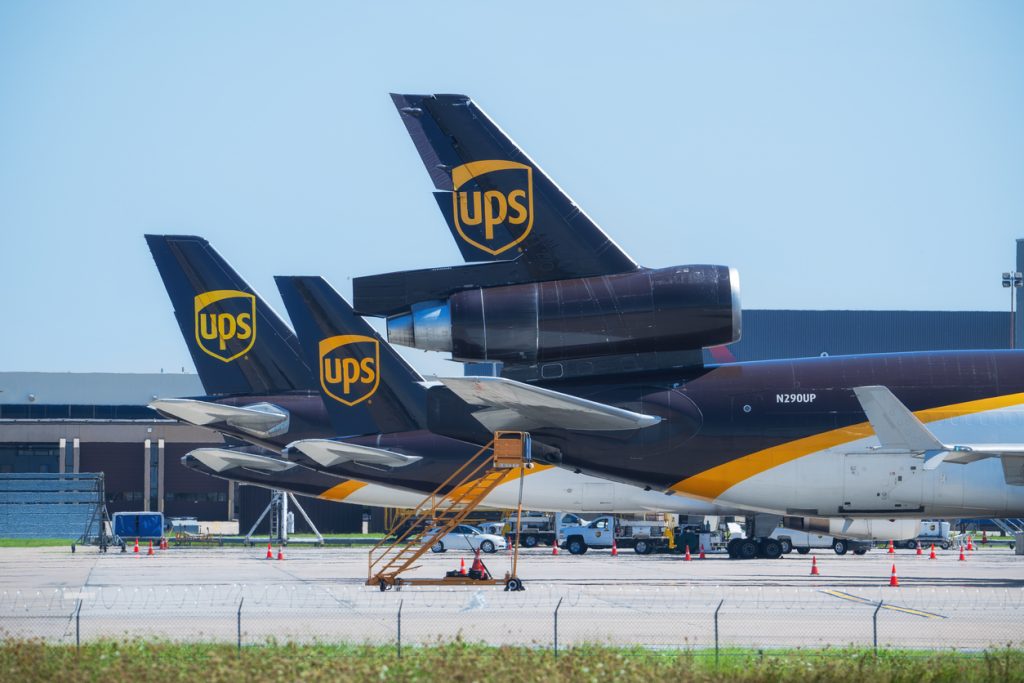
Aviation logistics experts Africa help airlines, airports, cargo companies, ground handlers and other aviation businesses manage the movement of aircraft-related resources, passengers, cargo, equipment and information.
Their work can cover everything from aircraft turnaround and ground handling to air cargo planning, warehouse operations, transport coordination, safety procedures and logistics technology. The aim is to make aviation operations safer, more coordinated and more efficient.
The need for specialised expertise is particularly relevant in Africa, where airport infrastructure, ground handling standards and logistics capabilities can vary significantly between locations. AFRAA notes that ground-handling standards vary widely across African airports, while passenger and cargo facilities can be inadequate or limited in some locations. (Afraa)
What Aviation Logistics Experts Actually Do
Aviation logistics specialists can work across several parts of the aviation supply chain.
Their responsibilities may include:
- Airport and ground operations analysis
- Aircraft turnaround planning
- Ground handling improvement
- Air cargo strategy
- Cargo terminal planning
- Warehouse and storage optimisation
- Baggage operations
- Ground Support Equipment planning
- Aviation supply chain management
- Logistics network design
- Safety and regulatory compliance
- Operational performance analysis
- Digital logistics implementation
- Staff training and operational procedures
The exact role depends on whether the specialist is working for an airline, airport, ground handling company, cargo operator or logistics provider.
Ground Handling Expertise in African Aviation
Ground operations are one of the areas where specialist knowledge can make a significant difference.
An aircraft turnaround involves multiple teams working within a limited period. Baggage handlers, ramp teams, passenger service staff, catering teams, fuelling personnel, load controllers and equipment operators all need to coordinate their activities.
IATA’s ground operations standards cover areas including aircraft handling, cargo and mail, load control, Ground Support Equipment, safety and training. IATA also says standardisation can improve operational efficiency, training and safety while reducing complexity. (IATA)
An aviation logistics expert may therefore examine how these activities interact and identify where delays, duplicated work or equipment shortages are affecting performance.
Air Cargo and Aviation Logistics Specialists
Cargo is another major area requiring specialist expertise.
Air cargo specialists can help organisations understand cargo demand, identify suitable markets, improve cargo processes and develop strategies for general and specialised shipments.
IATA Consulting, for example, offers air cargo strategy and forecasting services covering market analysis, cargo operations, performance benchmarking and compliance. (IATA)
For African businesses, expertise may be particularly useful when dealing with:
- Perishable goods
- Pharmaceuticals
- Express shipments
- High-value cargo
- E-commerce deliveries
- Aircraft spare parts
- Import and export cargo
- Temperature-sensitive products
Cargo specialists can also examine how airport facilities connect with freight forwarders, customs, warehouses and road transportation.
Airport Logistics and Infrastructure Planning
Aviation logistics experts may also be involved before an airport facility is expanded or redesigned.
They can assess questions such as:
- How much cargo can the existing terminal process?
- Are warehouse facilities adequate?
- Is there enough cold-chain capacity?
- Can aircraft stands support expected traffic?
- Is GSE positioned efficiently?
- Where are bottlenecks occurring?
- How should passenger and cargo flows be separated?
- What infrastructure will be required as traffic increases?
IATA Consulting says its aviation consulting work covers airports, airlines, ground handling service providers and cargo companies, including infrastructure, operational efficiency and digital solutions. (IATA)
Safety and Compliance Expertise
Aviation logistics is not simply about moving things faster. Safety and regulatory compliance are fundamental to airport operations.
Specialists may review operating procedures, ramp activities, training systems, risk controls and compliance with industry requirements.
IATA’s consulting services for ground handling include safety management systems, regulatory compliance, ramp safety audits, risk management and preparation for ISAGO. (IATA)
AFRAA also promotes the use of recognised safety and operational frameworks, including ISAGO and the IATA Ground Operations Manual, among African aviation stakeholders. (Afraa)
Digital Aviation Logistics Expertise
Modern aviation logistics increasingly depends on data and digital systems.
Experts may help organisations introduce systems for:
- Cargo tracking
- Equipment monitoring
- Digital documentation
- Warehouse management
- Flight and turnaround coordination
- Shipment visibility
- Performance reporting
- Data analysis
Digitalisation can be particularly useful where several organisations need to exchange information. IATA’s Operational Portal, for example, provides airlines and ground handling service providers with access to operational standards and tools for exchanging operational information. (IATA)
For African aviation operators, technology needs to be matched with reliable infrastructure, appropriate training and cooperation between stakeholders.
How to Choose Aviation Logistics Experts in Africa
Companies looking for aviation logistics specialists should first define the specific problem they need to solve.
A cargo operator needing to improve warehouse performance may require a different specialist from an airline trying to reduce aircraft turnaround delays.
Useful areas to evaluate include:
- Aviation experience: Look for specialists with relevant airline, airport, cargo or ground operations experience.
- Technical knowledge: Their expertise should match the specific logistics problem.
- Regional understanding: African airport infrastructure and regulatory environments differ between countries.
- Safety knowledge: Ground and cargo operations require strong understanding of aviation safety requirements.
- Data capability: Specialists should be able to use operational information to identify bottlenecks.
- Implementation experience: A useful consultant should be able to translate recommendations into practical operational changes.
- Training capability: Staff development may be necessary when new procedures or systems are introduced.
How Travo.ng Can Support Aviation Logistics
Travo.ng is not an aviation consulting firm or specialist aircraft ground-handling provider. Its role can instead complement aviation logistics experts by supporting the wider movement of people and goods around travel operations.
For example, an aviation company bringing consultants or technical personnel into Nigeria may require airport transfers, hotel reservations, vehicle hire and travel booking. A business coordinating aviation-related logistics may also need transportation or delivery arrangements connected to its wider operation.
Travo.ng can support these practical travel and logistics requirements, allowing specialist aviation consultants and operators to focus on their technical responsibilities while related movement and travel arrangements are coordinated separately.
Where Aviation Logistics Expertise Is Most Valuable
Aviation logistics experts can be particularly useful when an organisation is experiencing recurring operational problems rather than a one-off delay.
Examples include:
- Repeated aircraft turnaround delays
- Cargo processing bottlenecks
- Poor warehouse utilisation
- High ground handling costs
- GSE availability problems
- Weak shipment visibility
- Inconsistent operating procedures
- Safety or compliance gaps
- Poor coordination between airport stakeholders
- Difficulty expanding cargo operations
A specialist can map the existing process, identify the source of inefficiencies and develop practical changes that can be measured over time.
Building Stronger Aviation Logistics in Africa
Africa’s aviation logistics sector requires expertise that combines international aviation standards with an understanding of local operating conditions.
Industry organisations such as IATA provide global standards and consulting capabilities, while AFRAA works specifically with African airlines and aviation stakeholders on areas including technical operations, safety, training and commercial development. (Afraa)
For airlines, airports, cargo companies and ground handlers, the right expertise can help connect infrastructure, people, technology and procedures into a more coordinated logistics operation.
The objective is not simply to move aircraft, passengers or cargo faster. It is to build aviation logistics systems that are safe, reliable, measurable and capable of supporting the changing needs of African air transport.
