


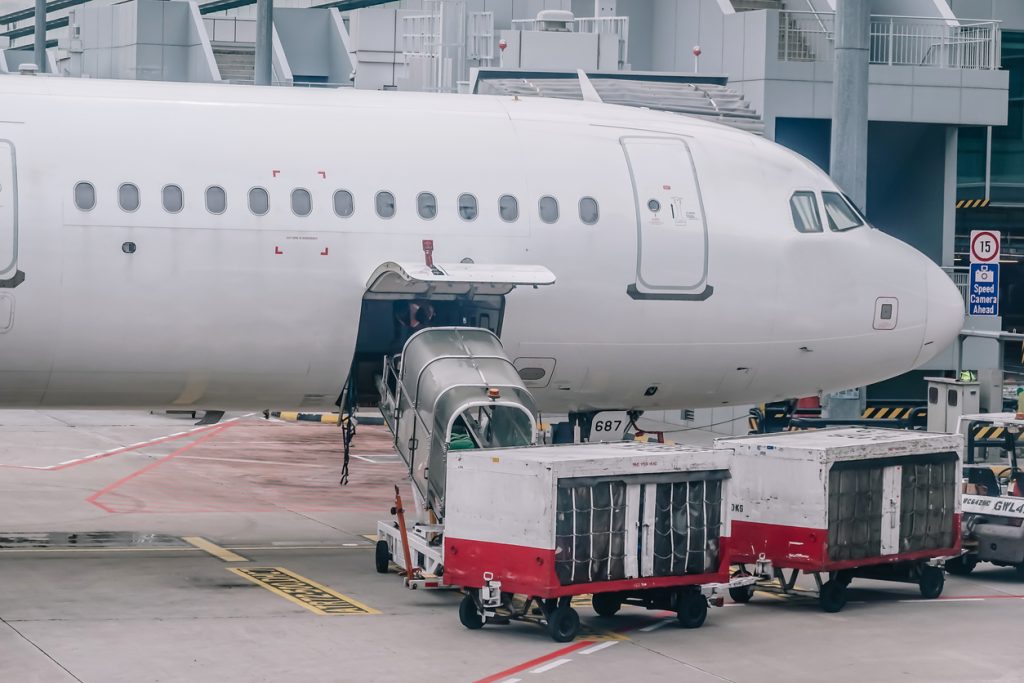
Aircraft ground support services Africa covers the equipment, personnel and operational activities required to prepare, service and move aircraft safely while they are on the ground. From the moment an aircraft arrives at an African airport until it departs, several ground teams must coordinate baggage, cargo, passengers, equipment, fuelling, aircraft positioning and other turnaround activities.
Ground operations are an important part of airline performance because delays on the ground can affect departure schedules, connecting flights and airport capacity. IATA describes ground handling as an integral part of airline operations, with safety, punctuality, labour availability and operational efficiency among the major concerns facing the sector. (IATA)
What Aircraft Ground Support Services Include
Aircraft ground support is broader than simply moving equipment around an airport. Depending on the airport and service provider, it can include:
- Aircraft marshalling and ramp coordination
- Ground Support Equipment (GSE) operations
- Passenger boarding and disembarkation support
- Baggage loading and unloading
- Cargo handling
- Aircraft pushback and towing
- Ground power and air-conditioning support
- Cabin servicing and cleaning
- Water and lavatory servicing
- Loading and load-control support
- Ramp safety and aircraft movement coordination
- Security and other airport support activities
IATA’s ground handling partner directory includes services such as ramp services, passenger services, load control, cargo and mail warehouse services, security and other support functions. (IATA)
Ground Support Equipment at African Airports
Ground Support Equipment is essential for many aircraft servicing activities. Depending on the aircraft and airport, this can include baggage tractors, belt loaders, passenger stairs, ground power units, aircraft tugs, catering vehicles, water trucks and other specialised equipment.
The availability and condition of this equipment can directly affect turnaround times. If a required piece of equipment is unavailable or breaks down, another operation may have to wait before the aircraft can depart.
IATA also highlights the importance of GSE safety and design, noting that GSE plays a critical role in aircraft servicing and can affect operational efficiency, worker safety and aircraft ground-damage risk. (IATA)
Challenges Affecting Ground Support Services in Africa
Ground support operations across African airports can face several practical challenges.
AFRAA notes that ground-handling standards vary significantly between airports and that some facilities for passenger and cargo handling remain inadequate, limited or in poor condition. It also identifies high handling costs as an industry concern. (Afraa)
Common operational challenges include:
- Limited availability of modern GSE
- Equipment maintenance problems
- Shortage of trained ground personnel
- Congested ramps and parking stands
- Poor coordination between different service teams
- Delays in baggage and cargo processing
- Inadequate passenger and cargo infrastructure
- Difficulties maintaining consistent operating standards
- High operating and handling costs
These problems become more significant when several aircraft are being handled at the same time and equipment or staff have to be shared between flights.
Why Ground Support Coordination Matters
An aircraft turnaround involves several activities happening within a limited period. Baggage may need to be unloaded while cleaning crews prepare the cabin and catering teams service the aircraft. At the same time, passengers are boarding, cargo is being processed and the aircraft may require power, water or other services.
Poor coordination between these activities can create avoidable waiting time.
Effective ground support therefore requires clear communication, properly trained personnel, reliable equipment and defined responsibilities. Standardised procedures can also help different airlines, airports and ground service providers work more consistently.
IATA promotes standardisation in ground operations through industry standards and initiatives such as the IATA Ground Operations Manual and ISAGO safety auditing. (IATA)
Technology and the Future of Aircraft Ground Support
Technology is becoming increasingly important in airport ground operations. Digital systems can help teams monitor equipment, coordinate aircraft turnaround activities, manage baggage and improve communication between operational departments.
Modern GSE is also becoming more connected and, in some cases, automated. Electric GSE is being adopted as part of efforts to reduce emissions, noise and maintenance requirements, while enhanced GSE technologies can help reduce the risk of aircraft ground damage. (IATA)
For African airports, technology can be particularly useful when it is introduced alongside improvements in infrastructure, staff training and operational procedures rather than treated as a standalone solution.
Choosing Aircraft Ground Support Providers in Africa
Airlines and airport operators evaluating ground support providers should look beyond the availability of equipment.
Important considerations include:
- Safety standards: Check the provider’s safety procedures, training and relevant industry certifications or audits.
- Equipment availability: Ensure the provider has the GSE required for the aircraft types being handled.
- Staff capacity: Ground operations require enough trained personnel to handle aircraft without creating unnecessary delays.
- Operational coverage: Consider whether the provider can support the required airports and operating schedules.
- Cargo and baggage capability: These services can have a major effect on turnaround performance.
- Communication: Reliable coordination between airline, airport and ground teams is essential.
- Contingency planning: Providers should have procedures for equipment breakdowns, schedule changes and other operational disruptions.
How Travo.ng Can Support Aviation Travel and Logistics
Travo.ng can support the wider travel and logistics requirements surrounding aviation operations in Africa. While specialist aircraft ground handling remains the responsibility of qualified airport and aviation service providers, travel and logistics requirements often continue outside the aircraft’s immediate ground-handling operation.
For example, Travo.ng can assist with airport transfers, travel bookings, hotel reservations, vehicle hire and delivery or logistics coordination where required. An airline team, aviation contractor or travelling business group arriving in Lagos, Abuja, Accra or another African destination may need transportation from the airport, accommodation and onward movement after the aircraft operation has been completed.
This gives organisations a way to coordinate related travel and logistics requirements alongside their wider aviation activities rather than managing every movement separately.
Improving Aircraft Ground Support Services in Africa
Improving aircraft ground support requires investment in both physical resources and people. Airports and service providers need reliable equipment, properly maintained facilities, trained staff and clear operating procedures.
Better coordination between airlines, airports, ground handlers and logistics providers can also reduce unnecessary waiting time. Digital systems can improve visibility, while standardised procedures can make operations more predictable across different locations.
As African aviation networks expand, efficient ground support will remain important to keeping aircraft moving safely and maintaining reliable airport operations. The quality of ground support can influence turnaround performance, passenger experience, cargo movement and the overall efficiency of an airport.
