


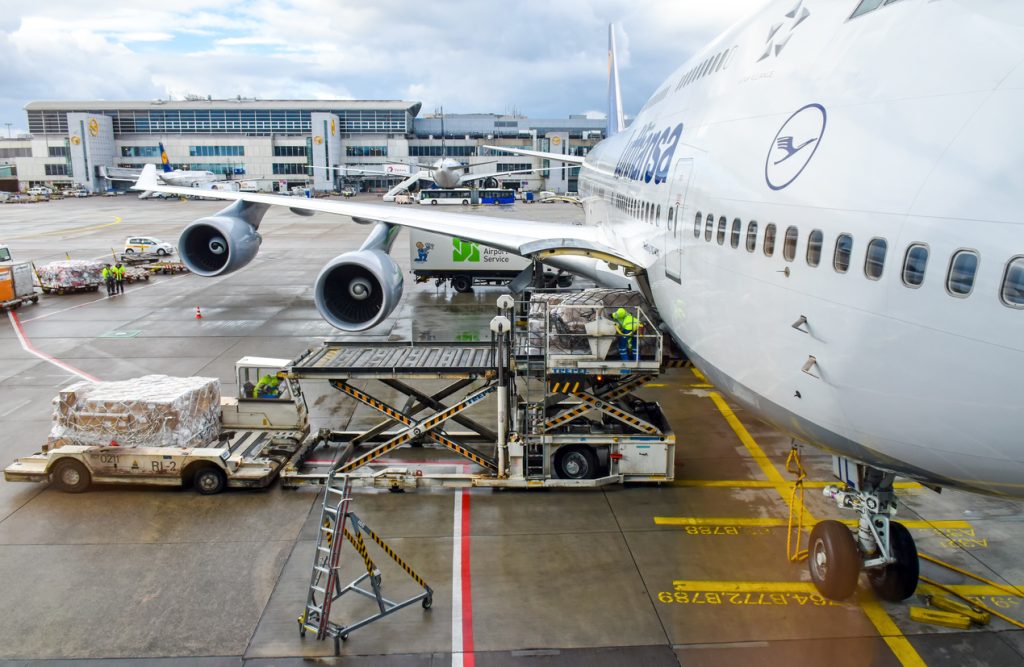
Airport logistics outsourcing in Africa involves using specialised external companies to manage selected operational, transportation or support activities instead of handling everything internally. Airlines, airports, cargo operators and other aviation businesses may outsource services such as ground handling, baggage operations, cargo warehousing, passenger services, transport coordination and equipment support.
Outsourcing can allow aviation companies to access specialised skills, equipment and established operating systems without building every capability themselves. However, the quality of the outsourced service depends heavily on the provider, contract, supervision, training and infrastructure available at the airport.
IATA identifies standardisation as an important part of safe and efficient ground operations, while its ground-handling partner directory includes providers offering services such as ramp operations, passenger services, cargo warehousing, load control and support services. (IATA)
What Airport Logistics Services Can Be Outsourced?
Airport logistics outsourcing can cover different activities depending on the airport and the requirements of the airline or operator.
Common examples include:
- Aircraft ground handling
- Baggage handling
- Cargo and mail handling
- Passenger services
- Ramp operations
- Ground transportation
- Cargo warehousing
- Ground support equipment management
- Aircraft cleaning
- Catering logistics
- Crew transportation
- Airport transfer services
- Logistics and supply-chain support
Not every provider offers all these services. An airline may therefore use different specialist contractors for different parts of its airport operation.
Why African Aviation Businesses Use Outsourcing
Running airport logistics internally can require substantial investment in personnel, equipment, training, facilities and management systems.
Outsourcing can give an airline or aviation company access to an existing operational workforce and equipment fleet. It can also allow the company to focus its internal resources on its core aviation activities.
For example, an airline operating at several African airports may contract qualified ground service providers rather than establishing a complete ground-handling department at every location.
The IATA Standard Ground Handling Agreement provides a framework commonly used by airlines and ground service providers to define services, operational requirements, standards, costs and responsibilities. (IATA)
Ground Handling Is a Major Outsourcing Area
Ground handling is one of the most significant areas where airport logistics services can be contracted out.
Depending on the agreement, a ground handler may provide passenger handling, baggage services, ramp operations, cargo handling, aircraft servicing and other activities.
IATA’s Airport Handling Manual covers areas including passenger handling, cargo and mail, aircraft handling and loading, load control, safety, ground support equipment and training. (IATA)
This means outsourcing ground operations is not simply a matter of hiring additional workers. The airline and service provider need clear procedures covering exactly what the contractor is responsible for.
Infrastructure Can Affect Outsourcing Performance
Outsourcing does not remove the underlying infrastructure challenges at an airport.
AFRAA states that ground-handling standards vary widely across African airports and points to inadequate or limited passenger and cargo infrastructure at many airports. It also identifies high handling costs as a concern. (Afraa)
A contracted ground handler may have experienced personnel and appropriate procedures but still face difficulties if an airport lacks sufficient cargo facilities, parking stands, equipment areas, storage capacity or other infrastructure.
For this reason, outsourcing contracts need to consider the actual operating conditions at each airport.
Choosing an Airport Logistics Outsourcing Provider
Airlines and aviation companies should assess potential contractors carefully before transferring operational responsibilities.
Important areas to examine include:
- Relevant airport experience
- Staff qualifications and training
- Equipment availability
- Safety management systems
- Regulatory compliance
- Insurance and liability arrangements
- Cargo-handling capabilities
- Service coverage at required airports
- Emergency and contingency procedures
- Reporting and performance monitoring
- Ability to meet agreed service levels
The cheapest contract may not necessarily provide the operational capability required for a particular airport or airline.
IATA’s ISAGO framework is designed around safe, standardised and consistently managed ground operations, including management processes, training, oversight and continuous improvement. (IATA)
Service-Level Agreements Matter
A strong outsourcing arrangement should define measurable expectations.
The contract can specify requirements such as turnaround support, baggage delivery, cargo handling, equipment availability, reporting, staffing and incident management.
Performance indicators can then be used to determine whether the provider is meeting the agreed standard.
This is particularly important when an airline operates at multiple airports. Consistent reporting makes it easier to identify where delays, service failures or safety issues are occurring.
Technology Can Improve Outsourced Airport Logistics
Digital systems can make outsourced operations easier to monitor.
Airlines and airport operators can use digital platforms to track operational tasks, equipment, cargo movements, baggage status and service performance.
IATA’s ground-operations standards also support digitalisation and information exchange between airlines and ground service providers. (IATA)
Better information sharing can reduce situations where the airline does not know whether a task has been completed until a delay has already occurred.
For cargo operations, digital visibility can also help businesses coordinate warehouse movements, customs processes and onward transportation.
Outsourcing Cargo and Warehouse Operations
Cargo logistics is another area where outsourcing can provide access to specialised facilities and personnel.
A cargo handler may operate warehouses, manage cargo acceptance and delivery, handle special shipments and provide temperature-controlled facilities where required.
The need for specialised handling is particularly relevant to pharmaceuticals, fresh produce and other time-sensitive goods.
African aviation businesses therefore need to assess whether a contractor has the warehouse capacity, equipment, security procedures and specialised capabilities required for the cargo being handled.
How Travo.ng Can Support Outsourced Airport Logistics
Travo.ng can support the travel and transportation activities surrounding aviation operations, but it should not be confused with a specialist airport ground-handling contractor.
For example, an aviation company outsourcing its ramp or cargo operations may still need to arrange airport transfers, accommodation and vehicle hire for staff working on a project in Lagos, Abuja or another African aviation hub.
Travo.ng can assist with relevant travel bookings, hotel reservations, airport transfers, vehicle hire and transportation coordination. These services can complement specialist aviation contractors by handling the wider movement requirements around airport operations.
Travo.ng does not replace qualified providers responsible for aircraft handling, baggage operations, ramp services, refuelling or other regulated airside activities.
Managing Outsourced Operations Across Multiple Airports
One challenge for African airlines is maintaining consistent service when different contractors operate at different airports.
An airline may have one provider at Lagos, another at Nairobi and another at Johannesburg. Each location can have different infrastructure, equipment, staffing levels and operating procedures.
Standardised requirements can help reduce these differences.
IATA’s IGOM is specifically designed to standardise ground-handling processes and reduce complexity when airlines, airports and ground service providers work together. (IATA)
Airlines can combine these standards with airport-specific requirements, local regulations and clearly defined contracts.
Building Better Outsourced Airport Logistics
Airport logistics outsourcing can provide African aviation businesses with access to specialist capabilities without requiring every operation to be managed internally. However, successful outsourcing depends on more than signing a contract.
Airlines and airport operators need capable service providers, clear responsibilities, measurable service levels, trained personnel, reliable equipment and effective oversight.
As African aviation networks continue to develop, outsourcing can remain useful for ground handling, cargo operations, passenger services and supporting transportation. The key is ensuring that the outsourced activity is matched with the right specialist provider and properly integrated into the airline’s wider logistics operation.
