


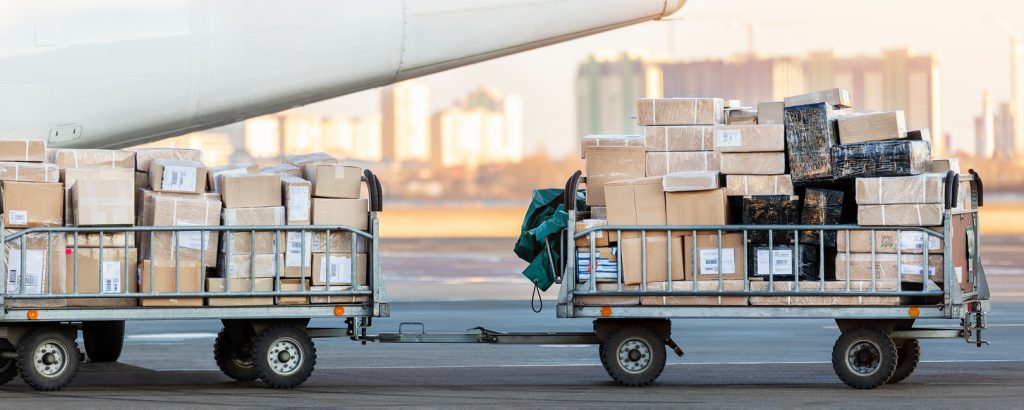
Aviation logistics innovation in Africa is changing how airports, airlines, cargo operators and ground handlers manage the movement of aircraft, passengers, baggage, cargo, equipment and operational resources.
Innovation is no longer limited to new airport buildings or aircraft. Digital systems, artificial intelligence, automation, connected equipment, real-time data and more efficient supply-chain processes are increasingly being used to improve aviation operations.
IATA’s 2026 Focus Africa programme identifies digital innovation and operational efficiency as important areas for strengthening African aviation, alongside safety and connectivity. (IATA)
Where Aviation Logistics Innovation Is Happening
Innovation can affect almost every stage of the aviation logistics chain.
Examples include:
- Digital cargo documentation
- Real-time shipment tracking
- Automated warehouse systems
- Artificial intelligence for operational decisions
- Digital aircraft loading
- Smart ground support equipment
- Automated baggage handling
- Predictive maintenance
- Electronic communication between airport stakeholders
- Data-driven resource planning
- Electric ground support equipment
The objective is not simply to introduce new technology. The technology needs to solve practical problems such as delays, poor visibility, equipment shortages, manual processes and inefficient coordination.
AI and Aviation Logistics
Artificial intelligence is becoming increasingly relevant to aviation logistics.
AI can help analyse large amounts of operational data, identify patterns, predict potential disruptions and support decision-making.
IATA announced several 2026 initiatives involving AI in air cargo, including tools to help operational teams find information quickly, collaboration between airlines, ground handlers and regulators, and exploration of AI-enabled interoperability between different cargo IT systems. (IATA)
For African operators, potential applications include predicting cargo demand, identifying supply shortages, improving resource allocation and supporting faster responses to operational disruptions.
AI should complement trained aviation professionals rather than replace the human oversight required for safety-critical operations.
Digitalising Air Cargo Logistics
Air cargo is one of the areas where digitalisation can make a significant difference.
Traditional processes can involve multiple companies exchanging documents and information through separate systems. This can make it difficult to know exactly where a shipment is or who is responsible for the next stage.
IATA says digitalisation and data sharing are helping move air cargo away from fragmented manual processes toward shared information across the value chain. (IATA)
For African cargo operators, better digital connections between airlines, freight forwarders, cargo terminals, customs authorities and road transport providers can improve shipment visibility and reduce unnecessary paperwork.
Smart Ground Support Equipment
Ground support equipment is another area experiencing innovation.
Modern GSE can incorporate technologies designed to improve safety, positioning and operational efficiency. Electric equipment can also reduce emissions and noise around airport ramps.
IATA reported in 2026 that it is encouraging both enhanced GSE with anti-collision technology and the transition toward electric GSE. It also reported that electric GSE can reduce turnaround emissions by 35% to 52%, depending on equipment mix and electricity source. (IATA)
For African airports, adoption will depend on factors such as equipment costs, electricity availability, charging infrastructure, maintenance capabilities and operational requirements.
Digital Baggage and Aircraft Loading
Baggage handling is another area where better information can improve logistics.
Technologies such as RFID, Bluetooth Low Energy and electronic bag tags can improve visibility of baggage as it moves through an airport.
Aircraft loading is also becoming more digital. IATA is promoting the X565 data standard to improve how loading information is shared between relevant systems. (IATA)
This can reduce dependence on manual information exchange and help ground teams make faster, more accurate decisions.
Predictive Maintenance and Connected Aircraft
Maintenance logistics can also benefit from connected data.
Instead of waiting for equipment or aircraft components to fail, predictive systems can analyse operational information and identify potential maintenance requirements earlier.
This can be particularly valuable for aircraft spare parts and technical logistics. IATA’s 2026 aviation supply-chain priorities include improving supply-chain visibility and using data, digitalisation and AI to improve inventory management and identify potential shortages. (IATA)
For African airlines, better visibility of parts and maintenance requirements can help reduce unnecessary waiting and improve planning.
Innovation Must Match African Operating Conditions
Technology alone cannot solve every aviation logistics problem.
African airports operate with different levels of infrastructure, connectivity, investment, staffing and technical capability. A sophisticated digital system may deliver limited value if the supporting infrastructure or workforce is not ready for it.
ACI Africa has previously highlighted differences in technological readiness among African airports, while identifying technologies such as biometrics, artificial intelligence, robotics and predictive maintenance as potential areas for airport transformation. (ACI Africa)
Innovation therefore needs to be practical, scalable and appropriate to the operating environment.
Skills and People Still Matter
The move toward automation does not remove the need for skilled aviation professionals.
Ground handlers, cargo teams, maintenance personnel, airport operators and logistics managers need to understand new systems and know how to respond when technology does not work as expected.
IATA’s current ground-operations work emphasises combining AI and automation with human expertise to improve safety, efficiency and resilience. (IATA)
Training should therefore form part of every major technology implementation rather than being treated as an afterthought.
How Travo.ng Can Support Aviation-Related Logistics
Travo.ng is not an aviation technology company, airport operator or specialist ground-handling provider. Its role is in the wider travel and transportation network surrounding aviation activity.
For example, an aviation company introducing new logistics technology in Nigeria may have consultants, engineers, technicians or project teams travelling between airports, hotels, offices and operational sites.
Travo.ng can support these practical mobility requirements through airport transfers, travel bookings, hotel reservations, vehicle hire and relevant transportation coordination.
This allows specialist aviation teams to focus on technology implementation, airport operations and logistics projects while their associated travel arrangements are handled separately.
Building the Next Generation of African Aviation Logistics
The future of aviation logistics in Africa is likely to involve a combination of digital systems, better data, automation, modern equipment and skilled personnel.
The most useful innovations will be those that solve specific operational problems rather than technology introduced simply because it is new.
For African airports and airlines, this could mean better cargo visibility, smarter GSE, more accurate aircraft loading, predictive maintenance, improved baggage tracking and faster communication between different logistics partners.
As aviation networks expand, innovation can help African operators make better use of existing infrastructure while preparing their logistics systems for increasing passenger and cargo demand.
