


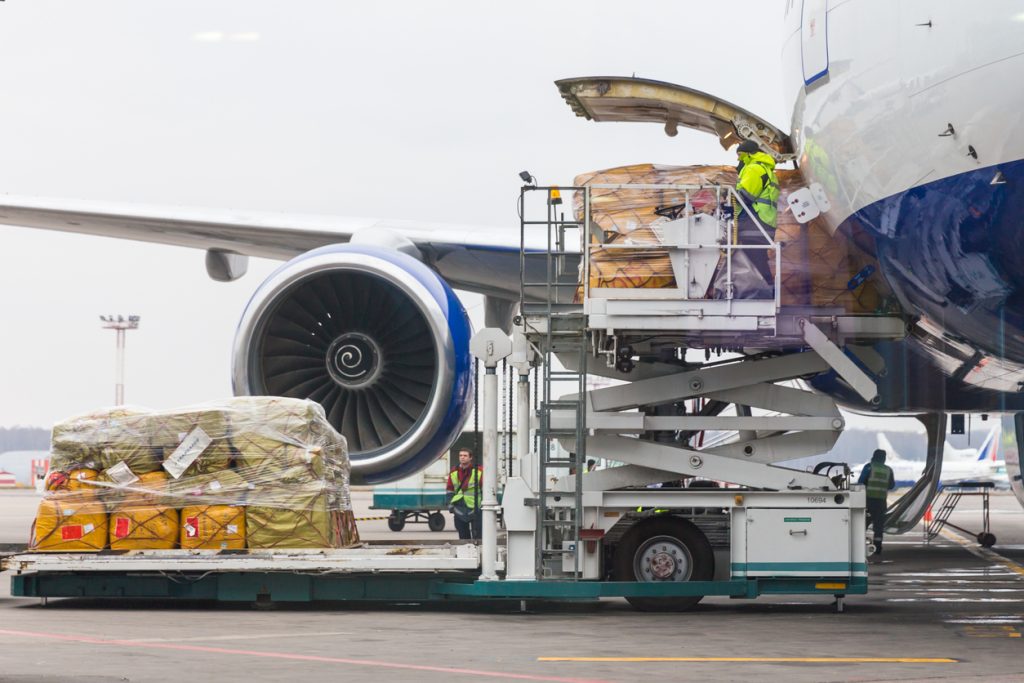
Ground support logistics in Africa covers the movement, coordination and availability of the people, equipment, supplies and services needed to keep aircraft operations running while planes are on the ground.
An aircraft turnaround involves many activities happening within a limited period. Baggage must be moved, cargo loaded, passengers handled, aircraft serviced, equipment positioned and other ground tasks completed before departure. IATA describes ground handling as an integral part of airline operations, with aircraft, ground support equipment and personnel operating together in a confined ramp environment. (IATA)
For African airports, effective ground support logistics is therefore important for safety, turnaround performance and reliable flight operations.
What Ground Support Logistics Covers
Ground support logistics is broader than simply supplying equipment.
It can include:
- Ground support equipment allocation
- Baggage and cargo movement
- Aircraft towing and pushback support
- Ground power and servicing equipment
- Ramp transportation
- Fuel and catering logistics
- Passenger boarding support
- Equipment maintenance
- Spare parts and consumables
- Staff and crew coordination
- Ground handling supplies
- Turnaround resource planning
Each activity needs to be coordinated with the aircraft’s arrival and departure schedule.
Ground Support Equipment Availability
Ground support equipment, or GSE, is one of the most important parts of airport ground logistics.
Equipment can include belt loaders, baggage tractors, passenger stairs, aircraft tugs, ground power units, catering vehicles and other specialised vehicles.
When the right equipment is unavailable, an otherwise straightforward turnaround can be delayed. Equipment also needs to be positioned where it can be accessed quickly and maintained so that failures do not disrupt operations.
IATA notes that GSE is essential for safe and efficient airport operations and that GSE operations are a significant contributor to aircraft ground damage. (IATA)
Moving Baggage and Cargo Efficiently
Baggage and cargo need to move between different points of an airport within tight timeframes.
Bags may travel from check-in areas to sorting systems, then to an aircraft stand. Cargo can move between warehouses, screening facilities, customs areas and aircraft loading zones.
Poor coordination can result in late loading, misplaced baggage, cargo waiting for equipment or aircraft departures being held while essential loads are completed.
Load-control and ramp teams also need accurate information. IATA identifies load reconciliation, baggage and cargo discrepancies, and communication between load-control and ramp personnel as areas requiring continued attention. (IATA)
Managing Ground Support Staff
People are a major part of ground support logistics.
Ramp agents, baggage handlers, equipment operators, load controllers, passenger service staff, supervisors and other workers all need to be available at the appropriate time.
This becomes more challenging during busy travel periods when several aircraft may require support simultaneously.
IATA identifies labour shortages alongside safety and on-time performance as continuing ground operations challenges. (IATA)
Good workforce planning can help ensure that the right number of trained personnel are available for scheduled aircraft movements without creating unnecessary resource gaps.
Equipment Maintenance and Spare Parts
Buying GSE is only one part of ground support logistics. Equipment must remain operational throughout its working life.
This requires:
- Preventive maintenance
- Regular inspections
- Replacement parts
- Qualified technicians
- Equipment records
- Battery or fuel management
- Backup arrangements for critical equipment
A belt loader or baggage tractor that fails during a busy turnaround can create a chain of delays if there is no replacement available.
For this reason, airport logistics planning needs to consider equipment reliability rather than simply counting the number of machines available.
Ground Support Logistics and Aircraft Turnarounds
Ground support logistics directly affects aircraft turnaround performance.
Several activities can take place simultaneously, but they still need to follow safe procedures and remain properly coordinated.
IATA’s ground operations standards emphasise safe, secure and on-time turnarounds, while standardisation is intended to reduce unnecessary variations and improve operational efficiency. (IATA)
For African airports, this means ground support planning should consider aircraft schedules, available equipment, staff shifts, stand locations, baggage requirements and potential disruptions before the aircraft arrives.
Digitalising Ground Support Logistics
Technology can give ground teams better visibility over resources and tasks.
Digital systems can help track equipment, monitor turnaround activities, communicate operational information and identify delays earlier.
IATA’s 2026 ground-handling priorities include stronger implementation of standards, modernising GSE fleets and greater digitalisation. (IATA)
Technology can also support more advanced forms of automation. IATA is developing guidance for autonomous GSE and digital airport mapping as the industry explores greater automation of ground operations. (IATA)
For African airports, the practical approach will depend on infrastructure, available investment, workforce skills and the operational requirements of each airport.
Sustainable Ground Support Logistics
Sustainability is becoming another consideration when airports plan ground support fleets.
Electric GSE can reduce local emissions and noise, although airports need suitable charging infrastructure and appropriate fleet planning before making the transition.
IATA’s 2026 industry review highlights the move toward electric ground services equipment and notes ongoing work around autonomous GSE and other lower-emission technologies. (IATA)
African airports considering these technologies will need to assess electricity availability, equipment costs, maintenance capabilities and operational requirements.
Training and Standardisation
Ground support logistics cannot operate effectively through equipment alone. Personnel need appropriate training and consistent procedures.
Standardised processes can help different teams understand their responsibilities and reduce variations between operations.
IATA’s ground operations framework includes standards covering aircraft handling, passenger and cargo operations, GSE management and ground operations training. (IATA)
ACI Africa also includes ground handling, airport operations, airport capacity and development among its professional training areas, reflecting the range of skills required to operate modern airports. (ACI Africa)
How Travo.ng Can Support Ground Logistics Around Airports
Travo.ng is not a specialist aircraft ground handler and does not provide ramp handling, aircraft towing, baggage handling or GSE operations.
Its role is on the wider travel and transportation side surrounding airport activity. For example, aviation companies may have technicians, consultants, managers or other personnel travelling into Nigeria for airport projects or operational work.
Travo.ng can support their airport transfers, hotel reservations, vehicle hire, travel bookings and relevant transportation coordination. Businesses working around airports may also need reliable movement between airports, hotels, offices, warehouses and project locations.
This allows Travo.ng to complement specialist aviation logistics and ground-handling providers without presenting itself as an aircraft servicing company.
Building More Reliable Ground Support Logistics
Ground support logistics in Africa depends on several connected resources working together. Equipment needs to be available, staff need to be trained, baggage and cargo need to move on schedule, and information needs to reach the right teams quickly.
Improving these areas can involve modern GSE, preventive maintenance, workforce planning, digital systems, standardised procedures and better coordination between airlines, airports and ground-handling companies.
As African aviation networks continue to develop, ground support logistics will remain an important part of keeping aircraft turnarounds safe, organised and predictable.
