


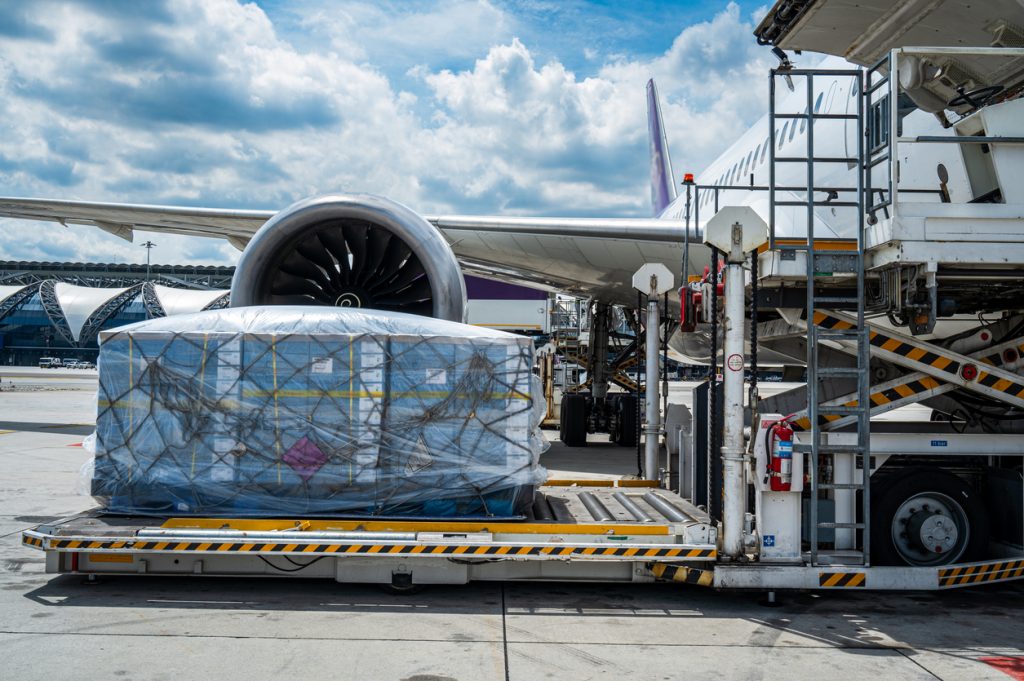
Airport logistics development in Africa involves improving the systems, infrastructure and transportation networks that allow passengers, cargo, aircraft equipment and airport supplies to move efficiently.
It goes beyond constructing airport terminals. Effective airport logistics depends on cargo facilities, warehouses, ground transportation, handling equipment, digital systems, road connections, trained personnel and coordination between airlines, airports, freight companies and other service providers.
This development is becoming increasingly important as African aviation and trade networks expand. IATA’s 2026 Focus Africa programme identifies infrastructure, connectivity, safety, sustainability and future skills as key areas for strengthening the continent’s aviation system. (IATA)
What Airport Logistics Development Involves
Airport logistics development can involve several connected areas:
- Cargo terminal expansion
- Airport warehousing
- Ground handling infrastructure
- Aircraft turnaround facilities
- Baggage handling systems
- Airport access roads
- Ground transportation networks
- Cold-chain facilities
- Digital cargo and logistics systems
- Ground support equipment
- Staff training and operational planning
The objective is to create a system where goods and people can move between aircraft, airport facilities and their final destinations without unnecessary delays.
Developing African Airport Cargo Infrastructure
Cargo infrastructure is particularly important for airports serving major commercial centres.
In 2024, several African airports recorded substantial cargo volumes. Cairo handled about 214,065 tonnes, OR Tambo about 201,967 tonnes, Addis Ababa about 165,091 tonnes and Jomo Kenyatta about 111,448 tonnes. Murtala Muhammed International Airport in Lagos handled about 86,115 tonnes. (ACI Africa)
These volumes demonstrate why cargo terminals, warehouses, handling equipment and onward transportation need to develop alongside passenger facilities.
A cargo development project may therefore include additional storage space, better loading areas, specialised facilities for perishables and pharmaceuticals, customs areas and improved connections to road transport.
Connecting Airports With Road Logistics
An airport is only one point in the supply chain.
A shipment arriving in Lagos, for example, may still need to travel by road to a warehouse, distribution centre, business premises or another Nigerian city. If transportation after airport arrival is poorly organised, the efficiency gained through air freight can be lost during the final stages.
Airport logistics development should therefore consider the roads surrounding airports, truck access, delivery schedules, warehouse locations and connections to major commercial centres.
This is especially important for time-sensitive cargo that cannot remain at an airport for extended periods.
Improving Ground Handling Infrastructure
Ground handling is another major component of airport logistics development.
Aircraft require baggage handling, cargo loading, passenger services, catering, cleaning, refuelling and other turnaround activities. These operations depend on sufficient equipment, space and trained personnel.
Modern ground infrastructure can include better aircraft stands, baggage systems, cargo handling equipment, ground support equipment and facilities for servicing aircraft.
The aim is not simply to make individual activities faster. The different teams need to work together so that one delayed operation does not hold up the entire aircraft turnaround.
Digitalisation of Airport Logistics
Technology is increasingly becoming part of airport logistics development.
Digital cargo documentation, shipment tracking, warehouse management systems, equipment tracking and real-time operational information can improve visibility across the supply chain.
IATA identified accelerating digitalisation, strengthening global standards and enhancing safety and security as three priorities for air cargo in 2026. (IATA)
For African airports, digitalisation can also help connect airlines, freight forwarders, customs authorities, cargo terminals and transport providers.
Better information sharing can make it easier to identify where a shipment or operational task is delayed.
Cold Chain and Special Cargo Facilities
Some goods require specialised infrastructure throughout their journey.
Pharmaceuticals, vaccines, fresh produce, flowers and other temperature-sensitive products may require controlled storage and transportation.
Airport logistics development can therefore include refrigerated warehouses, temperature-monitoring systems, appropriate loading facilities and reliable road transportation.
This can help African exporters connect agricultural and pharmaceutical products to international markets while reducing avoidable handling and storage problems.
Airport Logistics Development and Regional Trade
Airport logistics is also connected to the development of intra-African trade.
The Single African Air Transport Market aims to liberalise civil aviation across Africa and improve connectivity between countries. Better air connectivity can support tourism, business travel and trade, but airports also need logistics infrastructure capable of handling the resulting movement of people and goods. (IATA)
For example, stronger links between West African commercial centres can increase demand for cargo handling, warehousing, road transportation and airport-related business services.
Logistics development therefore needs to be planned alongside wider regional connectivity.
Funding and Long-Term Infrastructure Planning
Airport logistics projects require significant investment, and development decisions need to consider both current demand and future growth.
IATA’s 2026 infrastructure position calls for investment in affordable, efficient and sustainable infrastructure while also making better use of existing airport capacity through improved processes, regulations and technology. (IATA)
This means airport authorities do not necessarily need to build entirely new facilities for every problem. Upgrading existing warehouses, improving equipment utilisation, redesigning traffic flows or introducing better digital systems can also increase capacity.
Skills and Operational Capacity
Infrastructure alone cannot create an efficient airport logistics system.
Staff need to understand cargo handling, ground operations, safety procedures, digital systems, equipment operation and supply-chain coordination.
Training is therefore an important part of airport logistics development. IATA’s Focus Africa initiative specifically includes future skills among its six priority areas for strengthening African aviation. (IATA)
Developing local expertise can also reduce dependence on external personnel and help airports maintain new infrastructure effectively.
How Travo.ng Can Support Airport Logistics Development
Travo.ng is not an airport developer, cargo terminal operator or specialist aviation logistics consultancy. Its role is to support the wider travel and transportation requirements connected to airport activity.
For example, an airport development project may involve engineers, consultants, contractors or business executives travelling between Nigerian cities. Travo.ng can support their airport transfers, travel bookings, hotel reservations, vehicle hire and relevant transportation coordination.
Businesses involved in airport logistics may also need transportation arrangements for personnel moving between airports, hotels, offices, warehouses and project locations.
This means Travo.ng can complement specialist aviation and logistics providers by handling practical travel and mobility requirements around airport projects and operations.
Building Better Airport Logistics Networks
Airport logistics development in Africa needs to be approached as a connected system rather than a collection of separate infrastructure projects.
Cargo terminals need reliable road connections. Warehouses need appropriate handling equipment. Digital systems need trained staff. Airport expansion needs to consider surrounding transportation networks.
The strongest development strategies therefore combine physical infrastructure with technology, skills, supply-chain coordination and long-term capacity planning.
As African aviation and air cargo networks continue to develop, airports that can connect aircraft operations with efficient cargo, road transport and travel services will be better positioned to support businesses, passengers and regional trade.
