


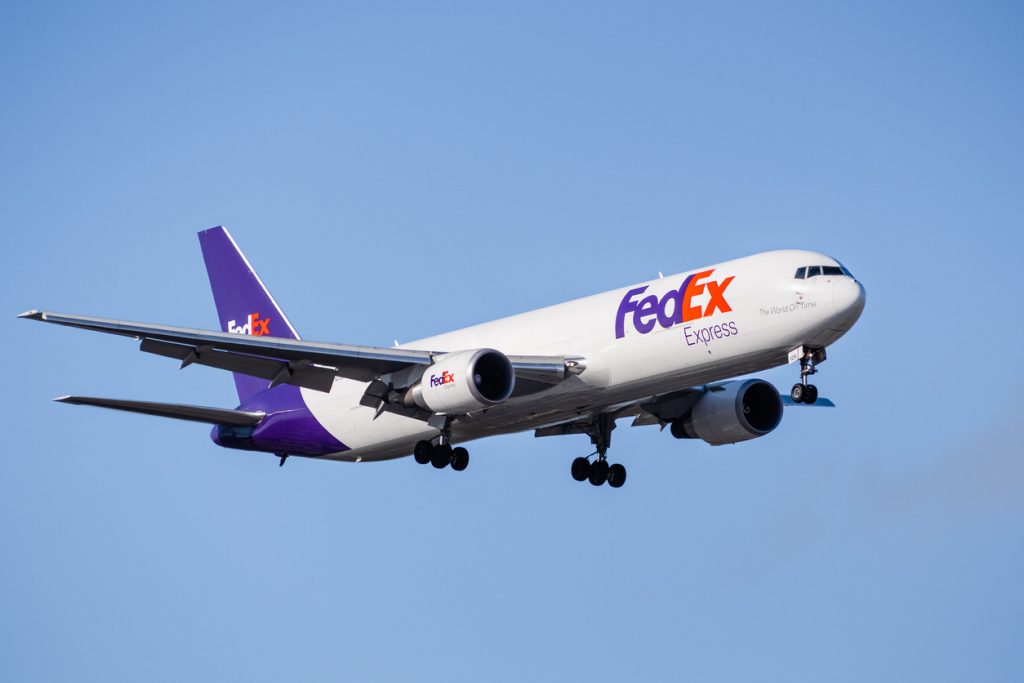
Aircraft turnaround is the period between an aircraft arriving at an airport and departing for its next flight. During this short window, several activities must be completed, including passenger disembarkation and boarding, baggage handling, cargo operations, cleaning, catering, refuelling, aircraft checks and other ground services.
When one activity is delayed, the effect can spread to other parts of the turnaround and eventually affect the aircraft’s departure time. IATA identifies ground handling as a critical part of airline operations and highlights safe, on-time turnarounds, standardisation and operational efficiency as key priorities. (IATA)
Across Africa, turnaround performance can be affected by infrastructure limitations, equipment availability, staffing, communication, traffic and the coordination of multiple airport stakeholders.
Where Aircraft Turnaround Delays Start
A turnaround involves many teams working around the same aircraft. A delay does not necessarily begin with the aircraft itself.
For example, baggage may not arrive at the aircraft on time, a required piece of ground equipment may be unavailable, or passengers may still be waiting to board. These individual delays can create a chain reaction.
IATA identifies untimely ground handling, missing passengers and aircraft ground damage among common causes of turnaround delays. (IATA)
The challenge for airport and airline managers is therefore identifying the first point where the process slowed down rather than simply recording the final departure delay.
Ground Handling Delays
Ground handling covers several activities that have to be coordinated during the turnaround.
These include:
- Passenger handling
- Baggage loading and unloading
- Cargo handling
- Aircraft cleaning
- Catering
- Ramp services
- Aircraft loading
- Pushback and towing
- Ground Support Equipment operations
If one service starts late, another team may have to wait before completing its own task.
This is why IATA promotes standardised ground handling procedures. Consistent procedures can reduce operational variations, improve training and support more predictable turnarounds. (IATA)
Ground Support Equipment Availability
Ground Support Equipment is essential to aircraft turnaround. Baggage tractors, belt loaders, passenger stairs, ground power units and pushback equipment all need to be available when required.
If the required equipment is being used by another aircraft, undergoing maintenance or simply unavailable, ground teams may have to wait.
IATA’s 2026 ground handling guidance specifically highlights modernising GSE as one of three major priorities alongside stronger standards and digitalisation. (IATA)
For African airports, equipment planning therefore needs to consider aircraft traffic, fleet requirements, maintenance capacity and peak operating periods.
Staffing and Skills Shortages
Aircraft turnaround requires trained people across multiple functions.
A shortage of experienced ramp personnel, baggage handlers, supervisors or other ground staff can increase pressure on the teams that are available.
IATA continues to identify workforce challenges and staff shortages as issues affecting ground operations. It also notes that consistent standards and training can help improve personnel competency. (IATA)
The problem is not simply having enough employees. Staff also need the appropriate training and supervision for the aircraft, equipment and procedures they are handling.
Communication Between Airport Teams
A turnaround can involve the airline, airport operator, ground handler, catering company, fuelling provider, baggage team, security personnel and other service providers.
If these organisations operate with disconnected information, it becomes harder to know whether a particular task has been completed or whether another team is waiting for it.
IATA notes that fragmented data, manual processes and delayed information remain barriers to efficient ground handling. (IATA)
Better communication can help teams identify problems earlier instead of discovering them when the aircraft is already approaching its scheduled departure time.
Baggage and Cargo Handling Problems
Baggage is one of the most visible parts of the turnaround process for passengers, but it is also an important operational task.
Bags have to move from the terminal to the correct aircraft and be loaded according to the required procedures. Cargo and mail have their own handling, documentation and loading requirements.
A delay in baggage or cargo handling can therefore hold up other turnaround activities.
The same applies when loading information changes. Teams may need to adjust the loading process before the aircraft can depart safely.
Aircraft Ground Damage
Ground damage can create a particularly serious turnaround problem because the aircraft may need to undergo inspection or repair before continuing its operation.
Potential causes include contact with ground equipment, vehicles, passenger boarding bridges and other objects operating around the aircraft.
IATA reported more than 29,000 aircraft ground-damage events in 2025 globally, highlighting the scale of the operational risk. (IATA)
Preventing these incidents requires trained personnel, appropriate equipment, controlled vehicle movements and strong safety procedures.
Infrastructure and Airport Capacity
Infrastructure can also influence turnaround performance.
Limited aircraft parking stands, congested ramps, baggage facilities, passenger-processing areas or other airport resources can make it more difficult to handle several aircraft simultaneously.
An airport may have sufficient capacity during quieter periods but experience operational pressure during peak traffic.
This makes airport planning and resource allocation important parts of turnaround management.
Flight Schedule Changes and Disruptions
Turnaround planning becomes more difficult when flight schedules change.
A late-arriving aircraft may leave ground teams with less time to prepare the next departure. Weather, technical issues, airspace restrictions or earlier delays can also change the expected arrival and departure sequence.
The challenge is then to reorganise resources without compromising safety.
IATA has noted that increasing demand, constrained infrastructure, workforce challenges and wider operational disruptions are placing additional pressure on ground operations. (IATA)
Limited Operational Visibility
Managers cannot effectively solve a turnaround problem if they do not know where the delay is occurring.
Traditional communication methods can make it difficult to maintain a real-time picture of every task around the aircraft.
Digital turnaround systems can provide timestamps and visibility into individual activities. IATA says AI-integrated turnaround systems could improve decision-making and that adoption of its turnaround timestamp standard could help reduce ground-handling delays. (IATA)
For African airports, digitalisation can therefore help turn turnaround management from a largely reactive process into a more data-driven one.
How African Airports Can Reduce Turnaround Challenges
There is no single solution that works for every airport. However, several practical measures can improve turnaround performance:
- Prepare ground teams and equipment before aircraft arrival.
- Standardise recurring turnaround procedures.
- Monitor GSE availability and maintenance.
- Train staff regularly and strengthen frontline supervision.
- Improve communication between airlines and service providers.
- Track the time taken by individual turnaround activities.
- Investigate recurring causes of delays rather than only recording departure delays.
- Use digital systems where they provide useful real-time operational visibility.
- Maintain clear contingency plans for equipment and staffing shortages.
- Prioritise safety rather than attempting to recover time by bypassing procedures.
IATA’s current approach places particular emphasis on stronger standards, modern GSE and digitalisation as foundations for more resilient ground handling. (IATA)
How Travo.ng Can Support Aviation Travel and Logistics
Travo.ng is not a specialist aircraft ground handler or airport operator. Its role is to support the wider travel and transportation requirements surrounding aviation operations.
For example, an aviation company bringing technicians into Lagos for an aircraft project may need airport pickup, hotel accommodation and transportation between the airport, hotel and work location. A team travelling between Lagos and Abuja may also require travel bookings and coordinated vehicle arrangements.
Travo.ng can support these wider movements through travel bookings, airport transfers, hotel reservations, vehicle hire and transportation coordination.
This distinction is important. Specialist activities such as ramp handling, aircraft loading, pushback, aircraft servicing and other airside functions remain with appropriately qualified aviation providers. Travo.ng can support the people and logistics moving around those operations.
Building More Reliable Aircraft Turnarounds in Africa
Reducing aircraft turnaround challenges requires more than trying to make individual tasks faster. The entire sequence needs to work together.
Airlines, airports and ground service providers can improve reliability by planning resources before arrival, maintaining equipment, strengthening staff training, sharing operational information and measuring where time is actually being lost.
For African airports, the solution may look different from one location to another. A busy international hub such as Lagos, Nairobi, Johannesburg or Addis Ababa can have different equipment, infrastructure and traffic pressures from a smaller regional airport.
The objective is therefore to build turnaround procedures around the airport’s actual operating environment while maintaining consistent safety and service standards. Better coordination of people, equipment, information and infrastructure can make aircraft ground time more predictable without compromising safe operations.
