


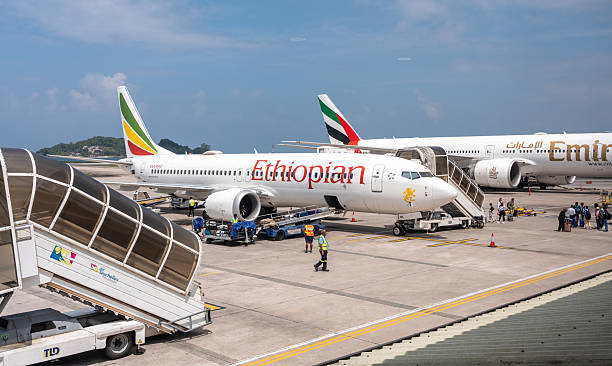
Airport operational support in Africa covers the people, services, equipment and logistics that help airports maintain safe, organised and efficient daily operations.
An airport brings together airlines, ground handlers, security teams, passenger service providers, cargo operators, maintenance personnel, transport companies and other stakeholders. When these activities are not properly coordinated, a problem in one area can affect several others.
IATA describes ground handling as an integral part of airline operations and identifies safety, standardisation and on-time performance as important priorities for improving ground operational efficiency. (IATA)
For African airports, operational support also needs to account for differences in infrastructure, passenger volumes, equipment availability, staffing and road transportation.
What Airport Operational Support Includes
Airport operational support can cover a wide range of activities depending on the airport and the organisation involved.
Common areas include:
- Passenger handling and assistance
- Baggage and cargo coordination
- Aircraft turnaround support
- Ground transportation
- Airport transfers
- Ground Support Equipment coordination
- Staff and crew transportation
- Maintenance logistics
- Terminal support services
- Operational communication
- Travel and accommodation arrangements
- Delivery of operational supplies
Some of these are specialist airside activities that require appropriately trained and authorised aviation providers. Others form part of the wider logistics network supporting airport operations.
Coordinating Ground Operations
Ground operations involve multiple activities taking place around aircraft within a limited timeframe. Passengers need to disembark and board, baggage needs to be handled, aircraft servicing must be completed and equipment needs to be positioned correctly.
IATA’s ground operations standards cover areas including passenger, cargo and aircraft handling, load control, Ground Support Equipment management, safety and training. Standardisation is intended to reduce variations between airlines, airports and ground service providers while improving efficiency. (IATA)
Airport operational support therefore depends heavily on clear communication and defined responsibilities between the organisations working around an aircraft.
Supporting Passenger and Terminal Operations
Passenger-facing services are another important part of airport operations.
Check-in queues, security processing, boarding, baggage collection and passenger information all influence how efficiently people move through a terminal.
During busy periods, airport operators may need to adjust staffing, passenger-flow arrangements and available processing capacity. When flights are disrupted, communication becomes even more important because passengers may require updated information about gates, departure times, baggage and onward transportation.
Operational readiness planning also considers passenger flow, baggage handling, security, airside and landside operations as interconnected systems. (IATA)
Ground Support Equipment and Resource Management
Aircraft operations depend on the availability of appropriate ground equipment.
Depending on the operation, this can include baggage tractors, belt loaders, passenger stairs, ground power units and pushback equipment.
If equipment is unavailable or poorly maintained, other activities around the aircraft can be delayed. Managing equipment therefore involves more than purchasing it. Airports and ground service providers need systems for allocation, inspection, maintenance and replacement.
Digital asset tracking and resource monitoring are also becoming more relevant to ground operations, with IATA highlighting the potential of connected equipment and operational data to improve resource allocation and efficiency. (IATA)
Aviation Personnel and Transportation Support
Airport operations also depend on people moving between different locations.
Pilots, cabin crew, engineers, technicians, contractors, airport employees and project teams may require transportation between airports, hotels, offices and operational sites.
For example, a technical team travelling to Lagos for an aviation project may need airport pickup, accommodation and local transportation before beginning its assignment. Similar requirements can occur around airports in Abuja, Accra, Nairobi, Johannesburg and other major African aviation centres.
Reliable transportation can help prevent avoidable delays outside the airport’s immediate airside environment.
Supporting Airport Projects and Operational Readiness
Operational support is particularly important when an airport is opening a new terminal, expanding facilities or introducing new systems.
Operational Readiness and Airport Transfer (ORAT) processes are designed to make sure facilities, systems, equipment and personnel are prepared before a new or transferred operation begins. IATA describes ORAT as involving operational planning, staff training, stakeholder coordination, trials and post-opening support. (IATA)
For African airport projects, this can mean coordinating airlines, airport departments, contractors, service providers and other stakeholders before operations begin.
Digital Tools for Airport Operations
Digital coordination can provide better visibility over airport activities.
Operational systems can help organisations monitor aircraft turnaround, equipment, passenger flows, baggage processes, staff assignments and operational disruptions.
IATA’s Operational Portal provides airlines and ground handling service providers with access to operational standards and facilitates the exchange of operational information between stakeholders. (IATA)
For airports handling multiple airlines and service providers, better information sharing can make it easier to identify bottlenecks and respond when schedules or resource requirements change.
Challenges Affecting Airport Operations in Africa
Airport operational challenges differ across the continent, but some common issues include:
- Limited ground equipment
- Equipment maintenance problems
- Staff shortages
- Terminal congestion
- Baggage handling delays
- Limited infrastructure
- Road traffic around major airports
- Communication gaps between service providers
- Changing flight schedules
- Difficulties moving personnel and equipment
- Limited operational data
The scale of these challenges varies considerably. A major international hub can have completely different requirements from a smaller regional airport.
Operational support therefore needs to be designed around the airport’s traffic levels, infrastructure, location and specific service requirements.
Measuring Airport Operational Performance
Operational support should be measured using practical indicators rather than relying only on general passenger feedback.
Useful measures can include:
- Aircraft turnaround time
- Departure punctuality
- Passenger processing time
- Baggage delivery performance
- Equipment availability
- Staff response time
- Number of operational incidents
- Delays attributed to ground services
- Time required to resolve disruptions
Monitoring these indicators can reveal recurring problems and help airport managers determine where additional resources or process changes are required.
How Travo.ng Can Support Airport Operations
Travo.ng supports the wider travel, transportation and logistics requirements surrounding airport activity. It is not an airport operator or specialist airside ground handling company.
For aviation personnel, corporate travellers and businesses, Travo.ng can help with travel bookings, airport transfers, hotel reservations, vehicle hire and transportation coordination.
For example, an aviation company bringing a team into Lagos for an airport-related project may need airport pickup, accommodation and transportation between the hotel and work location. Travo.ng can help coordinate these travel and mobility requirements around the team’s schedule.
This support is particularly useful when airport-related projects involve people moving between several locations. Specialist airport and airside responsibilities remain with appropriately qualified aviation organisations, while Travo.ng can support the wider travel and transportation chain.
Building Stronger Airport Operational Support
Effective airport operational support comes from coordinating different resources instead of treating each service as a separate activity.
Airports and their service providers can strengthen operations by:
- Defining responsibilities between airport departments and contractors.
- Standardising recurring ground procedures.
- Maintaining critical equipment and monitoring availability.
- Training operational staff regularly.
- Improving communication between airlines and service providers.
- Using data to identify recurring delays.
- Planning transportation for personnel and project teams in advance.
- Establishing contingency plans for equipment and staffing problems.
- Monitoring passenger, baggage and aircraft turnaround performance.
- Reviewing incidents to identify their underlying causes.
As African airports handle increasing passenger, cargo and airline activity, reliable operational support will remain important. Combining standardised procedures, trained personnel, dependable equipment, digital coordination and wider travel logistics can help airport operations become safer, more organised and more predictable.
