


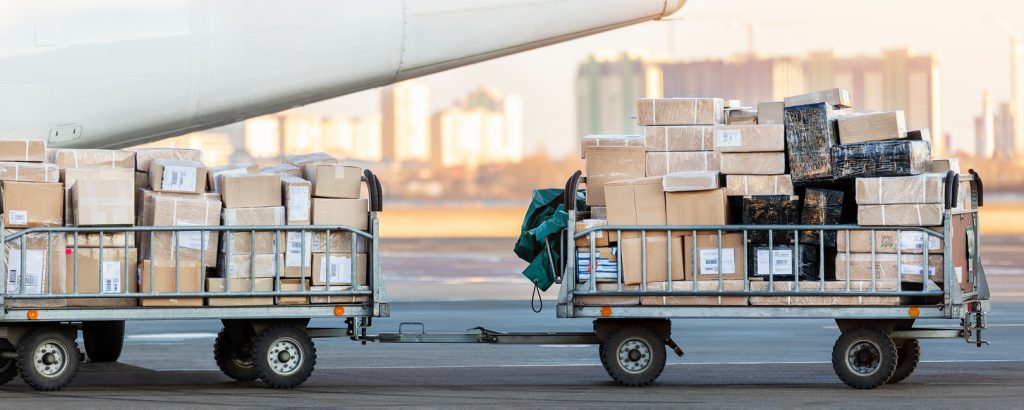
Aviation cargo logistics in Africa covers the movement of goods by air from the shipper to the final destination. It involves airlines, cargo terminals, freight forwarders, customs authorities, ground handlers, warehouses, transport companies and other logistics providers working together.
Air cargo is particularly useful for goods that are time-sensitive, high-value, perishable or needed urgently. In 2026, African airlines have continued to record growth in cargo demand, although capacity and logistics conditions vary considerably between markets. IATA reported that African carriers recorded 4.7% year-on-year cargo demand growth in June 2026, while available cargo capacity declined by 7.1%. (IATA)
How Aviation Cargo Logistics Works
An air cargo shipment usually passes through several stages before reaching its destination.
The process can include:
- Cargo preparation and packaging
- Pickup from the shipper
- Delivery to a cargo terminal or warehouse
- Documentation and customs processing
- Security screening
- Cargo acceptance and weighing
- Storage where required
- Transfer to the aircraft
- Flight transportation
- Arrival handling and customs clearance
- Collection or onward ground transportation
Each stage needs to connect with the next. A delay at customs, for example, can prevent cargo from reaching the aircraft on time even when the airline and airport have sufficient capacity.
Types of Cargo Moving by Air in Africa
Air cargo logistics is used for different types of shipments depending on their urgency, value and physical characteristics.
Common examples include:
- Pharmaceuticals and medical supplies
- Fresh produce and other perishables
- Electronics
- Automotive and aircraft spare parts
- Documents and commercial samples
- E-commerce orders
- Machinery components
- High-value products
- Emergency supplies
- Time-sensitive business shipments
Perishable exports can be particularly dependent on reliable cold-chain infrastructure because delays between farms, warehouses, airports and aircraft can affect product quality.
Cargo Handling at African Airports
Cargo handling is one of the most important links in the aviation logistics chain.
At an airport, cargo may need to be unloaded from trucks, inspected, screened, weighed, documented, stored and prepared for aircraft loading. On arrival, the process is reversed before the shipment continues by road or another mode of transport.
AFRAA identifies inadequate cargo infrastructure, storage and cargo movement, cumbersome customs procedures, training needs and the implementation of electronic freight processes among challenges affecting African air cargo. (Afraa)
This means building a cargo terminal alone is not enough. The surrounding processes also need to work efficiently.
Customs and Documentation
International air cargo requires accurate documentation and compliance with applicable customs and aviation requirements.
Missing information or incorrect documentation can cause cargo to remain at an airport while other parts of the supply chain are ready to proceed.
Digitalisation can help reduce some of these problems. IATA identifies fragmented systems and duplicated information as continuing challenges for air cargo and promotes shared digital data through initiatives such as ONE Record. (IATA)
For businesses shipping regularly, preparing commercial invoices, shipment information and other required documentation correctly before cargo reaches the airport can help avoid unnecessary delays.
Cold Chain and Perishable Cargo
Africa has significant potential for exporting agricultural products by air, but perishable cargo requires more than aircraft capacity.
Fresh produce, pharmaceuticals and temperature-sensitive products need suitable storage, handling procedures and transportation before and after the flight.
A shipment can lose its value if it spends too much time outside the required temperature range while waiting for documentation, loading, customs clearance or onward transportation.
Cold-chain facilities therefore need to be connected with reliable airport handling and road logistics rather than operating independently.
The Role of Ground Transportation
The aircraft is only one part of an aviation cargo supply chain.
Cargo still has to reach the airport and then travel from the destination airport to the consignee. In cities such as Lagos, Nairobi, Johannesburg and Accra, road traffic and delivery scheduling can influence how quickly cargo completes its journey after landing.
This is why aviation cargo logistics increasingly requires coordination between air and road transportation. A fast flight does not necessarily mean fast delivery if the shipment waits several hours for collection or onward transportation.
Challenges Affecting Aviation Cargo Logistics in Africa
Cargo operators and businesses can encounter several challenges across different African markets:
- Limited cargo-handling infrastructure
- Customs and regulatory delays
- Fragmented logistics systems
- Limited cold-chain capacity
- Insufficient cargo storage
- Ground transportation delays
- Limited direct air cargo connections
- High logistics costs
- Lack of specialised handling equipment
- Shortages of trained personnel
These challenges are not identical across the continent. Major aviation hubs may have sophisticated cargo facilities, while smaller airports can have fewer handling and storage options.
AFRAA has also highlighted structural trade imbalances and limited export diversification as factors affecting outbound air cargo volumes in some African markets. (Afraa)
Using Technology in Aviation Cargo Logistics
Technology can improve visibility across the cargo journey.
Digital cargo platforms can help stakeholders share shipment information, while tracking systems can provide updates on cargo location and status. Warehouse systems can also help operators manage storage and release processes more efficiently.
IATA’s 2026 priorities for air cargo include accelerating digitalisation, strengthening global standards and improving safety and security. (IATA)
For African logistics networks, better data sharing can be particularly useful where a shipment passes through several companies before reaching its final destination.
How Travo.ng Can Support Aviation Cargo Logistics
Travo.ng can support the transportation and travel requirements surrounding aviation cargo operations without positioning itself as an airline, cargo terminal operator or specialist freight-forwarding company.
For example, a business shipping goods by air from Lagos may need transportation to or from the airport, while staff travelling to another city may require airport pickup, accommodation or vehicle hire. Travo.ng can help coordinate these connected travel and transportation requirements.
Depending on the shipment and service required, Travo.ng can also support delivery and logistics coordination around the movement of goods between locations. This can be useful for businesses that need the road-transport side of an air cargo journey organised alongside their wider travel requirements.
Building Better Air Cargo Networks Across Africa
African air cargo has significant room to develop as regional trade, e-commerce, manufacturing and high-value agriculture expand.
Recent IATA data shows that cargo demand has remained active across the continent, while capacity has not always expanded at the same pace. (IATA)
Improving aviation cargo logistics therefore requires more than adding aircraft or expanding cargo terminals. Airports, airlines, customs authorities, freight companies, warehouses and road transport providers need to work as a connected supply chain.
Better infrastructure, digital documentation, cold-chain capacity, reliable ground transportation and trained logistics personnel can make it easier for African businesses to move goods quickly and predictably by air.
