


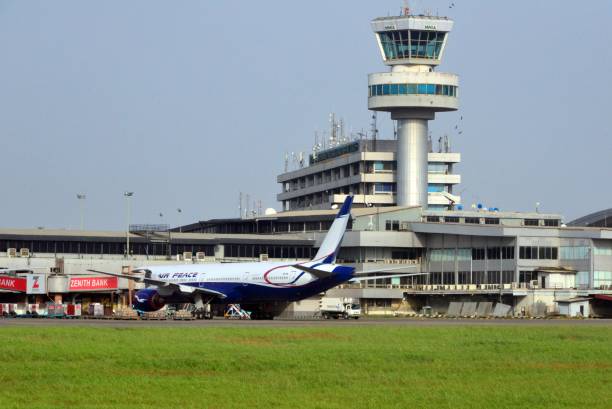
Aircraft ground service providers in Africa support airlines and airports with the activities required before, during and after an aircraft arrives at the airport. Their work can include ramp handling, passenger services, baggage and cargo handling, aircraft servicing, load control, ground support equipment and other operational support.
Ground handling is a multi-service operation rather than a single task. IATA’s Ground Handling Partner Directory includes services such as passenger services, ramp services, cargo and mail warehouses, load control, flight operations, security and support services. (IATA)
What Aircraft Ground Service Providers Do
The exact services provided depend on the airport, airline contract and capabilities of the ground handler. Common responsibilities include:
- Aircraft arrival and departure coordination
- Passenger check-in and boarding support
- Baggage loading and unloading
- Cargo and mail handling
- Ramp operations
- Aircraft cleaning and servicing
- Ground support equipment operation
- Load control
- Pushback and aircraft movement support
- Passenger transportation around the airport
- Security-related support
- Flight operations assistance
Some providers offer a broad range of services, while others specialise in particular areas such as cargo, passenger handling or ramp operations.
Ramp Handling and Aircraft Turnaround
Ramp operations are central to aircraft ground services. Once an aircraft reaches its parking stand, several activities may need to happen before it can depart again.
Ground teams may coordinate baggage unloading, cargo handling, passenger boarding, cleaning, catering, fuelling and the positioning of ground support equipment.
The challenge is making sure these activities happen safely and in the right sequence. A delay involving one service can affect the entire aircraft turnaround.
IATA’s ground handling programme focuses on improving safety, reducing aircraft damage and increasing efficiency among ground service providers. (IATA)
Passenger and Baggage Services
Ground service providers are often responsible for important passenger-facing activities before and after a flight.
Depending on the contract, this can include check-in support, boarding, arrival assistance, baggage processing and handling of passengers who require additional assistance.
Baggage operations require close coordination between terminal teams, baggage systems, ramp personnel and aircraft loading teams. If baggage is not available when loading begins, the aircraft departure can be affected.
Cargo Handling at African Airports
Cargo is another major part of aircraft ground services. Ground handlers may receive shipments, move cargo through airport warehouses, prepare consignments for aircraft loading and coordinate the movement of freight between warehouse and ramp.
The requirements can become more demanding when handling pharmaceuticals, perishables, valuable cargo, oversized shipments or time-sensitive freight.
Providers with cargo capabilities may therefore require suitable warehouse facilities, trained personnel, specialised equipment and reliable processes for moving cargo safely between different stages of the airport supply chain.
Ground Support Equipment
Aircraft ground service providers rely on ground support equipment to perform many routine tasks.
Depending on the aircraft and operation, this may include:
- Baggage tractors
- Belt loaders
- Passenger stairs
- Pushback tractors
- Ground power units
- Catering vehicles
- Water service equipment
- Lavatory service equipment
- Aircraft tugs
- Passenger buses
Equipment availability and maintenance can directly affect turnaround performance. IATA’s Enhanced GSE Recognition Program covers ground handling service providers and assesses their ground support equipment fleets, highlighting the importance of equipment standards in ground operations. (IATA)
Ground Service Providers Across Africa
Ground handling capacity differs significantly between African markets. IATA’s current Ground Handling Partner Directory lists providers operating across countries including Egypt, Kenya, Uganda, Tanzania, The Gambia, Zambia, Madagascar and other markets in the Africa and Middle East region. (IATA)
For example, Tradewinds Aviation Services is listed by IATA as a Kenyan ground service provider offering ground handling, logistics, cargo, ramp, passenger and flight-operation services. (IATA)
In Nigeria, IATA’s GSE programme lists Skyway Aviation Handling Company at both Abuja and Lagos airports, while Menzies Aviation is listed at Johannesburg and Durban in South Africa. (IATA)
The availability and scope of services still need to be assessed at the specific airport because a provider’s capabilities can vary by station.
Choosing an Aircraft Ground Service Provider
Airlines selecting a ground service provider usually need to look beyond the number of services advertised.
Important considerations can include:
- Airport coverage: Does the provider operate at the airport where support is required?
- Service scope: Can it handle passenger, ramp, cargo and load-control requirements where necessary?
- Equipment: Does it have sufficient and properly maintained GSE?
- Staffing: Are there enough trained personnel for the airline’s schedule?
- Safety systems: Does the provider have appropriate safety and quality procedures?
- Operational capacity: Can it handle peak periods and irregular operations?
- Technology: Can it exchange operational information efficiently with the airline?
- Local experience: Does it understand the airport’s operating environment?
This is particularly relevant in Africa because handling infrastructure and service standards can vary considerably between airports. AFRAA notes that ground-handling standards and infrastructure differ widely across African airports, with some locations facing inadequate or limited passenger and cargo facilities. (Afraa)
Challenges Facing Ground Service Providers in Africa
Ground handlers can face several operational challenges, including:
- Limited or ageing ground support equipment
- Shortages of trained personnel
- Airport congestion
- Inadequate cargo infrastructure
- Equipment maintenance problems
- High operating costs
- Communication gaps between stakeholders
- Difficulties coordinating multiple airlines
- Infrastructure limitations at some airports
These challenges do not apply equally to every airport. Major hubs may have several competing service providers and more developed infrastructure, while smaller airports can face different resource constraints.
Technology and Ground Handling
Digital technology is increasingly becoming part of ground operations. Providers can use systems for task allocation, baggage tracking, equipment monitoring, turnaround management and operational reporting.
Real-time information can help supervisors identify whether a particular turnaround activity is running behind schedule. Equipment tracking can also show where vehicles and other GSE are located and whether they are available for use.
The objective is not simply to digitise existing paperwork. Technology becomes more useful when it improves communication and gives airlines and handlers better visibility of what is happening around an aircraft.
How Travo.ng Can Support Aviation-Related Logistics
Travo.ng is not an aircraft ground handling company, but it can support the travel and transportation requirements surrounding aviation operations.
For example, an airline contractor or ground service employee travelling to Lagos, Abuja, Accra or another African aviation hub may require airport pickup, hotel accommodation and transportation between different work locations. Travo.ng can help coordinate these travel arrangements.
For aviation businesses moving personnel between airports, hotels, offices and project locations, Travo.ng can also support travel bookings, hotel reservations, vehicle hire, airport transfers, delivery and wider transportation logistics.
This creates a useful distinction: specialist ground service providers handle aircraft and airside activities, while Travo.ng can support the movement of people and goods connected to those operations.
Building Stronger Ground Handling Networks
Aircraft ground service providers will remain an important part of Africa’s aviation infrastructure as passenger and cargo networks expand.
The most effective operations require more than having personnel available on the ramp. Airlines need ground handlers with appropriate equipment, trained teams, clear procedures, adequate infrastructure and reliable communication systems.
For airlines evaluating providers, the right choice depends on the airport, aircraft type, flight schedule, required services and operational environment. Strong coordination between airlines, airports, ground handlers, cargo companies and transportation providers can make aircraft turnarounds more predictable and improve the overall reliability of aviation operations across Africa.
