


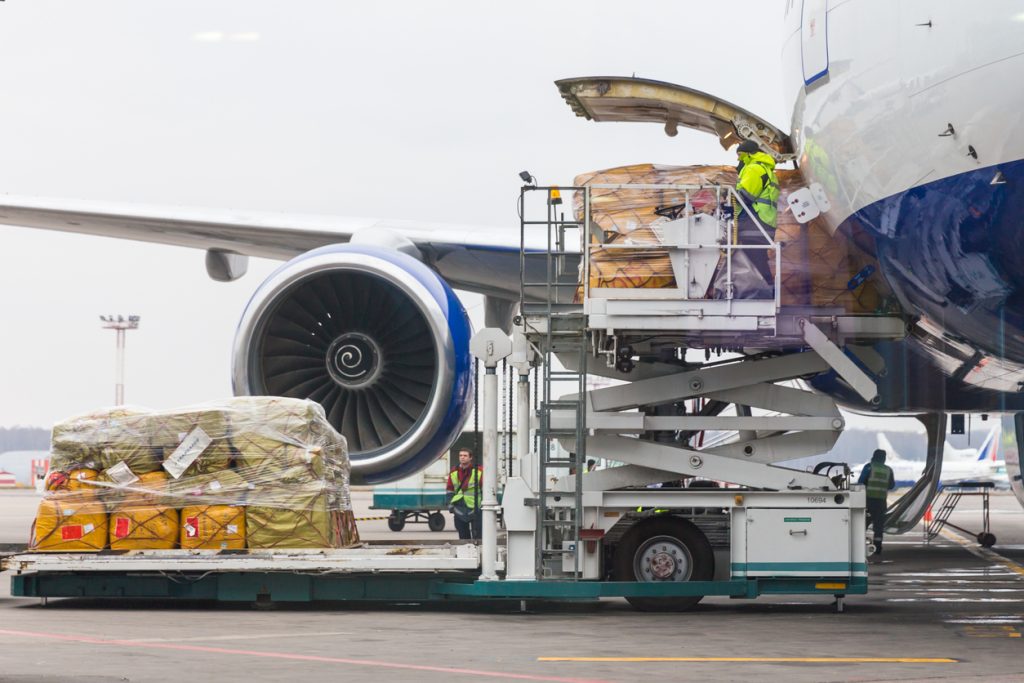
Airport logistics technology in Africa is changing how airports, airlines, cargo operators, ground handlers and transport providers coordinate the movement of aircraft, passengers, baggage and cargo.
Instead of relying mainly on paperwork, phone calls and disconnected systems, modern airport logistics increasingly uses digital platforms, tracking tools, automation, data sharing and real-time operational information. The goal is not simply to introduce new technology, but to make airport operations easier to coordinate, monitor and improve.
IATA identifies digitalisation, data sharing and connected systems as important parts of improving efficiency across aviation and air cargo operations. (IATA)
Where Technology Is Used in Airport Logistics
Airport logistics involves many activities happening at the same time. Technology can connect these activities so that different teams have access to the information they need.
Common applications include:
- Aircraft turnaround monitoring
- Baggage tracking
- Cargo management
- Warehouse management
- Ground vehicle coordination
- Ground support equipment monitoring
- Passenger processing
- Flight and gate information
- Delivery scheduling
- Staff and resource management
- Digital documentation
- Airport access and security systems
The level of technology adoption varies considerably between African airports, depending on infrastructure, investment, operational requirements and the availability of suitable digital systems.
Digital Aircraft Turnaround Management
Aircraft turnaround is one area where better technology can have a direct operational impact.
A single aircraft may require baggage handling, cleaning, catering, fuelling, passenger boarding, maintenance checks and ground equipment during a relatively short period. Digital turnaround systems can help teams monitor these activities and identify tasks that are falling behind schedule.
Instead of waiting until a departure is delayed, operations teams can receive information while the turnaround is still in progress.
This allows supervisors to coordinate resources and address bottlenecks earlier.
Baggage Tracking and Automation
Baggage is another major area for airport logistics technology.
Tracking systems can provide information about where baggage has been processed and whether it has reached the appropriate stage of the journey. Automation can also reduce the amount of manual handling required in some baggage operations.
Artificial intelligence and machine learning are increasingly being explored for baggage tracking, claim handling and fraud detection. (IATA)
For busy airports, better baggage visibility can help reduce misplaced bags, improve operational coordination and give passengers more reliable information.
Technology for Air Cargo Logistics
Cargo operations involve numerous handoffs between shippers, freight forwarders, airlines, ground handlers, warehouses and transport providers.
Digital cargo systems can help these parties share information rather than repeatedly exchanging separate documents or manually checking shipment details.
IATA’s current digital cargo initiatives emphasise shared data and the ONE Record standard, which is designed to give supply-chain participants a consistent digital view of shipment information. (IATA)
For African airports developing their cargo capabilities, this can become particularly useful as international trade, e-commerce and regional freight networks expand.
Smart Airport Warehousing
Airport warehouses can use technology to improve how cargo is received, stored, located and released.
Warehouse management systems can provide information about inventory, shipment status, storage locations and collection requirements. Automation can also be introduced for selected handling processes.
This becomes increasingly important for specialised cargo such as pharmaceuticals, perishables and other time-sensitive shipments.
IATA’s research into future air cargo facilities highlights cargo community systems, data exchange, artificial intelligence, automated handling and improved tracking transparency as important technological developments. (IATA)
Tracking Ground Vehicles and Equipment
Airport logistics does not stop at the terminal or cargo warehouse. Vehicles and ground support equipment also need to be available at the right location and time.
Technology can help operators monitor vehicle movements, equipment availability and maintenance requirements.
For example, a digital system could help an airport operator identify which baggage tractors are available, where certain vehicles are located and whether equipment requires servicing.
This can reduce unnecessary movement and make resource allocation easier during busy operating periods.
Challenges to Airport Technology Adoption in Africa
Introducing technology into airport logistics can be difficult when existing infrastructure and systems are not prepared for integration.
Some challenges include:
- High technology and implementation costs
- Unreliable connectivity in some locations
- Legacy systems
- Limited interoperability between providers
- Shortages of specialised technical skills
- Cybersecurity concerns
- Resistance to changing established workflows
- Difficulty connecting airport, airline and logistics systems
A recent study examining Nigerian airport logistics found that fragmented data systems, duplicated procedures and repeated physical processes can contribute to operational inefficiencies. The study explored blockchain as one possible approach to reducing some of these redundancies. (MDPI)
Technology therefore needs to solve a genuine operational problem rather than simply being introduced because it is considered modern.
Making Airport Technology Work Across Different African Markets
A technology platform designed for a major international hub may not be suitable for a smaller regional airport.
African airports have different passenger volumes, cargo requirements, infrastructure, budgets and levels of digital maturity. Successful implementation therefore requires solutions that can integrate with existing systems and scale as operational requirements grow.
Training is equally important. Airport employees need to understand how the technology fits into their existing responsibilities rather than treating digital systems as something separate from daily operations.
IATA’s Focus Africa initiative has identified operational efficiency and digital innovation among the areas requiring continued attention across the continent’s aviation sector. (IATA)
How Travo.ng Can Support Airport-Related Logistics
Travo.ng can support the travel and transportation activities that connect with airport logistics, while specialist airport technology companies and ground handlers remain responsible for technical airport systems.
For example, an aviation company sending staff to Lagos, Abuja or another African city may need airport transfers, accommodation, vehicle hire and coordinated transportation around a project or flight schedule. Travo.ng can help organise these travel and mobility requirements.
The same applies to businesses moving personnel or time-sensitive items between airports, hotels, offices and other destinations. Depending on the requirement, Travo.ng can support travel bookings, hotel reservations, airport pickups, vehicle hire, delivery and wider logistics coordination.
This gives aviation businesses a practical way to manage the travel and transportation side of their operations without confusing Travo.ng with specialist airport IT, aircraft systems or ground-handling providers.
The Future of Airport Logistics Technology in Africa
Airport logistics technology is likely to become increasingly connected as airports handle larger passenger and cargo flows.
The direction is moving beyond individual digital tools toward integrated systems where airlines, airports, cargo operators, ground handlers and logistics providers can exchange information more efficiently.
For African aviation, the objective should be practical: better visibility, fewer unnecessary manual processes, faster coordination and more reliable movement of people and goods.
As airport infrastructure expands in different parts of the continent, technology will increasingly need to work alongside physical infrastructure, trained personnel and effective operational procedures. Recent airport development projects, including Uganda’s Arua Airport upgrade, demonstrate the continued investment in airport capacity and cargo infrastructure across African markets. (afdb.org)
