


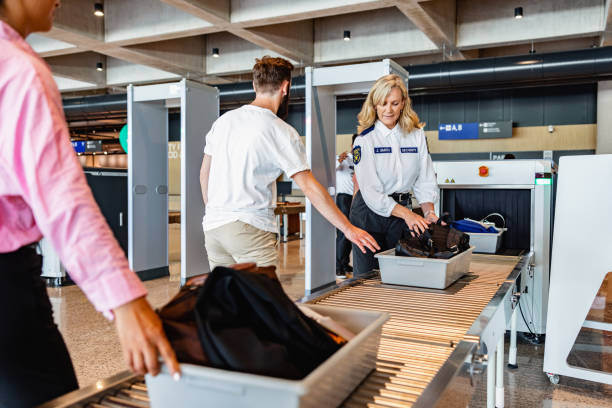
Airport ground services in Africa cover the activities that support aircraft, passengers, baggage and cargo while an aircraft is on the ground. They are an essential part of the airport operation because a flight cannot depart simply because the aircraft has landed. The aircraft needs to be serviced, passengers and baggage processed, cargo handled and the departure prepared safely.
Ground services can include passenger handling, baggage operations, aircraft loading and unloading, ramp services, ground support equipment, aircraft cleaning, water and lavatory servicing, passenger transportation and other turnaround activities. IATA describes ground handling as integral to airline operations, with safety, on-time performance and labour availability among the sector’s ongoing challenges. (IATA)
What Airport Ground Services Include
Airport ground services cover a wide range of activities, depending on the airport, airline and ground handling agreement.
Common services include:
- Passenger check-in and boarding support
- Baggage loading and unloading
- Cargo and mail handling
- Aircraft marshalling
- Aircraft loading and unloading
- Pushback and towing
- Ground support equipment operations
- Aircraft cleaning
- Catering support
- Water and lavatory servicing
- Passenger transportation
- Load control and flight operations support
- Ramp safety and coordination
IATA’s ground-handling standards cover passenger, cargo and aircraft handling, load control, GSE management, training and safety procedures. (IATA)
Aircraft Turnaround Services
Aircraft turnaround is at the centre of many ground services.
Once an aircraft arrives at its stand, different teams begin preparing it for the next flight. Passengers disembark, baggage and cargo are unloaded, the cabin may be cleaned, supplies are replenished and new passengers, baggage and cargo are prepared.
These activities often happen simultaneously. If one team is late, another may have to wait.
For example, a delay in unloading baggage can affect aircraft loading, while unavailable ground equipment can prevent another servicing activity from starting. Effective turnaround therefore depends on careful scheduling and communication between the airline, airport and ground handler.
Passenger Ground Services
Passenger services cover the processes that help travellers move through an airport before and after a flight.
These can include check-in, baggage acceptance, boarding, passenger assistance, transfers and arrival support.
International airports also have to coordinate passenger movement with immigration, security and customs procedures where applicable.
At busy African airports, passenger volumes can put pressure on check-in areas, security checkpoints, departure gates and baggage reclaim facilities. Efficient passenger services help prevent congestion from spreading into other parts of the terminal.
Baggage Handling Services
Baggage operations are another major part of airport ground services.
Checked bags need to move from the check-in area through screening and sorting before reaching the correct aircraft. After arrival, bags need to be unloaded and delivered to the appropriate reclaim area.
Mistakes or delays can create missed connections, passenger complaints and additional handling work.
IATA’s current baggage initiatives include greater use of digital messaging, end-to-end tracking and automation as part of efforts to modernise baggage operations. (IATA)
For African airports, improving baggage systems can be particularly useful at busy terminals where manual processes create additional pressure.
Cargo and Mail Ground Services
Cargo ground handling deals with the movement of freight and mail through airport facilities.
Depending on the shipment, operations can include cargo acceptance, security screening, warehouse storage, ULD handling, loading and unloading, documentation and movement between the cargo terminal and aircraft.
Special cargo may require additional procedures or facilities.
Cargo operations also depend on road transportation because freight arriving by air may still need to travel to a warehouse, distribution centre or final customer.
IATA’s ground-handling framework includes cargo and mail handling among the core areas covered by airport ground operations. (IATA)
Ground Support Equipment Services
Ground support equipment, or GSE, allows ground teams to perform many of the tasks required around an aircraft.
Examples include:
- Belt loaders
- Baggage tractors
- Pushback tractors
- Passenger stairs
- Ground power units
- Cargo loaders
- Water service vehicles
- Lavatory service vehicles
- Catering vehicles
The availability and condition of this equipment can directly affect turnaround performance.
IATA reported more than 29,000 aircraft ground-damage events globally in 2025 and is promoting enhanced GSE, including equipment with anti-collision technology, alongside modernisation and electrification. (IATA)
Ramp Operations and Aircraft Safety
The aircraft ramp is a highly controlled working environment.
Aircraft, vehicles, GSE and personnel operate within relatively confined areas, making communication and equipment positioning extremely important.
Ramp services can include aircraft marshalling, loading and unloading, pushback, towing and other activities required to move or service an aircraft.
Standardised procedures can help reduce differences between operators. IATA says its IGOM and AHM standards are intended to improve consistency, safety and operational efficiency across ground handling. (IATA)
Challenges Facing Airport Ground Services in Africa
Ground services vary considerably between African airports, but several operational challenges can affect service delivery.
These include:
- Shortages of trained personnel
- Aging or insufficient GSE
- Equipment maintenance problems
- Limited aircraft parking stands
- Congested ramps
- Baggage system limitations
- Cargo terminal constraints
- Manual operational processes
- Poor coordination between service providers
- Delays in equipment and spare-part supply
- Inadequate supporting infrastructure
The scale of these problems differs between airports. A major international hub may face congestion caused by high traffic volumes, while a smaller airport may have problems caused by limited equipment or specialist personnel.
Digitalisation of Ground Services
Digital systems are becoming an increasingly important part of airport ground services.
Ground handlers and airlines need timely information about aircraft arrivals, baggage, cargo, equipment and turnaround tasks. When information is spread across disconnected systems, teams may not know what has already been completed or what needs immediate attention.
IATA has identified fragmented data, manual processes and delayed information as barriers to efficient ground handling and is pushing for greater digitalisation across the sector. (IATA)
Digital coordination can help ground teams prepare before an aircraft arrives and respond more quickly when schedules change.
Training and Ground Service Standards
Ground services require trained personnel because employees operate aircraft, vehicles and specialised equipment in a safety-sensitive environment.
Training can cover equipment operation, aircraft servicing, baggage and cargo procedures, ramp safety, communication and emergency response.
IATA’s global ground-handling standards are designed to reduce operational variation, improve training and support safer and more efficient operations. Its ISAGO audit programme is also used to assess ground handling providers against established safety standards. (IATA)
For African operators working across different airports, consistent procedures can make staff training and operational oversight easier.
How Travo.ng Can Support Airport Travel and Logistics
Travo.ng is not a replacement for specialist airport ground handlers responsible for aircraft loading, ramp operations, GSE or aircraft servicing. Its role can instead support the wider travel and logistics requirements surrounding airport ground services.
Travo.ng can assist with airport transfers, travel bookings, hotel reservations, vehicle hire, delivery and cargo logistics, and transportation coordination where applicable.
For example, an aviation company bringing technicians into Lagos for an airport project may need flights, airport pickup, accommodation and transportation between the hotel and project location. A company moving personnel through Abuja or another African airport may require similar arrangements.
Travo.ng can coordinate these wider movements so that personnel, travellers and goods can continue their journey beyond the airport. This complements specialist ground handling without claiming responsibility for the aircraft’s actual ramp operations.
Improving Airport Ground Services Across Africa
Improving airport ground services requires investment in people, equipment, infrastructure and information systems.
Modern GSE can improve safety and efficiency, while better baggage and cargo systems can reduce manual bottlenecks. Digital platforms can improve communication between airlines, handlers and other airport stakeholders.
IATA’s current priorities include stronger implementation of global standards, modern GSE and digitalisation as important elements of more resilient ground handling. (IATA)
For African airports, the practical objective is to create ground operations where aircraft can be serviced safely, passengers and baggage can move efficiently, cargo can be processed reliably and different service providers can coordinate around the same flight.
When these elements work together, ground services become a stronger link between the aircraft, the airport terminal and the wider transportation network.
