


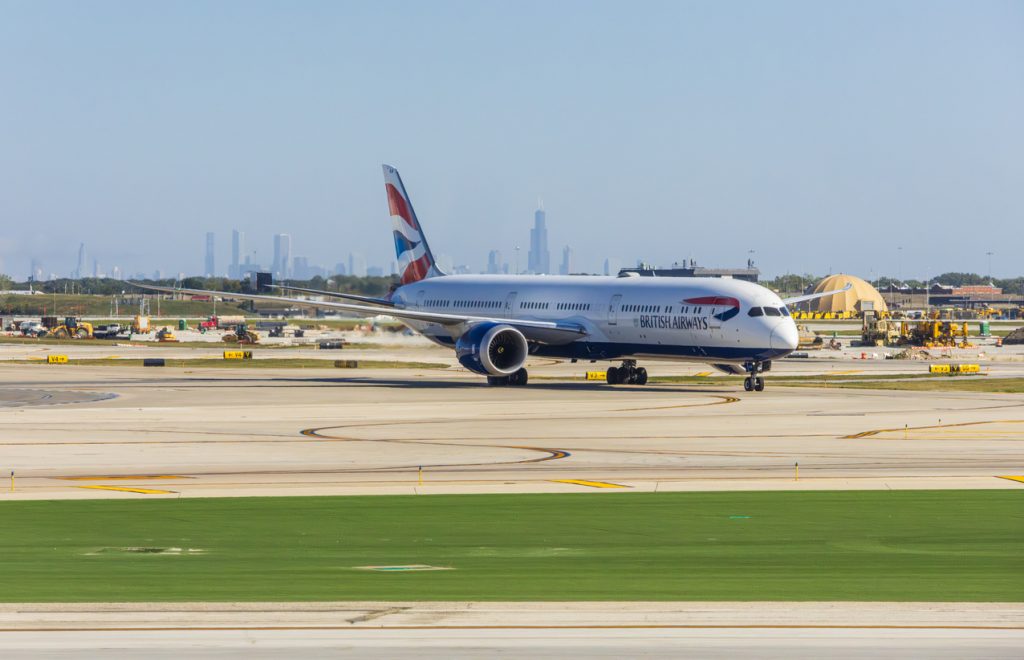
Aircraft ground operations in Africa cover everything that happens around an aircraft between arrival and departure. These activities include aircraft parking, passenger movement, baggage and cargo handling, aircraft servicing, ground support equipment, loading, pushback and other turnaround procedures.
Ground operations are essential to keeping flights safe and on schedule. The ramp is a particularly demanding environment because aircraft, vehicles, ground support equipment and personnel often operate within a confined area at the same time. IATA identifies safety, punctuality and labour availability as major ground-handling concerns. (IATA)
For African airports, efficient ground operations depend on the right combination of trained personnel, equipment, infrastructure, communication and standardised procedures.
What Aircraft Ground Operations Include
Aircraft ground operations involve several activities that have to be coordinated around each flight.
Common operations include:
- Aircraft arrival and parking
- Passenger disembarkation and boarding
- Baggage loading and unloading
- Cargo and mail handling
- Aircraft cleaning
- Catering support
- Water and lavatory servicing
- Ground power
- Aircraft refuelling coordination
- Load control
- Aircraft towing and pushback
- Ramp safety and supervision
IATA’s Ground Operations Manual covers areas including passenger handling, baggage, aircraft servicing, turnaround, load control and airside safety. (IATA)
Aircraft Turnaround Operations
The turnaround begins when an aircraft arrives at its stand and ends when it is ready to depart again.
During this period, several teams may need to work simultaneously. Passengers must leave the aircraft, baggage and cargo are unloaded, the cabin may be cleaned, catering and other servicing activities take place, and new passengers, baggage and cargo are prepared for departure.
A delay in one activity can affect the others. For example, if baggage arrives late at the aircraft, loading may be delayed. If a required GSE unit is unavailable, another servicing activity may also have to wait.
Good turnaround coordination therefore requires accurate timing and communication between the airline, ground handler, airport operator and other service providers.
Ground Support Equipment at African Airports
Ground support equipment is central to aircraft ground operations.
Equipment can include:
- Belt loaders
- Baggage tractors
- Pushback tractors
- Passenger stairs
- Ground power units
- Aircraft tugs
- Cargo loaders
- Catering vehicles
- Water and lavatory service vehicles
The availability and condition of this equipment can directly affect turnaround performance.
IATA reports that GSE operations are a significant contributor to aircraft ground damage and is promoting enhanced GSE with technologies such as anti-collision systems. Its 2026 ground-handling priorities also include modernising GSE fleets. (IATA)
For African airports, maintaining equipment can be particularly important where replacement equipment or spare parts may take longer to obtain.
Baggage and Cargo Handling
Baggage and cargo operations have to be carefully coordinated with aircraft schedules.
Checked baggage needs to move from terminal processing areas to the correct aircraft, while arriving baggage has to be unloaded and transferred to the appropriate reclaim area.
Cargo operations can involve additional steps such as documentation, security screening, warehouse processing, customs procedures and loading.
Incorrect loading can create both operational and safety problems. IATA identifies load and loading errors as one of the key ground-operation safety indicators and recommends stronger reconciliation, communication and digital processes. (IATA)
Aircraft Servicing on the Ground
Aircraft require several services while they are parked.
Depending on the aircraft and operating arrangement, these can include cabin cleaning, catering, potable water, lavatory servicing, ground power and other technical or support activities.
The sequence matters. Some activities have to be completed before others can begin, while certain operations require specific safety precautions.
Ground teams therefore work according to established procedures rather than simply performing tasks whenever equipment becomes available.
Ramp Safety and Personnel Training
The aircraft ramp is one of the busiest areas of an airport.
Vehicles, aircraft, baggage equipment and people can all be moving within a limited space. Poor communication or incorrect equipment positioning can lead to injuries, aircraft damage or delays.
IATA’s ground operations standards emphasise standardised procedures, training and competency as important foundations for safe and efficient operations. (IATA)
Training should cover areas such as equipment operation, aircraft safety zones, loading procedures, communication, emergency response and safe vehicle movement.
Challenges Affecting Aircraft Ground Operations in Africa
Ground operations vary considerably across African airports, but several challenges can affect performance.
These include:
- Limited or aging GSE fleets
- Equipment maintenance difficulties
- Shortages of trained ground personnel
- Limited aircraft parking stands
- Congested ramps
- Inadequate baggage and cargo facilities
- Manual operational processes
- Poor coordination between service providers
- Delays in spare parts and equipment
- Unpredictable weather and operational disruptions
- Limited digital integration
IATA noted in 2026 that the ground-handling industry is dealing with increasing demand, constrained infrastructure and workforce challenges alongside greater expectations for efficiency and sustainability. (IATA)
The specific impact depends on the airport and its available infrastructure.
Digitalisation of Aircraft Ground Operations
Digital technology is becoming increasingly important in ground operations.
Airlines and ground handlers can use digital systems to coordinate turnaround tasks, track operational information, manage baggage and cargo processes and communicate with other stakeholders.
This is important because ground operations often involve several organisations working on the same aircraft. If information is delayed or kept in separate systems, teams may not have an accurate picture of what has already been completed and what still needs attention.
IATA identifies fragmented data, manual processes and delayed information as barriers to safer and more efficient ground handling. (IATA)
Digital coordination can therefore help teams prepare earlier and respond faster when schedules change.
Standardising Ground Operations Across African Airports
Standardisation can make it easier for airlines and ground handlers to maintain consistent procedures across different stations.
IATA’s IGOM is designed to standardise ground-handling procedures and reduce complexity when airlines work with different airports and ground service providers. (IATA)
For African aviation operators, consistent procedures can support staff training, safety oversight and operational coordination. This is particularly useful for airlines serving several countries where local practices and infrastructure can differ.
Standardisation does not remove the need to adapt to local airport conditions, but it provides a common operational framework.
How Travo.ng Can Support Travel and Logistics Around Aircraft Ground Operations
Travo.ng does not operate aircraft or replace specialist ground handlers responsible for ramp operations, aircraft servicing or load control. Its role can instead support the wider travel and logistics requirements surrounding aviation activities.
For example, an aviation company sending technicians to Lagos, Abuja, Accra or another African airport may need flights, airport transfers, hotel accommodation and local transportation arranged around the project schedule.
Travo.ng can support services such as travel bookings, airport pickups, hotel reservations, vehicle hire, delivery and cargo logistics, and transportation coordination where applicable.
This can be useful when aviation personnel, contractors or business travellers need coordinated movement before and after their airport activities. By handling the wider journey, Travo.ng can complement specialist aviation operators without claiming responsibility for the aircraft’s actual ground handling.
Improving Aircraft Ground Operations in Africa
Improving aircraft ground operations requires more than increasing the number of ground staff or buying new equipment.
Airports and handlers need reliable GSE, properly trained personnel, clear procedures, adequate ramp and terminal infrastructure, effective communication and accurate operational information.
Modern equipment can reduce certain safety risks, while digital systems can improve coordination. IATA’s current priorities specifically point to stronger standards implementation, modern GSE and greater digitalisation as important areas for improving ground-handling resilience. (IATA)
For African airports, the practical objective is to create a coordinated turnaround process in which aircraft can arrive, receive the required services, load passengers and cargo, complete safety checks and depart without avoidable delays.
Efficient ground operations ultimately support the wider aviation network by helping airports use their available aircraft stands, equipment, personnel and infrastructure more effectively.
