


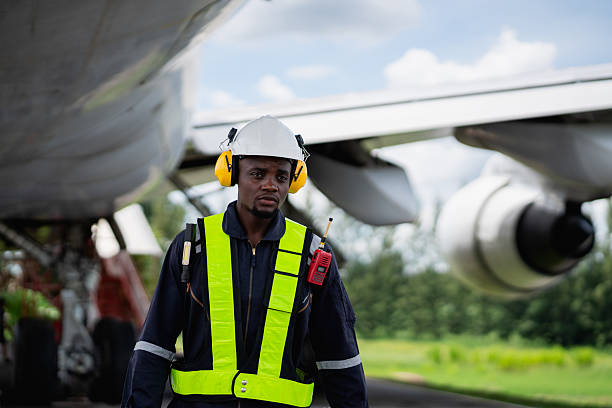
Aircraft servicing operations are a critical part of keeping flights moving safely and efficiently across African airports. While an aircraft is on the ground, several servicing activities may need to be completed before it can depart, including cleaning, water and lavatory servicing, catering, baggage and cargo handling, ground power, refuelling coordination and other turnaround tasks.
These activities need to happen in a controlled sequence while different teams work around the same aircraft. IATA’s Ground Operations Manual covers aircraft general safety and servicing operations as well as aircraft turnaround procedures, highlighting the importance of standardised processes across ground operations. (IATA)
What Aircraft Servicing Operations Include
Aircraft servicing covers a range of activities performed while an aircraft is on the ground.
Depending on the aircraft and airport, these may include:
- Aircraft cleaning
- Cabin servicing
- Potable water servicing
- Lavatory servicing
- Ground power connection
- Air conditioning support
- Catering
- Baggage handling
- Cargo loading and unloading
- Refuelling coordination
- Aircraft towing and pushback
- Waste removal
- External inspections and servicing
- Ground support equipment deployment
Some of these activities are performed by specialist providers, while others are coordinated by the airline or its ground handling partner.
Preparing Before the Aircraft Arrives
Efficient servicing begins before the aircraft reaches its parking stand.
Ground teams need information about the aircraft’s expected arrival, servicing requirements, turnaround time and departure schedule. Equipment and personnel can then be positioned before the aircraft arrives.
For example, cleaning teams can be ready for cabin access, catering vehicles can be scheduled, baggage equipment can be positioned and servicing vehicles can be prepared.
IATA recommends preparing ground services ahead of arrival and coordinating the airline, airport and ground service providers to improve turnaround efficiency. (IATA)
This preparation becomes particularly important at busy African airports where the same equipment and personnel may be required for several aircraft within a short period.
Aircraft Cleaning and Cabin Servicing
Cleaning is one of the most visible aircraft servicing activities.
After passengers leave an aircraft, cleaning teams may need to remove waste, clean seats and floors, service toilets, restock cabin supplies and prepare the aircraft for the next group of passengers.
The amount of work depends on the length of the flight, aircraft type and turnaround time.
A short domestic turnaround may require a different level of servicing from a long-haul international flight arriving after several hours in the air.
Poor coordination can make cleaning a bottleneck, particularly when the aircraft has a short scheduled turnaround.
Water and Lavatory Servicing
Aircraft require specialised servicing for potable water and lavatory systems.
Service vehicles need to reach the aircraft safely and connect to the appropriate service points. The work also needs to be completed according to established hygiene and safety procedures.
These services can be easy to overlook because passengers rarely see them, but they are essential to preparing an aircraft for its next flight.
IATA’s ground operations standards specifically include aircraft servicing activities and safety requirements relating to water, lavatory and other aircraft services. (IATA)
Ground Power and Aircraft Support
Ground power equipment can provide electrical power to an aircraft while it is parked, reducing the need to operate onboard auxiliary systems when appropriate.
Ground power units, air conditioning units and other equipment may therefore form part of the servicing operation.
The availability of reliable GSE is important because equipment failure can affect several turnaround activities at once. IATA identifies reliable and properly maintained GSE as an important factor in efficient aircraft ground operations. (IATA)
Airports and ground handlers therefore need appropriate maintenance programmes and trained equipment operators.
Catering and Cabin Supply Logistics
Catering is another time-sensitive servicing activity.
Catering vehicles need to reach the aircraft at the appropriate time, while food, beverages and other cabin supplies have to be loaded and secured correctly.
A delay in catering can become part of a wider turnaround delay if the aircraft cannot complete its departure preparations until servicing is finished.
At larger airports, catering operations also involve kitchens, refrigerated storage, delivery vehicles and schedules coordinated around individual flights.
Fuel Servicing Coordination
Aircraft refuelling is a specialist operation requiring trained personnel and appropriate procedures.
From an operational perspective, the important issue is ensuring that refuelling is planned around the aircraft’s arrival and departure schedule.
Fuel requirements can vary depending on the aircraft, route, weather, payload and operational plan. Delays can occur if fuelling teams or equipment are not available when required.
Because refuelling takes place around other aircraft servicing activities, close coordination between the relevant teams is essential.
Baggage and Cargo Servicing
Baggage and cargo are closely connected to aircraft servicing and turnaround operations.
After passengers disembark, baggage and cargo may need to be unloaded before new baggage and freight are prepared for the next flight.
Loading must be carried out according to the aircraft’s loading instructions, with appropriate weight, balance and securing procedures.
IATA’s ground operations standards include baggage handling, load control and aircraft turnaround procedures as interconnected parts of ground operations. (IATA)
Delays can occur when baggage arrives late, cargo documentation is incomplete or the necessary loading equipment is unavailable.
Ground Support Equipment for Servicing
Aircraft servicing depends heavily on GSE.
Common equipment includes:
- Ground power units
- Belt loaders
- Passenger stairs
- Catering trucks
- Water service trucks
- Lavatory service vehicles
- Baggage tractors
- Cargo loaders
- Pushback tractors
- Aircraft tugs
Equipment must be available, serviceable and suitable for the aircraft being handled.
Poorly maintained GSE can cause delays and create safety risks. IATA’s standards emphasise proper GSE management, training and safe operating procedures. (IATA)
Common Aircraft Servicing Challenges in Africa
Aircraft servicing operations across Africa can face several practical challenges.
These may include:
- Limited GSE availability
- Equipment breakdowns
- Shortage of trained ground personnel
- Poor coordination between service providers
- Airport congestion
- Limited servicing infrastructure
- Difficulties obtaining spare parts
- Electricity and charging limitations for some equipment
- Tight aircraft turnaround schedules
- Communication gaps between operational teams
The severity of these issues varies considerably between airports. A major international hub may have extensive servicing infrastructure, while smaller airports may have fewer specialised resources.
Digital Coordination of Aircraft Servicing
Technology is increasingly being used to make aircraft servicing more predictable.
Digital systems can provide information about aircraft arrival times, turnaround milestones, equipment location and the status of individual servicing activities.
IATA’s current Ground Ops of the Future programme highlights AI-integrated turnaround management, asset tracking and improved resource allocation as areas where technology can improve ground operations. (IATA)
Instead of relying entirely on sequential radio or telephone communication, relevant teams can receive operational information simultaneously and respond according to the latest aircraft status.
How Travo.ng Can Support Aviation Travel and Logistics
Travo.ng is not an aircraft maintenance organisation, fuelling company or specialist ground-handling provider. Its role is to support the wider travel and logistics requirements surrounding aviation operations.
Airline personnel, aircraft servicing contractors, technicians and aviation project teams may need to travel between airports and cities for assignments. Travo.ng can help coordinate relevant travel bookings, airport transfers, hotel reservations and vehicle hire.
For example, an aircraft servicing team travelling from Lagos to Abuja for an operational assignment may need flights, airport pickup, accommodation and local transportation. Coordinating these requirements together can make the team’s movement easier to manage.
Where eligible equipment, documents or operational materials need to be transported, Travo.ng can also support relevant delivery and logistics requirements within its service scope.
Making Aircraft Servicing More Efficient
Aircraft servicing works best when every team understands what needs to happen, when it needs to happen and who is responsible.
Airlines and ground service providers can improve performance by preparing before aircraft arrival, maintaining reliable GSE, training personnel, standardising procedures and sharing accurate operational information.
The goal should not simply be to complete servicing faster. Safety has to remain the priority, particularly when people and vehicles are working close to an aircraft.
For African airports, combining better preparation, equipment reliability, staff training and digital coordination can help reduce avoidable ground delays while making aircraft servicing operations more predictable.
