


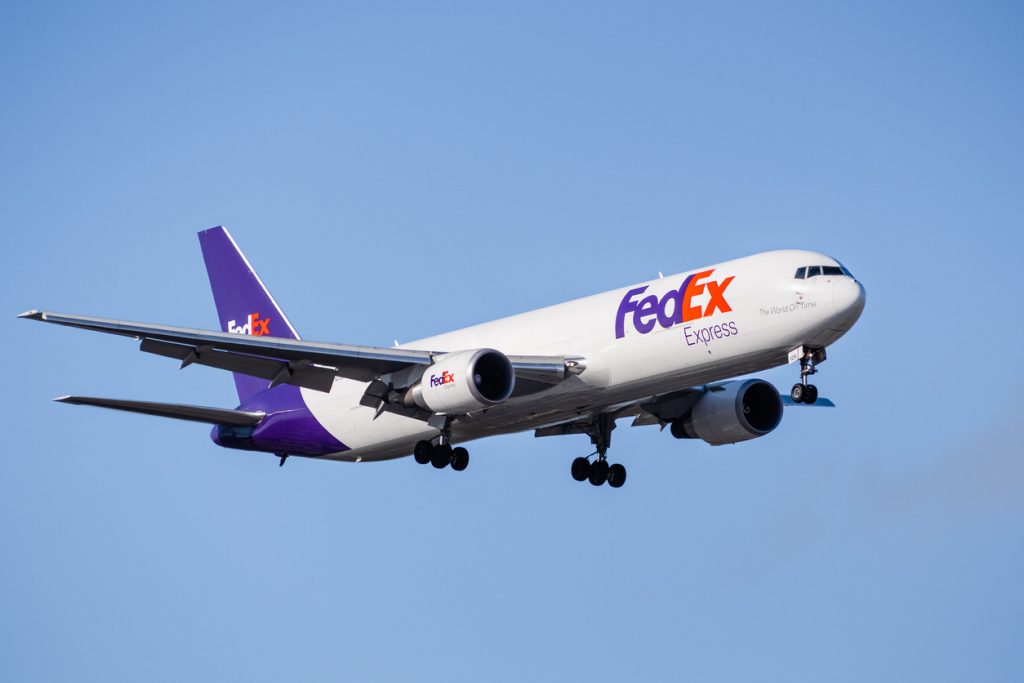
Aircraft handling delays can affect an entire flight schedule, even when the aircraft itself has no technical problem. At African airports, the turnaround process involves several teams working around the aircraft at the same time, including ramp handlers, baggage teams, cargo personnel, cleaners, catering crews, fuelling teams and passenger service staff.
When one activity starts late or equipment is unavailable, other tasks can quickly be affected. IATA identifies untimely ground handling services, missing passengers and aircraft ground damage among common causes of turnaround delays. (IATA)
For airlines operating busy routes across Africa, reducing these delays requires better planning, reliable equipment, trained personnel and stronger coordination between everyone involved.
Where Aircraft Handling Delays Usually Start
An aircraft turnaround is made up of many connected activities. Delays can begin as soon as an aircraft reaches its parking stand.
Common causes include:
- Ground handling teams arriving late
- Baggage not being ready for loading
- Shortages of ground support equipment
- Slow passenger boarding or disembarkation
- Delays with catering and cabin cleaning
- Cargo loading problems
- Poor communication between teams
- Aircraft stand availability issues
- Documentation or load-control problems
- Equipment breakdowns
- Last-minute operational changes
The difficulty is that these activities are interconnected. A delay in baggage loading, for example, can affect final loading, passenger boarding and departure preparation.
Ground Support Equipment Shortages
Ground support equipment is essential to aircraft handling. Belt loaders, passenger stairs, pushback tractors, baggage tractors, ground power units and cargo loaders all need to be available when required.
When equipment is insufficient, the handling team may have to wait for another aircraft to finish using it or move equipment from another part of the airport.
Equipment reliability is equally important. A vehicle that breaks down during a turnaround can create an unexpected delay at a critical stage.
IATA’s current ground-operations priorities include modernising GSE and improving equipment safety, while also using technology to track assets and allocate resources more effectively. (IATA)
Baggage and Cargo Handling Problems
Baggage handling is another area where small delays can quickly affect an aircraft’s departure.
Bags have to move from check-in and transfer areas to the aircraft within a limited timeframe. At busy airports, congestion or poor communication between baggage and ramp teams can slow the process.
Cargo creates similar challenges. Freight may require documentation checks, warehouse processing, security screening and movement to the aircraft.
When baggage or cargo is not ready on schedule, the aircraft may have to wait or the handling team may need to reorganise the loading sequence.
Staffing and Ground Crew Availability
Aircraft handling depends heavily on people. A shortage of trained ramp staff can make it difficult to handle several aircraft simultaneously.
The problem becomes more visible during peak travel periods when multiple flights arrive and depart within a short window.
Airports and ground handlers can reduce staffing-related delays through better shift planning, cross-training, workload forecasting and ensuring the right number of personnel are positioned before aircraft arrival.
IATA continues to identify labour availability and workforce challenges as important issues for ground operations. (IATA)
Poor Coordination Between Airport Teams
An aircraft turnaround involves multiple organisations, not just the airline.
The airline, airport operator, ground handler, baggage teams, catering company, fuelling provider, cargo operator and other service providers may all have separate responsibilities.
If each organisation works with incomplete information, delays become harder to prevent.
Airport Collaborative Decision Making (A-CDM) addresses this problem by encouraging real-time information sharing and coordinated decisions between airport stakeholders. (IATA)
For African airports, improving communication between these teams can be particularly valuable where infrastructure and resources are already under pressure.
Aircraft Ground Damage
Aircraft ground damage can create much longer delays than an ordinary handling problem.
Damage can occur when ground support equipment, vehicles or other equipment come into contact with an aircraft. Even relatively minor damage may require inspection before the aircraft can depart.
This can disrupt the affected flight and potentially create knock-on effects for later flights using the same aircraft.
IATA reported more than 29,000 aircraft ground-damage events globally in 2025, reinforcing why GSE safety and operational discipline remain important parts of ground handling. (IATA)
Delays Caused by Manual Processes
Many handling activities depend on information being passed between different teams.
When information is communicated manually through phone calls, radios, paper documents or disconnected systems, there is greater potential for information to arrive late or be misunderstood.
Digital systems can provide a shared view of aircraft turnaround activities, equipment availability, baggage status and operational milestones.
IATA says fragmented data, manual processes and delayed information remain barriers to efficient ground handling. (IATA)
Preparing Before the Aircraft Arrives
One of the simplest ways to reduce handling delays is to prepare before the aircraft reaches the stand.
Instead of waiting for arrival before organising equipment and personnel, ground teams can use the expected arrival time to position resources in advance.
Preparation can include:
- Confirming the aircraft stand
- Positioning required GSE
- Assigning handling personnel
- Preparing baggage and cargo teams
- Confirming catering requirements
- Preparing passenger boarding equipment
- Checking equipment condition
- Reviewing expected turnaround milestones
IATA similarly recommends preparing ground services ahead of aircraft arrival and coordinating closely with airport and ground service providers. (IATA)
Using Data to Track Turnaround Performance
Airlines and ground handlers cannot improve delays consistently without knowing where time is being lost.
Turnaround data can show how long different activities take and which processes regularly fall behind schedule.
Useful measurements include:
- Aircraft arrival and departure times
- Baggage loading completion
- Cargo loading completion
- Boarding completion
- Catering completion
- Cleaning completion
- Pushback readiness
- Equipment response times
- Ground damage incidents
IATA’s work on structured turnaround timestamps and digital operations indicates that better data can help operators identify delays and improve coordination. (IATA)
How Travo.ng Can Support Aviation Travel and Logistics
Travo.ng does not replace specialist aircraft ground handlers, ramp operators or aviation safety teams. Its role is to support the wider travel and logistics requirements that surround aviation operations.
For example, airline crew, aviation contractors and business travellers may need airport transfers, hotel reservations, vehicle hire and travel bookings when working across different African cities. Travo.ng can help coordinate these services so that personnel are not left arranging transportation and accommodation separately.
There can also be situations where eligible documents, equipment or operational items need to move between locations. Travo.ng’s wider delivery and logistics support can be relevant where such movement falls within its services.
For an aviation company sending a technical team from Lagos to Abuja for an airport assignment, for example, travel, airport pickup, accommodation and local transportation can be organised as part of the team’s wider movement plan.
Reducing Aircraft Handling Delays Across Africa
Aircraft handling delays are rarely caused by one issue alone. Equipment shortages, staffing gaps, baggage problems, poor communication, manual processes and unexpected operational changes can combine to extend an aircraft’s time on the ground.
The solution is therefore not simply to make individual teams work faster. Airlines and ground handlers need coordinated processes that make the right people, equipment and information available at the right time.
Standardised procedures, reliable GSE, better staff planning, real-time information and stronger cooperation between airport stakeholders can make aircraft turnaround operations more predictable.
For African aviation operators, improving these fundamentals can help reduce avoidable ground delays while maintaining the safety standards required for every aircraft movement.
