


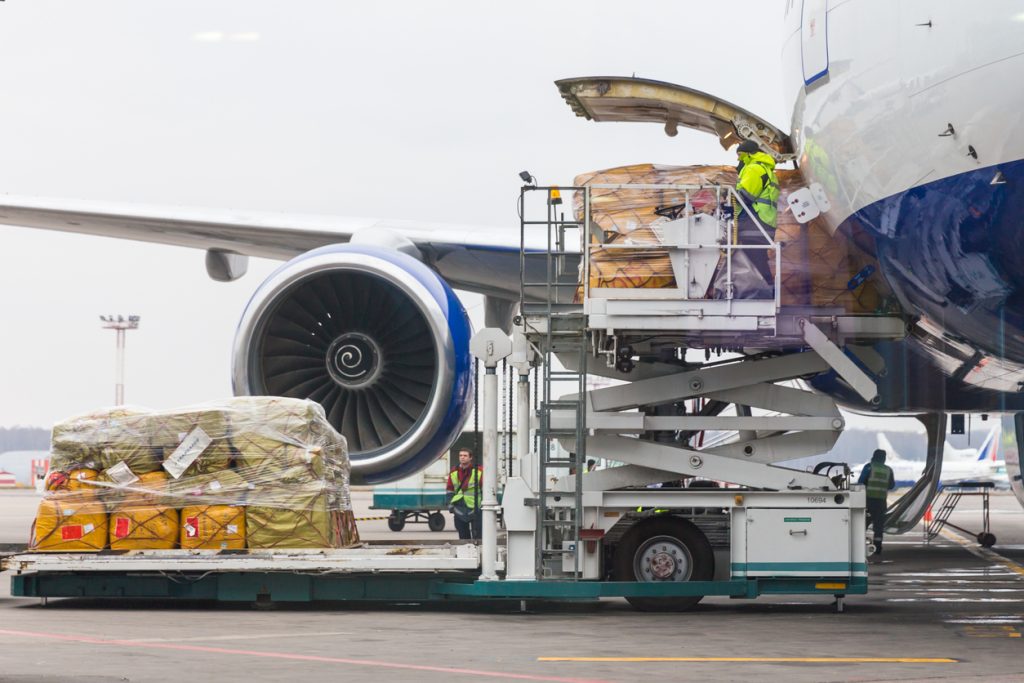
Airlines depend on more than aircraft and flight crews to keep flights moving. Every departure involves baggage, cargo, passengers, fuel coordination, ground equipment, catering, aircraft servicing, documentation and transportation between different parts of the airport.
When these activities are poorly coordinated, small problems can quickly become departure delays, missed connections, baggage issues and higher operating costs. Airport logistics solutions for airlines are therefore designed to connect these activities and make ground operations more predictable.
Modern ground operations increasingly rely on standardised procedures, better information sharing and digital coordination between airlines, airports and ground service providers. IATA identifies standardisation as an important part of improving safety, efficiency and consistency in ground handling. (IATA)
What Airport Logistics Covers for an Airline
Airport logistics covers the movement and coordination of people, equipment, baggage, cargo and supplies before, during and after an aircraft’s turnaround.
Depending on the airline and airport, this can include:
- Passenger movement and airport transfers
- Baggage handling and tracking
- Air cargo coordination
- Aircraft turnaround activities
- Ground support equipment management
- Catering and cabin-service logistics
- Fuel-service coordination
- Crew transportation
- Aircraft servicing requirements
- Cargo documentation and movement
- Hotel and accommodation arrangements for crew
- Ground transportation between airports, hotels and operational locations
The objective is not simply to move items from one location to another. The different activities must happen at the right time so that one delayed task does not disrupt the entire flight operation.
Improving Aircraft Turnaround Logistics
Aircraft turnaround is one of the most important areas for airline logistics. While an aircraft is on the ground, several teams may be working simultaneously on passenger disembarkation, baggage, cleaning, catering, refuelling, loading, technical checks and boarding.
A delay in one activity can affect the others. Effective logistics planning therefore starts before the aircraft reaches the stand.
Airlines can improve turnaround coordination by:
- Preparing equipment and personnel before arrival
- Assigning responsibilities clearly
- Tracking important turnaround milestones
- Coordinating ground handlers and airport teams
- Identifying potential delays early
- Ensuring baggage and cargo are ready for loading
- Maintaining reliable communication between operational teams
Digital turnaround systems can also provide real-time information about activities at the aircraft stand, helping teams identify delays and allocate resources more effectively. (IATA)
Baggage Logistics and Tracking
Baggage is another major part of airport logistics. A single passenger journey can involve several baggage-handling points, particularly when there is a connection between flights.
Airlines need reliable coordination between check-in, security, baggage systems, ramp teams, transfer points and the aircraft.
Modern baggage systems increasingly focus on real-time information exchange, tracking and automation. IATA’s baggage strategy highlights better data exchange and end-to-end visibility as ways of improving baggage operations and reducing mishandling. (IATA)
For airlines operating through busy African airports, this becomes particularly important during peak travel periods when passenger and baggage volumes increase significantly.
Cargo and Freight Movement
Airline logistics also extends to cargo. Freight may need to move from warehouses or customer locations to an airport cargo terminal before being prepared for loading.
This creates several coordination requirements, including:
- Pickup scheduling
- Cargo documentation
- Airport delivery
- Warehouse coordination
- Customs-related processes
- Special cargo handling
- Temperature-sensitive shipments
- ULD preparation and movement
- Final aircraft loading
Poor coordination can leave cargo waiting at the airport even when the aircraft is ready, or cause shipments to miss their planned flight.
Air cargo operations depend on consistent handling processes, safe ULD management and efficient warehouse procedures. (IATA)
Ground Transportation for Airline Operations
Airlines often need transportation beyond the aircraft itself. Crew members may require transfers between hotels and airports, while passengers may need airport pickup or onward transportation after disruptions.
Operational teams may also need vehicles to move personnel, documents, equipment or cargo between locations.
This is particularly relevant in cities such as Lagos, Abuja, Accra and Nairobi, where airport access can be affected by traffic, distance and changing road conditions.
Pre-arranged transportation can reduce uncertainty compared with trying to organise vehicles after an aircraft has already arrived.
Managing Ground Support Equipment
Ground support equipment includes the vehicles and equipment required to service an aircraft while it is on the ground.
If the required equipment is unavailable, poorly positioned or undergoing maintenance, other turnaround activities may have to wait.
Airlines and ground handlers can improve equipment logistics by:
- Tracking equipment availability
- Scheduling preventive maintenance
- Positioning equipment before aircraft arrival
- Monitoring equipment utilisation
- Coordinating equipment between stands
- Using digital tracking where appropriate
Better equipment planning helps prevent avoidable delays and improves the use of available airport resources.
Using Technology to Coordinate Airport Logistics
Technology can bring different parts of airport logistics into a shared operational picture.
Instead of relying entirely on phone calls, radios and disconnected spreadsheets, airlines can use digital systems to monitor baggage, aircraft turnaround activities, equipment, cargo and operational milestones.
Real-time data can help teams answer practical questions such as:
- Has the baggage arrived at the aircraft?
- Is the required ground equipment available?
- Has catering been completed?
- Is boarding progressing as planned?
- Is a turnaround task falling behind schedule?
- Does the crew transportation schedule need adjustment?
IATA’s current ground-operations work also highlights digital load reconciliation, asset tracking and structured turnaround timestamps as areas where technology can improve operational coordination. (IATA)
Handling Disruptions and Last-Minute Changes
Airport logistics also needs to account for unexpected events. Weather, technical issues, traffic congestion, baggage problems, aircraft changes and flight cancellations can quickly change an airline’s original plan.
A good logistics system should therefore have contingency options.
For example, if a flight is delayed for several hours, the airline may need to reorganise passenger transfers, crew transportation, hotel accommodation, baggage movement or cargo arrangements.
Having trusted logistics partners and pre-planned alternatives can make these situations easier to manage.
How Travo.ng Can Support Airline Travel and Logistics
Travo.ng can support the wider travel and transportation requirements that surround airline operations without replacing specialist aviation functions such as aircraft handling, fuelling or air traffic control.
For airline personnel, passengers and business travellers, Travo.ng can help coordinate relevant services such as airport transfers, travel bookings, hotel reservations, vehicle hire and delivery or cargo logistics where required.
For example, an airline crew arriving in Lagos may need airport pickup and transportation to a hotel, while a business traveller arriving for an aviation-related project may require accommodation and onward transport. A company moving operational documents or eligible cargo may also require coordinated delivery.
By bringing these related travel and logistics requirements together, Travo.ng can help reduce the amount of separate coordination required around an airline’s wider movement needs.
Building a More Reliable Airline Logistics Operation
Effective airport logistics is ultimately about coordination. An airline can have modern aircraft and experienced staff, but poor movement of passengers, baggage, cargo, equipment or personnel can still create operational problems.
The strongest logistics approach combines clear procedures, reliable service partners, accurate information and contingency planning.
For airlines operating across Africa, practical solutions should also account for local realities such as airport congestion, road traffic, infrastructure limitations, seasonal passenger demand and the distance between airports and major business or accommodation areas.
When these factors are planned for in advance, airlines can make ground operations more predictable, reduce avoidable disruption and provide a smoother experience for passengers and operational teams.
