


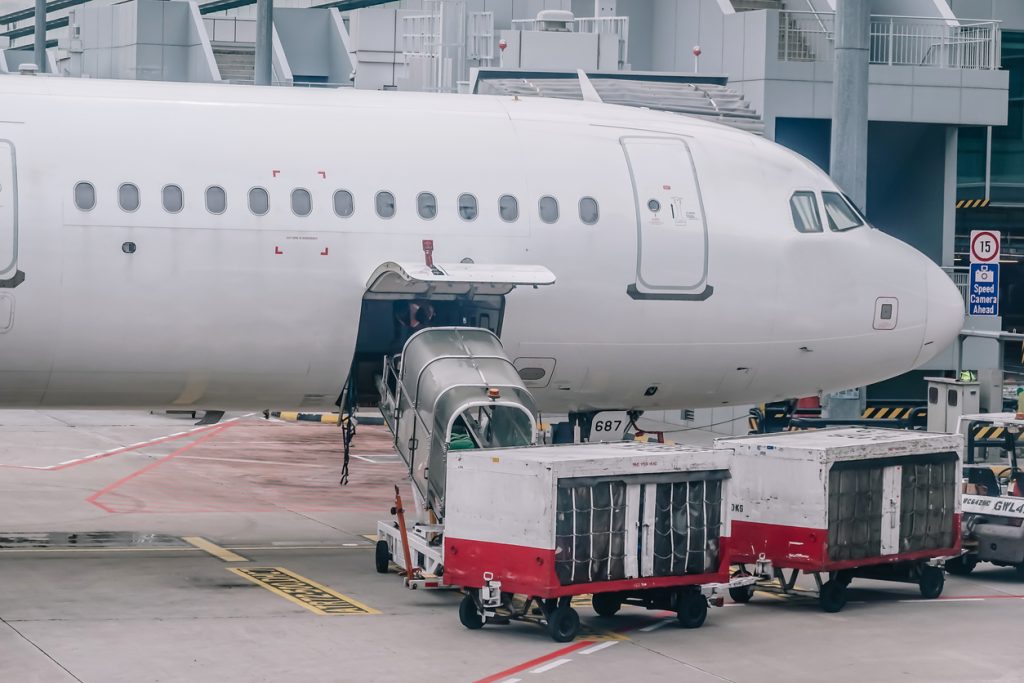
Airport logistics services in Africa cover the movement, storage and coordination of people, cargo, equipment and supplies around airports. These services connect airlines, passengers, freight forwarders, customs agents, warehouses, ground handlers and road transport providers.
A smooth airport logistics operation is especially important when cargo is time-sensitive or when businesses need to move people and goods between airports, warehouses and final destinations. At Lagos Murtala Muhammed International Airport, for example, FAAN has recently engaged customs agents and freight forwarders to address bottlenecks affecting cargo processing and movement. (FedMin Info & Nat Orientation)
For businesses operating across Africa, choosing the right logistics support can help reduce unnecessary waiting, missed connections and problems with last-mile transportation.
What Airport Logistics Services Include
Airport logistics is broader than simply collecting a shipment from an airport.
Depending on the operation, services can include:
- Air cargo transportation
- Airport pickup and delivery
- Freight forwarding
- Customs coordination
- Cargo warehousing
- Ground transportation
- Baggage and luggage movement
- Equipment transportation
- Cold-chain logistics
- Import and export logistics
- Staff and crew transportation
- Airport-to-warehouse delivery
- Last-mile distribution
The exact services required depend on whether the customer is an airline, importer, exporter, freight forwarder, corporate traveller or logistics company.
Air Cargo Logistics
Cargo handling is one of the most important areas of airport logistics.
After an aircraft lands, cargo may need to move through a cargo terminal, customs inspection, warehouse and eventually onto a truck for delivery.
This requires coordination between multiple parties. A delay in documentation or customs clearance can leave cargo sitting at the airport even when transportation is already available.
Large African cargo hubs are increasingly supporting more specialised logistics. Swissport, for example, operates cargo warehouses across several African countries, including facilities supporting pharmaceutical and perishable goods. (Swissport)
Airport-to-Warehouse Transportation
Getting cargo out of the airport is often only the beginning.
A shipment arriving at Lagos airport might need to travel to a warehouse in Ikeja, a distribution centre elsewhere in Lagos or another Nigerian state. Similar movements take place around airports in Nairobi, Johannesburg, Accra, Cairo and other major African logistics hubs.
Reliable airport transportation should therefore consider:
- Collection timing
- Cargo size and weight
- Vehicle requirements
- Airport access procedures
- Traffic conditions
- Delivery location
- Loading and unloading requirements
For large or heavy consignments, trucks and specialised vehicles may be more appropriate than ordinary delivery vehicles.
Customs and Import Logistics
International airport cargo can require significant documentation before it can be released.
Importers may need to coordinate with customs brokers, freight forwarders and other authorised parties before the shipment arrives. Preparing the necessary information in advance can help prevent avoidable delays.
The logistics provider should also understand what happens after clearance. There is little value in completing customs processing quickly if the cargo then remains at the airport because no vehicle has been arranged for collection.
Cold Chain Airport Logistics
Some cargo requires controlled temperatures throughout its journey.
Pharmaceuticals, vaccines, fresh produce and other temperature-sensitive goods may require specialised warehouses, refrigerated vehicles and carefully planned transfers.
Cold-chain logistics therefore needs to cover the complete movement from aircraft to storage facility and eventually to the final destination.
African cargo hubs such as Nairobi and Dar es Salaam already have specialised infrastructure for temperature-sensitive shipments, reflecting the growing importance of this part of airport logistics. (Swissport)
Ground Transportation Around Airports
Airport logistics also involves people.
Airline personnel, engineers, executives, contractors, visiting clients and other business travellers may need transportation between airports, hotels, offices, warehouses and project locations.
A company sending a team to Lagos for an airport project, for example, may need airport pickup, hotel transportation and scheduled vehicles for several days.
Coordinating these journeys in advance can be more efficient than arranging individual trips after employees arrive.
Warehousing and Cargo Storage
Warehousing can be important when cargo cannot immediately continue to its final destination.
An airport logistics operation may involve temporary storage, inventory management, pick-and-pack services or onward distribution.
The warehouse needs to match the type of cargo being handled. Perishables, pharmaceuticals, valuable goods and general cargo can have very different storage requirements.
Good warehouse coordination also helps prevent congestion at airport cargo terminals by moving cleared shipments into appropriate storage or onward transportation quickly.
Airport Logistics for Imports and Exports
Businesses involved in international trade often need logistics support on both sides of an airport shipment.
An exporter may need cargo collected from its warehouse, transported to the airport, processed for departure and handed over to the appropriate cargo operator.
An importer may need the reverse process: airport collection, customs clearance, transportation to a warehouse and final delivery.
Managing these stages as one logistics chain can reduce communication gaps between separate providers.
Digital Tracking and Delivery Coordination
Technology is increasingly important to airport logistics.
Businesses want to know when cargo has arrived, whether it has cleared the required processes, when it will be collected and where it is during onward transportation.
Digital tracking can provide better visibility and help logistics teams respond quickly when a shipment is delayed.
The same principle applies to passenger transportation. Flight-based scheduling can help airport pickup providers adjust arrangements when flights arrive earlier or later than expected.
Airport Logistics at Major African Hubs
The logistics requirements of African airports differ according to traffic levels, infrastructure and the types of cargo they handle.
Lagos is an important gateway for Nigerian imports, exports and international travel. Nairobi has a major role in East African passenger and cargo connectivity, while Johannesburg, Addis Ababa, Cairo and Accra serve important regional and international networks.
At busy hubs, logistics providers need to manage higher volumes while maintaining reliable transportation, storage and documentation processes.
Regional networks can also be valuable when businesses need to move goods between several African countries rather than handling each shipment through a separate local provider.
Choosing an Airport Logistics Provider
Businesses should look beyond the advertised price when selecting an airport logistics provider.
Important questions include:
- Which airports and cities does the provider cover?
- Can it handle the required cargo type?
- Are appropriate vehicles available?
- Can it coordinate airport pickups and deliveries?
- How is cargo tracked?
- Can it work with customs and freight partners?
- Does it offer warehousing where required?
- Can it handle urgent or time-sensitive shipments?
- What happens if the original transportation plan fails?
The right provider should fit the actual movement requirements rather than simply offering a generic delivery service.
How Travo.ng Can Support Airport Logistics
Travo.ng can support several of the wider transportation and logistics needs that surround airport operations. Its current services include airport pickups, travel, drivers, haulage, international shipping, warehousing and delivery-related services. (Travo Blog)
For example, a company receiving visitors at Lagos airport can arrange a meet-and-greet airport pickup and transportation to a hotel or office. A business moving goods may also require a truck or delivery vehicle for onward transportation, while international trade requirements can involve shipping and customs-related logistics.
Travo.ng can also coordinate business travel requirements, including airport transportation for employees, executives and visiting clients. Its airport transportation service supports flight-based scheduling, hotel transfers, executive vehicles and group transportation. (Travo Blog)
This makes Travo.ng useful for the wider movement of people and goods around airport operations without presenting it as an airport authority or specialist aircraft ground handler.
Making Airport Logistics More Reliable
Reliable airport logistics requires coordination from the moment cargo or passengers arrive until they reach their final destination.
For cargo, that means connecting airfreight, customs, warehousing, road transportation and final delivery. For people, it can mean coordinating flights, airport pickups, hotels, drivers and onward transportation.
African airport logistics will continue to become more interconnected as trade, passenger travel and regional aviation develop. Businesses that plan the entire movement rather than treating each stage separately can reduce avoidable delays and make their airport operations easier to manage.
