


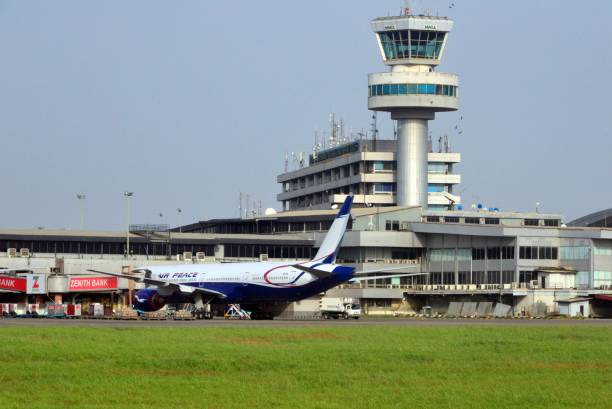
Aircraft ground operations involve almost every activity that takes place between an aircraft’s arrival and its next departure. Passenger handling, baggage, cargo, fuelling, cleaning, catering, ground support equipment and ramp activities all have to work together within a limited turnaround period.
For African airlines, airports and ground handling companies, problems in any one of these areas can create delays, safety risks and additional operating costs. Aircraft ground operations consulting helps organisations examine these processes, identify weaknesses and develop practical improvements suited to their operating environment.
IATA’s ground operations consulting services cover areas including process improvement, facility planning, baggage, aircraft turnaround management, ramp safety, regulatory compliance and risk management. (IATA)
What Aircraft Ground Operations Consulting Covers
A ground operations consultant can review different parts of an organisation’s airside and turnaround activities depending on the assignment.
Typical areas include:
- Aircraft turnaround management
- Ramp operations
- Ground handling procedures
- Baggage operations
- Cargo handling
- Ground support equipment
- Load control
- Passenger handling
- Safety management
- Staff training
- Operational audits
- Resource allocation
- Ground handling contracts and service levels
The purpose is not simply to identify what is going wrong. A useful consulting engagement should establish why the problem occurs and provide an implementation plan that operational teams can actually use.
Reviewing Aircraft Turnaround Performance
Turnaround time is one of the most important areas consultants can examine.
An aircraft may arrive on schedule but still depart late because several ground activities are taking longer than expected. A consultant can map each stage of the turnaround and identify where time is being lost.
The assessment may examine baggage unloading, cleaning, fuelling, catering, passenger boarding, cargo loading, load control and pushback.
IATA identifies untimely ground handling services, communication problems and ground damage among factors that can disrupt aircraft turnaround. (IATA)
Instead of simply telling staff to work faster, consulting should focus on improving the underlying process.
Ground Handling Process Improvement
Ground handling becomes more complicated when several airlines, handlers and airport departments operate within the same environment.
Different procedures can create confusion, particularly when staff work across multiple airline customers.
Consultants can review existing procedures and compare them with recognised industry practices. Standardisation can reduce variations between operators, simplify training and improve operational consistency. IATA’s IGOM is specifically designed to standardise ground handling processes across airlines, airports and ground service providers. (IATA)
The resulting recommendations might involve revised standard operating procedures, clearer responsibilities or improved communication between departments.
Ramp Safety and Risk Management
Aircraft ramps are busy environments where aircraft, vehicles, equipment and personnel operate in close proximity.
Consulting can therefore examine how vehicles are used, where equipment is positioned, how staff access aircraft and how incidents and near misses are reported.
A safety review may include:
- Ramp safety procedures
- Ground vehicle movements
- GSE operations
- Aircraft access
- Fueling safety
- Personnel training
- Incident reporting
- Emergency procedures
- Risk assessments
The objective is to improve safety without creating procedures that are too complicated for employees to apply during normal operations.
Ground Support Equipment Management
Ground support equipment can become a major operational constraint when equipment is unavailable, poorly maintained or incorrectly positioned.
Consultants can examine how GSE is purchased, allocated, maintained and monitored.
This may involve reviewing equipment utilisation, maintenance schedules, standby capacity and the movement of equipment between aircraft stands.
IATA identifies asset tracking and optimal resource allocation as important areas for the future of ground operations, including the use of telematics for GSE fleets. (IATA)
For African airports with limited equipment resources, better allocation can sometimes produce improvements without immediately requiring a large expansion of the fleet.
Baggage and Cargo Operations
Baggage and cargo processes can have a direct effect on aircraft turnaround.
A consultant may examine how baggage moves from check-in to sorting and eventually to the aircraft. Cargo operations may require additional attention to documentation, warehouse processes, security and loading procedures.
The review can identify where cargo or baggage waits unnecessarily and whether responsibilities between terminal, warehouse and ramp teams are clearly defined.
This can be particularly important at airports experiencing growing passenger and freight volumes.
Improving Communication Between Teams
A ground operation involves many teams that need the same information at the right time.
Airline operations may know that an aircraft is arriving early, while a ground handling team may still be working to the original schedule. Similarly, a delay in baggage loading may not immediately be visible to the team coordinating boarding.
Consultants can review communication structures and determine whether operational teams have a shared view of important turnaround milestones.
Digital turnaround systems can help by making task progress and timing information more visible to multiple teams. IATA is also examining AI-supported turnaround systems that can share operational information across stakeholders in real time. (IATA)
Training and Staff Competence
Ground operations depend heavily on people. Even good procedures can fail when employees do not understand them or lack the training required to perform their roles safely.
Consulting projects may therefore include training needs assessments, competency reviews, refresher programmes and improved operating procedures.
Training can cover areas such as ramp safety, baggage handling, load control, GSE operation, aircraft servicing and emergency response.
Standardised procedures also make it easier to create consistent training programmes across different teams. (IATA)
Ground Operations Consulting for African Airports
African airports do not all have the same infrastructure, traffic volumes or operational resources.
A consulting approach designed for a major international hub may not be appropriate for a smaller regional airport. Consultants therefore need to understand the specific airport environment, including available equipment, staffing, terminal capacity, road access and local service providers.
African aviation consultancy providers increasingly offer services such as airside operations management, ground handling training, audits and compliance assessments specifically adapted to African operating environments. (Haab Aviation)
The most useful recommendations are those that can realistically be implemented with the resources available.
Measuring the Results of Consulting
An airport or airline should be able to determine whether an operational improvement programme is actually working.
Useful performance indicators can include:
- Average aircraft turnaround time
- Ground-related departure delays
- Baggage handling performance
- GSE availability
- Equipment-related incidents
- Ramp safety incidents
- Staff productivity
- Ground handling costs
- Missed turnaround targets
- Customer service complaints
Measurements should be established before major changes are introduced so that performance can be compared afterwards.
How Travo.ng Can Support Aviation Travel and Logistics
Travo.ng can support the wider travel and logistics requirements surrounding aircraft ground operations, while specialist consultants, airlines and ground handlers remain responsible for technical airside operations.
For example, an aviation company carrying out an operational review may need engineers, consultants or project staff to travel to Lagos, Abuja, Accra, Nairobi or another African destination. Travo can help coordinate relevant travel bookings, airport transfers, hotel reservations and vehicle hire around their schedules.
Where an aviation project also requires movement of equipment or items between airports and other locations, Travo can support relevant delivery, cargo logistics and transportation coordination where applicable.
This allows specialist aviation teams to focus on ground operations while Travo helps manage the wider movement of people and logistics connected to the assignment.
Choosing an Aircraft Ground Operations Consultant
Airlines, airports and ground handling companies should assess a consultant based on the specific operational problem they need to solve.
Relevant questions include:
- Does the consultant have practical ground operations experience?
- Can they conduct operational and safety assessments?
- Do they understand local regulatory requirements?
- Can they analyse turnaround performance?
- Do they understand GSE and resource management?
- Can they train operational staff?
- Will they provide an implementation plan?
- Can performance improvements be measured after the engagement?
A good consulting assignment should produce more than a report. It should give the organisation clear priorities, defined responsibilities and practical steps for improving operations.
Building Stronger Ground Operations Across Africa
Aircraft ground operations consulting can help African aviation organisations address operational weaknesses before they become recurring delays or safety problems.
The strongest approach combines standardised procedures with local knowledge. It considers the aircraft, people, equipment, airport infrastructure and service providers as parts of one connected operation.
With better turnaround planning, stronger safety systems, effective GSE management, trained personnel and clearer communication, airlines and airports can build ground operations that are safer, more predictable and easier to manage as traffic grows.
