


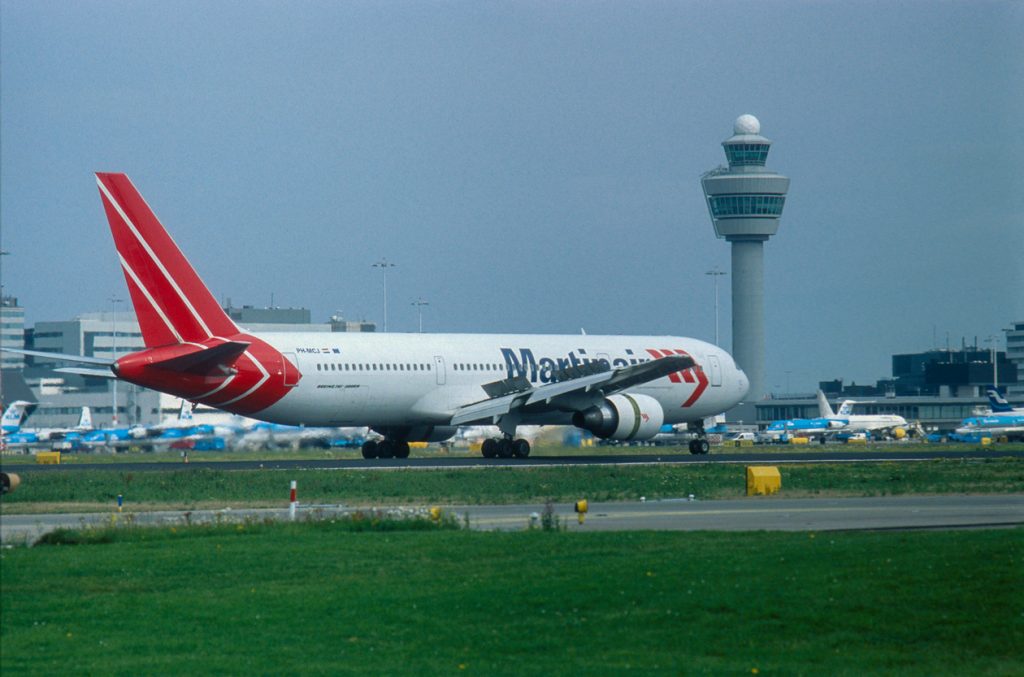
Airport turnaround is the period between an aircraft arriving at its stand and being ready to depart again. During this relatively short window, several activities have to happen in the right sequence, including passenger disembarkation, baggage unloading, cleaning, catering, refuelling, cargo handling, boarding and pushback.
When one activity falls behind, the delay can affect the entire departure schedule. This makes airport turnaround solutions increasingly important for African airlines, airports and ground handling companies looking to improve on-time performance and make better use of limited airport resources.
What Makes Aircraft Turnaround Difficult
An aircraft turnaround involves several teams working around the same aircraft at the same time. These can include airline staff, ground handlers, baggage teams, catering companies, fuelling teams, cleaning crews and airport operations personnel.
Common sources of turnaround delays include:
- Ground support equipment arriving late
- Limited ramp equipment
- Slow baggage loading or unloading
- Delayed fuelling
- Late catering or cleaning
- Passenger boarding delays
- Poor communication between teams
- Stand or gate changes
- Insufficient ground staff
- Unexpected aircraft or schedule changes
The problem is often not one individual task. It is the lack of coordination between several tasks that need to be completed within the same timeframe.
Improving Turnaround Planning
Effective turnaround management starts before the aircraft reaches the stand.
Operations teams should know the expected arrival time, aircraft type, stand allocation, passenger volume, baggage requirements and services required for the flight.
A clear turnaround plan can then assign responsibilities and expected completion times to each team.
For busy airports, planning should also consider what other aircraft are arriving and departing at the same time. A shortage of buses, baggage equipment, stands or trained personnel can affect several flights if resources are not allocated properly.
Better Coordination Between Ground Teams
Communication is one of the simplest but most important airport turnaround solutions.
Ground teams need to know when an aircraft arrives, when baggage operations begin, whether fuelling has started, when cleaning is complete and whether boarding can proceed.
Using separate communication channels for each department can make it difficult for operations controllers to understand the full situation.
Modern turnaround systems increasingly bring flight, milestone, staff and equipment information into a shared operational view. Industry technology providers use real-time monitoring and resource allocation to help ground teams identify activities that are falling behind. (Rsmart)
Managing Ground Support Equipment
Ground support equipment can directly affect turnaround performance.
Baggage tractors, belt loaders, ground power units, passenger stairs, pushback tractors and other equipment need to be available when and where they are required.
Simply owning enough equipment does not guarantee availability. Equipment may be undergoing maintenance, assigned to another aircraft or positioned too far from the required stand.
Tracking equipment location, utilisation and maintenance status can help airport operators and ground handlers identify these problems earlier. IATA highlights asset tracking and optimal resource allocation as areas where connected technology can improve ground operations. (IATA)
Managing Baggage and Cargo
Baggage and cargo operations need to fit into the aircraft’s turnaround window.
Baggage teams must unload arriving bags and prepare departing baggage without interfering with other ramp activities. Cargo may require additional documentation, security checks, warehouse handling and specialised equipment.
Delays can occur when cargo arrives late at the aircraft or when loading information changes close to departure.
Better coordination between cargo terminals, baggage teams, airline operations and ramp personnel can reduce unnecessary waiting time.
Improving Passenger Boarding
Passenger boarding can become a significant source of turnaround delay, particularly when there are large passenger volumes or passengers require additional assistance.
Airlines and airports can improve boarding performance through better gate preparation, timely passenger information, appropriate staffing and clear coordination between gate and ramp teams.
Boarding also needs to be coordinated with baggage and load-control requirements. An aircraft may appear ready for departure but still require additional operational checks before the doors can be closed.
Using Real-Time Turnaround Data
One of the biggest improvements available to airport operations teams is better visibility into what is happening around the aircraft.
Instead of discovering that a service is late after the scheduled departure time has passed, operations teams can monitor individual turnaround milestones and intervene earlier.
Turnaround technology can track events such as baggage completion, cleaning, catering, fuelling and boarding. Some systems also combine historical and real-time information to identify recurring causes of delays. (Schiphol)
This data can then be used after the flight to determine why a turnaround missed its target.
Standardising Turnaround Procedures
Different ground handling teams may work at the same airport, while airlines may have their own operating requirements.
Standardised procedures help ensure that responsibilities are understood regardless of which team is working on a particular flight.
Airports and airlines can establish clear service-level expectations covering equipment availability, response times, task completion and escalation procedures.
Performance should then be measured consistently rather than relying only on general observations about whether flights are leaving late.
Handling Turnaround Problems Before They Become Delays
A useful turnaround solution should not only record delays. It should help teams respond while there is still time to recover the departure.
For example, if cleaning is running behind schedule, an operations controller may be able to reassign staff. If a baggage vehicle is unavailable, another unit may be redirected. If a stand becomes unavailable, the airport can begin coordinating an alternative earlier.
This proactive approach is particularly valuable during busy operating periods when one delayed aircraft can affect subsequent flights.
Airport Turnaround Challenges in Africa
African airports operate under different infrastructure and resource conditions. Some major hubs have extensive ground handling infrastructure, while smaller airports may have fewer stands, vehicles, equipment and specialised service providers.
Road congestion can also affect the movement of staff, catering supplies and other airport resources outside the airside environment.
For airlines operating across several African countries, turnaround plans therefore need to reflect the realities of individual airports rather than assuming that the same resources are available everywhere.
Measuring Turnaround Performance
Airports and airlines need measurable indicators to determine whether their turnaround improvements are working.
Useful measurements can include:
- Actual turnaround time
- Target versus actual off-block time
- Baggage completion time
- Boarding completion time
- Fuelling completion time
- Cleaning completion time
- Ground equipment utilisation
- Delays attributable to ground services
- Number of missed turnaround targets
- Frequency of equipment-related delays
Regular analysis can reveal whether delays are isolated incidents or recurring problems within a particular process.
How Travo.ng Can Support Airport Travel and Logistics
Travo.ng can support the wider travel and logistics activities connected to airport operations, while specialist airport teams remain responsible for aircraft turnaround and airside handling.
For example, an aviation company sending engineers, ground staff or project personnel to Lagos, Abuja, Accra, Nairobi or another African destination may need flights, airport transfers, accommodation and local transportation coordinated around their schedules.
Travo can help organise these supporting travel requirements. Where relevant, it can also support delivery, cargo logistics, vehicle hire and transportation coordination for businesses whose airport activities involve movement beyond the terminal.
This makes Travo useful on the wider logistics side of an aviation operation, without presenting it as a ground handling or aircraft turnaround contractor.
Building More Reliable Turnarounds Across Africa
Improving aircraft turnaround times is not simply about asking ground teams to work faster. It requires better planning, appropriate staffing, reliable equipment, clear responsibilities and timely information.
Airports and airlines can start by identifying their most common turnaround delays, measuring each stage of the process and determining which problems can be addressed through better resource allocation, training, communication or technology.
When all participating teams have a clearer picture of the aircraft’s status and the resources available to them, turnaround operations become easier to manage. For African airports facing growing passenger and cargo demand, that coordination can be an important part of improving capacity without relying entirely on new infrastructure.
