


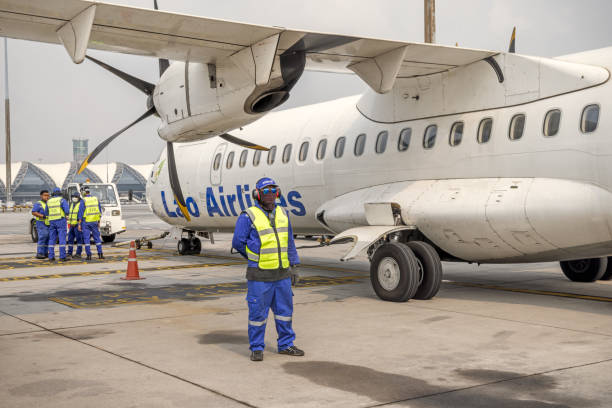
Airline ground operations in Africa cover everything that happens around an aircraft while it is on the ground, from arrival and passenger handling to baggage, cargo, refuelling, catering, cleaning, loading and departure.
These activities have to happen within a limited turnaround window, often involving several teams and service providers working around the same aircraft. IATA describes ground handling as an integral part of airline operations, with safety, on-time performance, equipment and workforce availability among the major operational concerns. (IATA)
For African airlines and airports, effective ground operations require careful coordination between airlines, airports, ground handlers, security teams, cargo operators and transportation providers.
What Airline Ground Operations Include
Ground operations begin before an aircraft arrives at its parking stand. Teams need to know the expected arrival time, aircraft type, stand location, turnaround requirements and services required for the flight.
Typical activities include:
- Aircraft arrival and parking coordination
- Passenger boarding and disembarkation
- Baggage loading and unloading
- Cargo and mail handling
- Aircraft cleaning
- Catering
- Refuelling coordination
- Ground power and other equipment
- Pushback and towing
- Load control
- Ramp safety
- Departure coordination
Each activity has to fit into the overall turnaround plan. A delay in one service can affect another, potentially delaying the aircraft’s departure.
Why Ground Operations Matter to African Airlines
An aircraft can be technically ready to fly but still remain on the ground because a baggage team is late, catering has not arrived, loading is incomplete or required ground equipment is unavailable.
This makes ground operations an important part of airline punctuality and network reliability.
IATA notes that safe and on-time turnarounds are a priority for airlines and ground handling providers, while standardised procedures can reduce operational complexity and improve efficiency. (IATA)
For airlines operating multiple routes, consistent ground procedures also make it easier to coordinate operations across different airports.
Aircraft Turnaround Coordination
Turnaround coordination is at the centre of airline ground operations.
Once an aircraft arrives, multiple activities may begin simultaneously. Passengers need to disembark, baggage and cargo need to be unloaded, the aircraft may require cleaning and servicing, and the next passenger group needs to be prepared for boarding.
The turnaround team must monitor these activities and identify problems before they affect departure.
Factors that can influence turnaround time include:
- Aircraft type
- Number of passengers
- Baggage volume
- Cargo requirements
- Ground equipment availability
- Weather
- Stand location
- Ground handler staffing
- Cleaning and catering requirements
- Fuel requirements
A realistic turnaround plan should account for the specific airport and aircraft rather than relying on one standard timing for every operation.
Ground Support Equipment Availability
Ground support equipment is essential for aircraft servicing. Depending on the operation, equipment may include baggage tractors, belt loaders, passenger stairs, ground power units, pushback tractors and other specialised vehicles.
Equipment shortages or poor positioning can create delays even when sufficient personnel are available.
Maintenance is equally important. Equipment that frequently breaks down can disrupt several flights during a busy operating period.
Airlines and handlers therefore need systems for equipment allocation, inspection, maintenance and replacement.
Baggage and Cargo Handling
Baggage and cargo are closely connected to aircraft turnaround performance.
Bags need to be collected, sorted, transported to the aircraft and loaded correctly within the available turnaround window. Cargo operations may involve additional documentation, security procedures, warehouse processes and special handling requirements.
A mistake in loading or documentation can create delays beyond the immediate flight.
Standardised procedures are therefore important. IATA’s ground operations standards cover areas including passenger handling, baggage, aircraft servicing, turnaround, load control and airside safety oversight. (IATA)
Managing Ground Operations During Peak Periods
African airports can experience significant operational pressure during holiday periods, major events, busy travel seasons and periods of increased regional traffic.
More aircraft movements mean more demand for stands, baggage teams, vehicles, equipment and passenger processing facilities.
Airlines and handlers can prepare by reviewing expected schedules and allocating resources before the busiest periods begin.
This can include increasing staffing where necessary, positioning equipment closer to expected aircraft stands and coordinating with airport operators about stand and gate availability.
Safety on the Airport Ramp
The airport ramp is a highly active environment where aircraft, vehicles, equipment and people operate in close proximity.
Safety cannot be sacrificed simply to achieve a faster turnaround.
Staff need appropriate training, clear procedures and effective communication. Equipment must also be operated and positioned correctly to avoid aircraft damage, personnel injuries and operational disruptions.
IATA has highlighted stronger implementation of global ground handling standards, modern ground support equipment and digitalisation as important areas for improving ground handling resilience. (IATA)
Technology in Airline Ground Operations
Technology can give airline and ground handling teams better visibility over what is happening during a turnaround.
Digital systems can support aircraft turnaround monitoring, baggage tracking, equipment management, workforce allocation and communication between operational teams.
The value comes from connecting useful information to operational decisions. If a baggage process is falling behind, for example, the relevant team should be able to identify the problem early enough to respond.
Digitalisation can also reduce reliance on disconnected communication channels and manual reporting.
Working With Ground Handling Providers
Many airlines rely on third-party ground handling providers at some airports. This makes coordination and clearly defined responsibilities particularly important.
Airlines need to establish service expectations, operating procedures, communication channels and performance measures with their ground handling partners.
Regular performance reviews can examine issues such as delayed departures caused by ground services, baggage handling performance, equipment availability, safety incidents and response times.
Standardisation also helps reduce differences between airline-specific procedures and ground handler practices. IATA’s IGOM is specifically designed to standardise ground handling processes across airlines, airports and ground service providers. (IATA)
How Travo.ng Can Support Airline Travel and Logistics
Travo.ng can support the wider travel and transportation requirements surrounding airline ground operations without acting as an airline ground handler or aviation operations contractor.
For example, an airline team, aviation contractor or business travelling to Lagos, Abuja, Accra, Nairobi or another African destination may require airport transfers, hotel reservations, vehicle hire or coordinated travel arrangements. Travo can help organise these supporting services around the relevant flight schedule.
For organisations moving people or items between airports and other locations, Travo can also support delivery, cargo logistics and transportation coordination where appropriate.
This gives aviation businesses a practical way to manage the travel and logistics surrounding their operations while specialist airport teams remain responsible for airside and aircraft handling activities.
Improving Airline Ground Operations Across Africa
Reliable ground operations depend on coordination rather than one department working in isolation. Airlines, airports, ground handlers, cargo teams, security personnel and transportation providers all influence how smoothly an aircraft moves through its turnaround.
African aviation operators can strengthen performance by improving staff training, equipment availability, standard operating procedures, communication, baggage and cargo coordination, and the use of operational data.
The objective should always be a safe and well-coordinated turnaround rather than simply trying to make aircraft leave the ground faster. When each activity is properly planned and monitored, airlines can reduce avoidable disruptions while maintaining the safety and service standards expected from modern aviation operations.
