


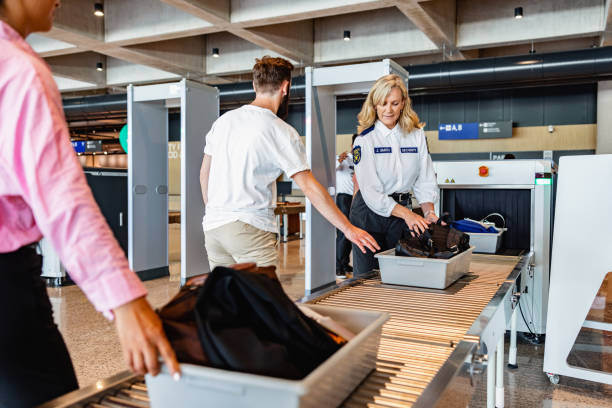
Smart airport solutions in Africa are becoming increasingly important as airports look for better ways to manage passengers, aircraft, cargo, staff and infrastructure. Instead of relying heavily on disconnected manual processes, smart airport systems use digital platforms, automation, sensors, data analytics and connected infrastructure to improve how airport operations are planned and managed.
The idea is not simply to install more technology. A smart airport should use technology to solve specific operational problems such as congestion, poor resource allocation, baggage delays, inefficient communication and limited visibility across airport activities.
What Makes an Airport Smart?
A smart airport connects different parts of the airport environment so that information can be collected, shared and acted upon more efficiently.
Depending on the airport, smart solutions may include:
- Digital airport management platforms
- Automated passenger processing
- Biometric identification
- Smart security systems
- Baggage tracking
- Real-time flight information
- Airport resource management
- Digital cargo management
- IoT sensors
- Artificial intelligence and data analytics
- Smart parking and transport systems
- Energy management systems
- Digital wayfinding
The exact combination depends on the airport’s size, passenger volume, infrastructure and operational priorities.
Smart Resource Management for African Airports
One of the most practical applications is resource management.
Airports have to coordinate aircraft stands, gates, check-in counters, baggage belts, ground equipment, personnel and other operational resources. When these resources are managed through disconnected processes, conflicts and delays can occur.
Airport resource management systems can provide a shared view of resource availability and help operations teams allocate personnel and equipment according to changing flight schedules. Such systems can also support real-time monitoring and planning. (DCS.aero)
This becomes particularly important during peak travel periods when airports have little room for operational mistakes.
Smart Passenger Processing
Passenger processing is another area where technology can improve airport operations.
Self-service check-in, automated bag drop, biometric identification and digital boarding processes can reduce the amount of manual processing required at different points of the passenger journey.
South Africa’s Airports Company has identified biometric and automated border-control solutions, digital platforms and data-informed airport services as part of its smart-airport strategy. (IAR 2026)
For African airports, these technologies can help reduce queues while giving airport operators better information about passenger movement.
Smart Baggage and Cargo Management
Lost, delayed or poorly tracked baggage creates operational and customer-service problems.
Smart baggage systems can connect baggage information with flights and handling processes, allowing airport teams to monitor where bags are within the airport system.
Cargo operations can benefit from similar digitalisation. Shipment information, warehouse activities, customs documentation and delivery coordination can be brought into connected systems, improving visibility across the cargo journey.
This is especially useful for time-sensitive cargo such as pharmaceuticals, perishables and aircraft spare parts.
Artificial Intelligence and Airport Data
Smart airports generate large amounts of operational data.
Flight schedules, passenger movements, baggage information, aircraft turnaround times, equipment usage and terminal activity can all provide useful information for airport managers.
Artificial intelligence and data analytics can help identify patterns, forecast demand and support operational decisions. South Africa’s current airport technology plans also include AI and autonomous platforms, aviation data ecosystems, digital twins and intelligent airport operations centres. (Airports)
However, AI is most useful when an airport already has reliable data and clearly defined operational processes.
IoT and Smart Airport Infrastructure
Internet of Things technology allows physical equipment to provide information through connected sensors.
For example, sensors can be used to monitor equipment condition, building systems, energy consumption, passenger flows and other airport infrastructure.
This can support predictive maintenance instead of waiting for equipment to fail before taking action.
Smart energy-management systems can also help airports monitor electricity consumption and improve the efficiency of heating, cooling, lighting and other infrastructure. (Schneider Electric)
For African airports dealing with high energy costs or infrastructure constraints, efficient resource management can therefore be an important part of smart-airport development.
The Infrastructure Challenge in Africa
Technology alone cannot create a smart airport.
Reliable electricity, internet connectivity, cybersecurity, hardware, technical support and trained personnel are all necessary. Airports also need systems that can continue supporting essential operations when connectivity or individual platforms experience problems.
This makes phased implementation particularly important.
An airport could start with a specific operational problem such as resource allocation, passenger processing or baggage tracking before gradually connecting additional systems.
Smart Airports Need Connected Stakeholders
Airports involve airlines, ground handlers, customs, immigration, security agencies, cargo operators, transport providers and other stakeholders.
If each organisation operates completely separate systems, airport staff may still have to manually transfer information between platforms.
The value of smart-airport technology increases when relevant stakeholders can securely access accurate operational information and coordinate their activities.
Research into Nigerian airport logistics has also identified fragmented data systems and duplicated processes as areas where greater digital integration could potentially improve efficiency. (MDPI)
How Travo.ng Can Support Smart Airport Travel and Logistics
Travo.ng is not an airport technology provider or airport operator, but it can support the wider travel and logistics activities surrounding smart airport operations.
For passengers and businesses, this can include travel bookings, airport transfers, hotel reservations, vehicle hire and transportation coordination. Where delivery or logistics support is required, Travo.ng can also help coordinate movement beyond the airport.
For example, a company flying employees from Abuja to Lagos for an aviation project may need flights, airport pickup, accommodation and local transportation arranged together. Instead of treating the flight as the entire journey, Travo.ng can support the connected travel requirements before and after the airport.
This wider coordination is important because a smart airport still depends on reliable ground transportation and logistics outside the terminal.
Choosing Smart Airport Solutions That Fit
African airports should avoid adopting technology simply because it is being used elsewhere.
Before investing, airport management should examine:
- The operational problem the technology is expected to solve
- Existing IT infrastructure
- Internet and power reliability
- Integration with existing airport systems
- Staff training requirements
- Cybersecurity and data protection
- Maintenance and technical support
- Implementation costs
- Ability to expand the system later
A smaller airport may benefit more from targeted digital resource management than from attempting to implement an entire smart-airport ecosystem at once.
Building More Connected African Airports
Smart airport development is ultimately about connecting people, infrastructure, information and operational processes.
Digital passenger systems, intelligent resource management, baggage tracking, cargo technology, IoT sensors, AI, automation and data platforms can all contribute to more coordinated airport operations.
The most effective approach is to match technology with real operational needs and introduce systems that can work together as the airport grows. For African airports, this combination of practical technology, reliable infrastructure and trained personnel can provide a stronger foundation for more efficient and connected aviation operations.
