


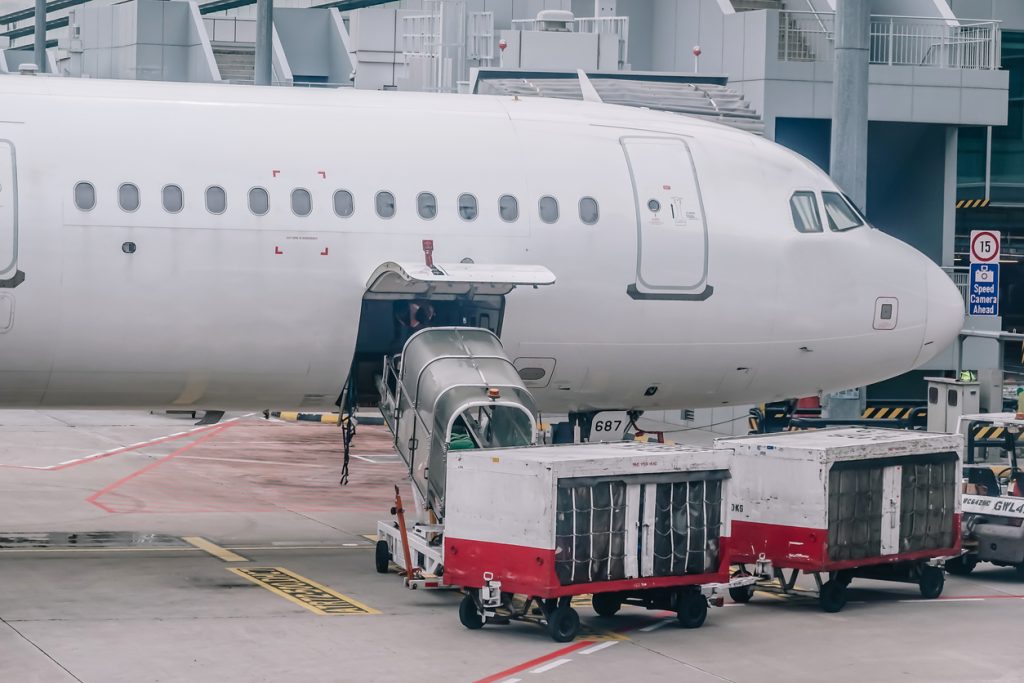
Aviation logistics technology in Africa is becoming increasingly important as airports, airlines, cargo operators and ground-handling companies look for faster ways to move passengers, cargo and operational resources. From electronic documentation and shipment tracking to airport management platforms and automated cargo systems, technology can reduce manual work and improve visibility across complex logistics processes.
African aviation logistics still faces challenges such as fragmented systems, infrastructure limitations, documentation delays and poor coordination between different stakeholders. Technology cannot solve every operational problem on its own, but the right systems can make information easier to share and help logistics teams respond faster.
Where Technology Is Changing Aviation Logistics in Africa
Airport logistics involves many connected activities. Cargo must be received and documented, baggage must be sorted and transferred, aircraft need ground support, and passengers may require transportation beyond the airport.
Digital systems can connect some of these activities and give operators better visibility of what is happening.
Important applications include:
- Digital cargo documentation
- Electronic air waybills and freight management
- Real-time shipment tracking
- Warehouse management systems
- Baggage tracking
- Fleet and vehicle management
- Airport resource scheduling
- Digital customs and clearance processes
- Automated cargo handling
- Data analytics and operational dashboards
These technologies are particularly useful when several organisations need to work together on the same shipment or airport movement.
Digital Tracking for Air Cargo and Freight
Cargo visibility is one of the biggest opportunities for aviation logistics technology in Africa.
A shipment may move through an airline, cargo terminal, customs, ground handler, warehouse, transport company and final delivery point. Without connected tracking, it can become difficult to know exactly where the shipment is or where a delay occurred.
Real-time tracking systems can provide status updates throughout this journey. This is valuable for businesses moving medical supplies, perishables, spare parts, documents and other time-sensitive goods.
For logistics companies, better tracking also makes customer communication easier because updates can be based on actual shipment information rather than repeated phone calls.
Using Technology to Reduce Airport Delays
Technology can also support better coordination of airport resources.
Aircraft stands, ground support equipment, vehicles, baggage teams, cargo facilities and personnel all need to be available at the right time. When one resource is unavailable, the disruption can affect several other activities.
Digital scheduling and resource management platforms can help operations teams see availability, allocate resources and identify potential conflicts earlier.
This is particularly useful during busy periods when airports have limited capacity and several aircraft are being handled simultaneously.
Automation and Artificial Intelligence in Air Cargo
Automation is gradually becoming more relevant to modern cargo operations.
Automated sorting, warehouse systems, digital document processing and artificial intelligence can reduce repetitive manual tasks and help logistics teams analyse large amounts of operational data.
AI can potentially assist with demand forecasting, route planning, resource allocation and identifying unusual patterns in cargo or operational activity.
However, technology needs to be matched to the realities of each airport. A sophisticated system will have limited value if an airport lacks reliable connectivity, electricity, hardware, technical support or trained personnel.
Digital Customs and Cargo Documentation
Documentation remains an important part of African air cargo logistics.
Cargo may require information for airlines, customs authorities, security agencies, freight forwarders and other stakeholders. When information is repeatedly entered, printed or transferred between disconnected systems, errors and delays can occur.
Digital cargo information systems can reduce duplication by allowing authorised stakeholders to access relevant information electronically.
Nigeria is also moving toward greater use of advanced cargo information systems, with the Federal Government announcing plans for an Advanced Cargo Information system intended to improve cargo processing and information sharing. (Aviation Authority Nigeria)
The Challenge of Digital Infrastructure
Technology adoption cannot be separated from infrastructure.
Many African airports operate in environments where internet reliability, electricity supply, hardware availability and technical support can vary considerably. A logistics platform therefore needs appropriate backup arrangements and staff who know how to continue essential operations when a system becomes unavailable.
Training is equally important. Ground handlers, cargo personnel, drivers, airline teams and logistics coordinators need to understand both the technology and the operational procedures behind it.
Connecting Airport Technology With Road Logistics
Air cargo does not end when an aircraft lands.
A shipment may still need customs processing, collection, warehousing and transportation to a warehouse, business premises or customer. Similarly, passengers arriving at an airport may need transport to hotels, offices or other destinations.
This means aviation logistics technology works best when airport processes can connect with the wider transport and delivery network.
For example, a business receiving urgent cargo at Murtala Muhammed International Airport in Lagos may need the shipment collected from the airport, transported through Lagos traffic and delivered to its final destination. Digital communication and tracking can make coordination between these stages much easier.
How Travo.ng Can Support Aviation Travel and Logistics
Travo.ng can support the wider travel and transportation needs that surround aviation logistics rather than acting as an airport operator or specialist aviation technology provider.
For travellers and businesses, this can include airport transfers, travel bookings, hotel reservations, vehicle hire, transport coordination and delivery or logistics support where applicable.
For example, a company bringing staff into Lagos for an aviation-related project may need flights arranged, accommodation secured and airport transportation coordinated. Travo.ng can help bring these travel and movement requirements together instead of leaving each part to separate providers.
For businesses moving people or goods around Nigerian airports, reliable coordination between air travel and road transportation can be just as important as the technology used inside the airport itself.
What African Aviation Operators Should Consider Before Investing
Technology should solve a clearly identified operational problem rather than being introduced simply because it is modern.
Before adopting an aviation logistics platform, operators should consider:
- What process currently causes the biggest delays?
- Can existing systems communicate with the new platform?
- Is internet and power infrastructure reliable enough?
- Who will operate and maintain the system?
- How will sensitive cargo and passenger information be protected?
- What happens if the system goes offline?
- Can the technology scale as cargo and passenger volumes increase?
- Can airlines, customs, handlers and logistics providers share relevant information?
The objective should be practical improvement: better visibility, fewer unnecessary manual processes, faster communication and more reliable movement of cargo and people.
Building More Connected Aviation Logistics Networks
The future of aviation logistics technology in Africa will depend on how effectively digital systems connect different parts of the supply chain.
Cargo tracking, electronic documentation, warehouse systems, resource scheduling, automated handling, data analytics and digital communication can all contribute to more coordinated operations.
The biggest opportunity is not simply adopting more technology. It is connecting the right technology to the actual operational challenges faced by African airports, airlines, cargo operators and transport providers.
