


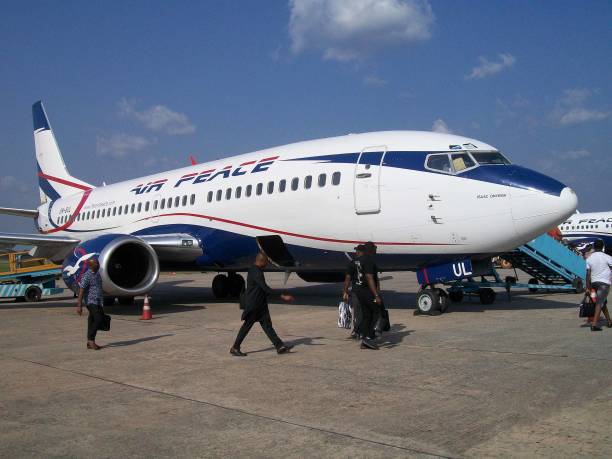
Airport stand allocation challenges in Africa can affect aircraft turnaround times, apron safety, passenger movement and overall airport efficiency. A stand is not simply an empty parking position. It must be suitable for the aircraft, compatible with surrounding infrastructure and available at the right time.
Airport operations in Africa already face challenges involving resource allocation, inefficient use of stands and gates, and conflicts involving apron and taxiway use. ICAO has identified these among the operational issues that can affect African airports. (ICAO)
As passenger and aircraft traffic grows, airports need more effective ways to allocate limited stand capacity while responding to delays, aircraft changes and unexpected operational events.
Why Airport Stand Allocation Is Complicated
Every aircraft cannot use every available stand.
Stand allocation may have to consider the aircraft’s size, wingspan, fuselage length, passenger boarding arrangements, ground service requirements and the facilities available at the position.
The airport also needs to consider:
- Aircraft arrival and departure times
- Expected parking duration
- Contact or remote stand availability
- Passenger boarding bridges
- Nearby parked aircraft
- Ground support equipment requirements
- Fuel and servicing facilities
- Taxi routes and apron circulation
- Stand restrictions and operational dependencies
A stand that is physically empty may therefore still be unsuitable for a particular aircraft.
Limited Stand Capacity During Peak Periods
One of the biggest challenges occurs when several aircraft require stands at approximately the same time.
An airport may have enough stands for normal operations but experience congestion during peak arrival and departure periods. Aircraft that remain at their stands longer than planned can further reduce available capacity.
This creates a chain reaction. A delayed departure keeps one stand occupied, preventing another arriving aircraft from using it. The incoming aircraft may then have to wait, use a remote position or be assigned to another part of the airport.
IATA’s airport capacity guidance recognises aircraft demand, stand occupancy times, aircraft size and the flexibility of stands as important factors in determining practical stand capacity. (Scribd)
Aircraft Type and Stand Compatibility
Aircraft size is another major consideration.
A stand designed for a smaller aircraft may not have the clearance, passenger boarding infrastructure or pavement requirements needed for a larger aircraft. Similarly, assigning a large aircraft to a stand can sometimes reduce the number of smaller aircraft that can be accommodated nearby.
This makes fleet planning important when airports assess future stand requirements.
Flexible configurations can help. ICAO airport planning guidance describes Multiple Aircraft Ramp System arrangements that allow some stand positions to accommodate different aircraft categories depending on demand. (Scribd)
For African airports experiencing changing airline fleets and traffic patterns, flexibility can make existing apron capacity more useful.
Flight Delays Make Stand Allocation Harder
Stand allocation is often planned around scheduled arrival and departure times. Real operations, however, rarely follow the schedule perfectly.
An aircraft may arrive late because of weather, technical problems, air traffic restrictions or delays at its previous airport. Another aircraft may still be occupying the planned stand.
The airport then has to find another workable position.
This is where dynamic stand management becomes important. Research into aircraft stand allocation has specifically examined how airports can respond when planned allocations are disrupted by delayed arrivals and ground-handling problems. (ScienceDirect)
A good allocation system therefore needs to handle changes rather than simply follow the original timetable.
Communication Between Airport Teams
Stand allocation depends heavily on communication.
The airport operator, apron control, air traffic services, airlines and ground handling organisations may all need information about an aircraft’s assigned position.
If a stand changes at short notice, the relevant teams also need to know quickly so they can reposition equipment and personnel.
ICAO guidance recommends that responsibility for stand allocation remains with the airport operator, with clear instructions on stand use and occupancy times. (ICAO)
Poor communication can result in aircraft arriving at an unsuitable or unavailable position, ground teams waiting for instructions and passengers being directed to the wrong gate.
Remote Stands and Passenger Movement
Remote stands can provide additional parking capacity when contact gates are unavailable. However, they also create additional transport requirements.
Passengers may need buses between the terminal and aircraft. Baggage and ground personnel also have to travel between the remote position and other airport facilities.
If remote stands are located far from the terminal, boarding and disembarkation can take longer.
Airport planners therefore need to consider passenger transport, service roads and ground equipment movement when assessing the usefulness of remote stands rather than treating them as simple additional parking spaces.
GSE and Apron Congestion
Stand allocation also affects ground support equipment.
Once an aircraft reaches its stand, baggage loaders, tractors, catering vehicles, fuelling equipment, passenger stairs and other GSE may need access.
If several stands are operating simultaneously, these vehicles can create congestion around aircraft positions and apron service roads.
A stand assignment that looks efficient from a parking perspective may therefore create problems for ground handlers if equipment cannot move easily between the aircraft and their staging areas.
Poor Stand Allocation Can Increase Delays
The consequences of inefficient stand allocation can extend beyond the aircraft waiting for a parking position.
Potential effects include:
- Longer taxi-in times
- Aircraft waiting on the apron
- Delayed passenger boarding
- Longer baggage handling times
- Increased bus transfers
- GSE repositioning
- Longer aircraft turnaround times
- Additional taxi movements
- Conflicts between apron activities
- Delays to subsequent flights
ICAO’s airport performance framework specifically identifies optimising gate and stand assignment as a way to improve taxi-in performance. (ICAO GANP Portal)
Using Technology for Better Stand Allocation
Technology can help airport operations teams manage changing stand requirements.
Stand management systems can combine flight schedules, aircraft information, stand availability and operational restrictions to help teams identify suitable positions.
Real-time updates become particularly useful when flights are delayed or aircraft are changed.
A more advanced system can also help operations teams compare alternative assignments based on factors such as passenger walking distance, taxiing requirements, turnaround time and stand compatibility.
The objective is not simply to automate allocation. It is to give airport teams accurate information quickly enough to make better operational decisions.
Improving Stand Allocation at African Airports
Airports can improve stand allocation without relying entirely on major infrastructure expansion.
Practical measures include:
- Monitoring stand occupancy times.
- Separating long-term aircraft parking from operational stands.
- Maintaining accurate aircraft and stand compatibility data.
- Improving communication between apron control, airlines and handlers.
- Using remote stands strategically.
- Creating flexible stand configurations where appropriate.
- Monitoring peak-hour demand.
- Using digital stand management systems.
- Coordinating GSE requirements before aircraft arrival.
- Developing contingency procedures for delayed or diverted flights.
IATA’s airport slot framework similarly emphasises matching demand with available airport capacity and reducing congestion and delays through coordinated planning. (IATA)
How Travo.ng Can Support Travel Around Airport Operations
Travo.ng does not allocate aircraft stands or manage airport aprons. Its role can instead support the travel and logistics activities surrounding airport operations.
For example, when changing flight schedules or operational delays affect aviation personnel, Travo.ng can help coordinate airport pickups, vehicle hire, hotel reservations and travel bookings. A technical team travelling to an airport project may need transportation between the airport, hotel and work location, even when the airport’s own stand allocation is being managed separately.
For passengers affected by changing arrival times, coordinated airport transfers can also reduce the difficulty of arranging transportation after a delayed flight.
This allows airport operators, airlines and aviation contractors to focus on their specialised operational responsibilities while Travo.ng handles relevant travel and mobility arrangements around the journey.
Planning for More Efficient Stand Use
Airport stand allocation will remain an important operational challenge as African airports handle changing traffic levels, aircraft fleets and passenger demand.
The solution is not always simply to build more stands. Airports can also improve the way existing positions are used by monitoring occupancy, introducing flexible configurations, improving communication and using technology to respond quickly when schedules change.
Better stand allocation can help reduce unnecessary aircraft waiting, improve turnaround coordination and make better use of limited apron capacity. For airports dealing with growing demand, integrating stand planning with terminal, taxiway, GSE and passenger transport requirements is essential for maintaining efficient operations.
