


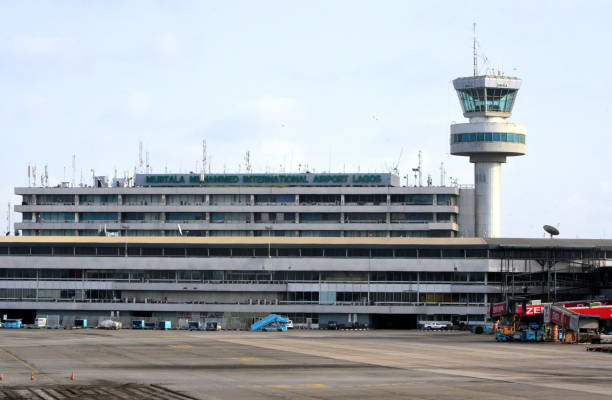
Airside operations management in Africa covers the coordination, safety and control of activities that take place around the aircraft movement area of an airport. This includes aircraft stands, aprons, taxiways, runways, service roads, ground support equipment, vehicles and the teams responsible for keeping these areas operating safely.
Effective management is important because several activities often happen at the same time. An arriving aircraft may require baggage handling, passenger boarding, catering, fuelling, cleaning, maintenance support and ground power before departure. Poor coordination in any of these areas can delay the aircraft and affect other flights.
What Airside Operations Management Covers
Airside operations involve more than simply supervising aircraft movements. Airport operators and ground service providers have to coordinate different activities while maintaining strict safety requirements.
Key areas include:
- Apron and aircraft stand management
- Ramp operations and aircraft turnaround
- Ground support equipment coordination
- Airside vehicle and driver control
- Baggage and cargo movement
- Aircraft towing and pushback
- Fuel and catering coordination
- Foreign object debris control
- Airside inspections
- Emergency response coordination
- Communication between airport stakeholders
ICAO’s aerodrome operational management framework also covers areas such as pavement and apron management, airside driving, vehicle and equipment safety, wildlife hazards, emergency planning and FOD control. (ICAO Store)
Why Airside Coordination Can Be Difficult in Africa
African airports operate under different infrastructure, traffic and resource conditions. Some major airports handle significant passenger and cargo volumes while dealing with limited apron space, ageing equipment, road access problems or shortages of specialised personnel.
A delay involving one ground operation can quickly affect another. For example, if baggage equipment reaches an aircraft late, loading may be delayed. If an aircraft remains on its stand longer than planned, another arriving aircraft may have to wait for an available parking position.
Weather can also complicate operations, particularly during heavy rainfall, poor visibility or periods of strong winds. Airport teams therefore need clear procedures for responding to changing conditions.
Managing Aircraft Turnaround Efficiently
Aircraft turnaround is one of the most important parts of airside operations management.
Once an aircraft arrives, several activities must be completed before it can depart again. These can include passenger disembarkation, baggage unloading, cleaning, catering, fuelling, technical checks, cargo handling and boarding.
Good turnaround management requires:
- Clear allocation of responsibilities
- Accurate turnaround schedules
- Reliable communication between teams
- Timely availability of GSE
- Proper stand allocation
- Monitoring of critical turnaround milestones
- Quick escalation when delays occur
IATA’s ground operations standards emphasise standardised procedures for safe and efficient turnarounds, while its IGOM includes procedures covering aircraft servicing, turnaround, towing, load control and airside safety oversight. (IATA)
Ground Support Equipment and Airside Vehicles
Ground support equipment is central to airside operations. Aircraft cannot be turned around efficiently without equipment such as baggage tractors, belt loaders, passenger stairs, ground power units, pushback tractors and other specialised vehicles.
Operations managers need to know which equipment is available, where it is located, whether it is serviceable and when it is required.
Poor GSE management can create avoidable delays. Equipment that is unavailable, poorly maintained or sent to the wrong aircraft stand can interrupt several stages of a turnaround.
Airside vehicle management is equally important. Vehicles operating near aircraft must follow airport procedures, designated routes, speed restrictions and safety requirements.
Airside Safety and Compliance
Safety has to remain part of everyday airside management rather than something addressed only after an incident.
Regular inspections can identify problems such as FOD, damaged pavement, poorly positioned equipment, unsafe vehicle movements, inadequate markings or other hazards.
Airport operators also need systems for reporting incidents, accidents and near-misses. Staff training is important because airside operations involve multiple organisations working within a restricted and highly controlled environment.
ACI Africa’s airside operations training framework specifically highlights regulatory responsibilities, non-compliance management and improving airside safety through inspections. (ACI Africa)
Technology in African Airside Operations
Technology can help airport teams obtain a clearer picture of what is happening across the airside environment.
Depending on the airport and operational requirements, technology can support:
- GSE tracking
- Vehicle monitoring
- Stand allocation
- Turnaround monitoring
- Digital safety reporting
- Baggage tracking
- Operational communication
- Maintenance scheduling
- Airport collaborative decision-making
The objective is not simply to introduce more technology. Systems should help operations teams make faster decisions, identify bottlenecks and share accurate information between stakeholders.
IATA’s airport operations training also highlights areas such as Airport Collaborative Decision Making, airport command and control, airside safety management and compliance, emergency response and baggage systems. (IATA)
The Importance of Communication Between Airport Stakeholders
Airside operations involve airlines, airport authorities, ground handlers, cargo operators, maintenance teams, security personnel, fuelling companies and other service providers.
If these teams operate independently, information can be delayed or misunderstood. A change in aircraft stand, arrival time or turnaround requirement can affect several teams at once.
Effective airside operations therefore require defined communication channels, clear responsibilities and procedures for escalating operational problems.
This is particularly important during irregular operations, such as severe weather, equipment breakdowns, flight disruptions or unexpected aircraft changes.
How Travo.ng Can Support Aviation Travel and Logistics
Travo.ng can support the wider travel and logistics requirements surrounding airport and airside operations without acting as an airside ground handler or aviation safety operator.
For example, when an airline, aviation contractor, technical team or airport-related business needs personnel moved between the airport, hotels and project locations, Travo.ng can help coordinate airport pickups, vehicle hire and travel arrangements.
It can also support hotel reservations and broader transportation planning for teams travelling to airports in Lagos, Abuja and other Nigerian locations. Where aviation projects require movement of documents, equipment or other permitted items outside restricted airport areas, relevant delivery and logistics coordination can also be arranged.
This kind of support can help aviation teams focus on their specialised airside responsibilities while their surrounding travel and mobility requirements are handled separately.
Building More Reliable Airside Operations Across Africa
Improving airside operations management requires more than purchasing new equipment. Airports need trained personnel, clear procedures, reliable infrastructure, strong communication and effective safety oversight.
The most important improvements often come from connecting these elements. A well-maintained GSE fleet is less useful if equipment allocation is poorly coordinated. Good airport infrastructure can still experience delays if turnaround teams lack accurate operational information.
For African airports, effective airside operations management should therefore focus on safety, coordination, equipment availability, staff competency and efficient turnaround processes. Combining these areas can create a more predictable operating environment for airlines, ground handlers, airport authorities and other aviation stakeholders.
