


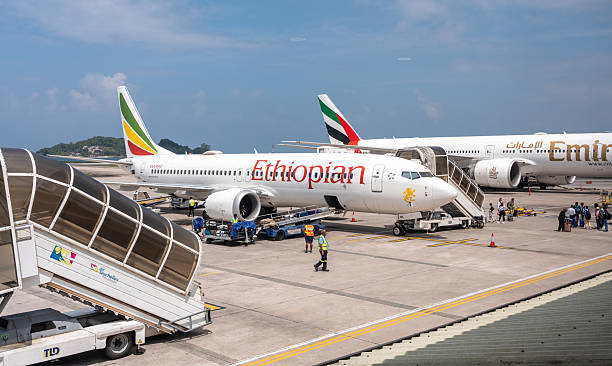
Airport fleet management in Africa involves keeping the vehicles and ground support equipment used around airports available, safe and properly maintained.
These fleets can include baggage tractors, belt loaders, passenger buses, pushback tractors, ground power units, catering vehicles, fuel trucks, maintenance vehicles and other airside equipment. At a busy airport, several units may be moving between aircraft stands, terminals, cargo areas and maintenance facilities at the same time.
Managing this fleet effectively is important because equipment availability can directly affect aircraft turnaround times. Current African aviation fleet-management programmes focus on areas such as GSE maintenance, utilisation, airside permits, fleet readiness and coordinating equipment with flight schedules. (BMC Trainings)
What Airport Fleet Management Covers
Airport fleet management goes beyond simply knowing how many vehicles an airport owns or leases.
A proper fleet-management system should provide visibility over each unit’s condition, location, maintenance status and operational use.
Depending on the airport, this can involve:
- Vehicle and GSE registration
- Equipment allocation
- Preventive maintenance
- Breakdown management
- Fuel and energy monitoring
- Driver and operator authorisation
- Airside permit management
- Equipment inspections
- Spare-parts management
- Utilisation tracking
- Replacement planning
- Fleet safety and compliance
This becomes more complicated when an airport operates several terminals or when multiple ground-handling companies share the same apron environment.
Why GSE Availability Matters
Ground support equipment is essential to the aircraft turnaround process. If the right equipment is unavailable when an aircraft arrives, other teams may have to wait.
For example, baggage teams may require belt loaders and baggage tractors, while passenger operations may need buses or passenger stairs. Aircraft may also require ground power units, pushback tractors and other specialised equipment.
A recent African GSE management approach uses real-time tracking to identify where equipment is located, whether it is idle or in service and when maintenance is due. This type of visibility can help operators allocate equipment more effectively across stands and shifts. (IRIS Retail)
Preventive Maintenance Is Essential
Airport vehicles operate in demanding conditions. Equipment is repeatedly exposed to heavy use, dust, heat, vibration and constant movement around aircraft and other vehicles.
Waiting until equipment breaks down can therefore create operational problems.
Preventive maintenance involves scheduling inspections and servicing based on time, usage or manufacturer requirements. More advanced fleet systems can also use operating hours and condition data to determine when equipment requires attention.
Maintenance planning should cover:
- Engine and mechanical inspections
- Tyre condition
- Hydraulic systems
- Braking systems
- Electrical components
- Batteries
- Safety equipment
- Lights and warning systems
- Body and structural condition
A well-maintained fleet reduces unexpected downtime and makes equipment availability more predictable.
Tracking Fleet Utilisation
Owning a large fleet does not automatically mean an airport has enough usable equipment.
Some units may be heavily used while others remain idle for long periods. Without utilisation data, an operator may purchase additional equipment when better allocation could solve the problem.
Fleet-management systems can track equipment location, operating hours, utilisation and service status. This makes it easier to identify units that are underused, overloaded or frequently unavailable.
For African airports dealing with expensive GSE, this information can also support decisions about whether to buy, lease, refurbish or replace equipment.
Managing Airside Vehicle Movement
Airport fleets operate in an environment where safety is particularly important.
Vehicles and GSE move around aircraft, passengers, baggage equipment, fuelling vehicles and other ground teams. Drivers therefore need appropriate airside authorisation and training, while vehicles must follow airport movement procedures.
IATA’s Enhanced GSE Recognition programme focuses on validating GSE fleets against criteria designed to reduce ground damage and improve safety performance. (IATA)
Fleet management should therefore include more than maintenance and costs. It should also track inspections, operator authorisation, incidents and compliance requirements.
Fleet Management Across Multiple African Airports
Managing one airport fleet is different from managing equipment across several locations.
An aviation company operating in Lagos, Abuja, Accra, Nairobi or Johannesburg may have different equipment requirements at each location. Airport layout, aircraft types, traffic levels, infrastructure and local operating conditions can all influence fleet requirements.
Equipment may also need to be transported between locations when one station experiences higher demand.
This makes centralised fleet information valuable. Managers can see what equipment is available at each location and determine whether existing assets can be reassigned before purchasing additional units.
Buying, Leasing or Refurbishing GSE
Airport operators do not always need to purchase every piece of equipment.
Leasing can provide access to GSE without the full upfront capital cost, while refurbishment can extend the useful life of suitable older equipment. A recent African GSE provider describes fleet advisory work around condition assessments, lifecycle costs, procurement and right-sizing as part of long-term fleet planning. (Gsmsa)
The appropriate approach depends on factors such as:
- Number of aircraft movements
- Equipment utilisation
- Airport operating hours
- Fleet age
- Maintenance costs
- Availability of spare parts
- Contract duration
- Seasonal demand
- Capital budget
The cheapest acquisition option is not necessarily the cheapest option over the equipment’s full operating life.
Using Technology for Better Fleet Control
Digital fleet-management systems can provide a central view of airport vehicles and GSE.
GPS, RFID, telematics and digital maintenance records can help operators determine where equipment is, who is using it, how much it has been used and whether it is due for service.
This can replace fragmented spreadsheets and manual communication with a more consistent record of fleet activity.
Technology is particularly useful at large airports where equipment may be distributed across multiple terminals and stands. However, the system needs to be supported by accurate asset records and staff who consistently record inspections, faults and equipment movements.
Common Airport Fleet Management Challenges in Africa
African airport operators can face several practical fleet-management challenges.
Ageing Equipment
Older GSE may require more frequent maintenance and become harder to support when replacement parts are difficult to source.
Limited Maintenance Capacity
Some airports may not have specialist workshops or technicians for every type of equipment they operate.
Spare-Part Delays
A vehicle can remain unavailable for an extended period if a critical replacement component has to be sourced from another country.
Poor Fleet Visibility
Manual records make it harder to know exactly where equipment is, whether it is operational and when it was last serviced.
Uneven Utilisation
Some equipment may be heavily used while other units remain idle, increasing costs without necessarily improving operational capacity.
How Travo.ng Can Support Airport Fleet Logistics
Travo.ng is not a GSE manufacturer, fleet-management software provider or airport ground-handling operator. Its role can support the wider transportation and logistics requirements surrounding airport fleet operations.
For example, an airport equipment company sending technicians to Lagos, Abuja, Nairobi or another African airport may need flights, airport pickups, hotel accommodation and transportation between the airport, workshop and operational site.
Travo.ng can coordinate these travel and mobility requirements around the team’s work schedule. Where appropriate, it can also support related transportation and delivery logistics connected to an aviation project.
This allows specialist fleet teams to remain responsible for vehicle maintenance, GSE deployment and airside operations while Travo.ng handles relevant travel arrangements for the people involved.
Building a More Efficient Airport Fleet
Effective airport fleet management comes down to knowing what equipment is available, where it is, how it is being used and when it needs maintenance.
For African airports, combining preventive maintenance, utilisation monitoring, operator training, appropriate fleet sizing and reliable equipment tracking can reduce avoidable downtime.
The goal is not simply to operate a larger fleet. It is to have the right equipment, in the right location, in usable condition and available when aircraft and ground teams need it.
