


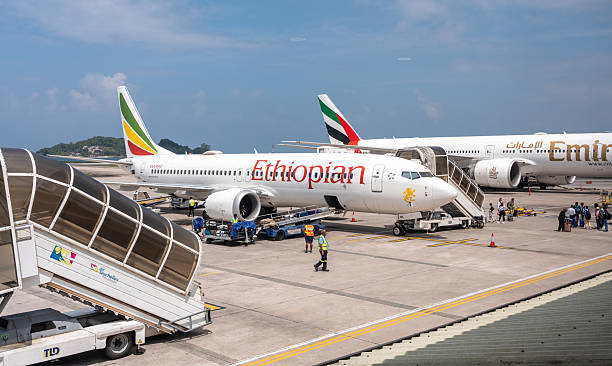
Airport ground handling contractors in Africa provide the operational support airlines need between aircraft arrival and departure. Their work covers passenger handling, baggage, cargo, ramp operations, aircraft servicing, ground support equipment and other activities that keep flights moving on the ground.
The contractor selected for an airport operation can have a direct effect on turnaround efficiency, service coordination and the handling of passengers and cargo. Because airport requirements differ across African countries, airlines and aviation operators need contractors with the appropriate local approvals, equipment, personnel and operational capabilities.
What Airport Ground Handling Contractors Do
Ground handling contractors can manage a wide range of services on behalf of airlines and other aviation operators.
Depending on the airport and contract, these may include:
- Passenger check-in and boarding
- Baggage loading and unloading
- Ramp handling
- Aircraft marshalling
- Pushback and towing
- Cargo handling
- Aircraft cleaning
- Ground power and other GSE
- Water and lavatory servicing
- Load control
- Flight operations support
- Catering coordination
- VIP and executive aviation services
Aviation Handling Services, for example, operates across several African markets and provides ground and passenger handling, cargo handling, cleaning, executive aviation and other airport services. (Aviation Handling Services)
Why Airlines Use Ground Handling Contractors
Airlines operating across several countries do not necessarily need to build their own complete ground operation at every airport.
Using a local or regional contractor allows an airline to access personnel, equipment and airport knowledge without establishing an entire handling department at each station.
The contractor can coordinate with airport authorities, customs, security agencies, cargo facilities and other service providers while working according to the airline’s operational requirements.
This is particularly useful for international airlines and carriers operating scheduled, charter or ad hoc services into multiple African destinations.
Passenger and Baggage Handling
Passenger handling starts before travellers reach the aircraft.
Contractors may support check-in, document processing, boarding, special assistance and passenger movement. Baggage teams then coordinate the movement of luggage from check-in to the aircraft and from the aircraft to the arrivals area.
NAHCO in Nigeria, for example, provides passenger handling from check-in through disembarkation and uses automated departure control systems at some of its operating locations. (Nahco Aviance)
Poor coordination at this stage can result in missed connections, baggage delays and longer aircraft turnaround times.
Ramp and Aircraft Handling
Ramp operations take place around the aircraft and require careful coordination between different teams.
Ground handling contractors may provide aircraft marshalling, baggage and cargo loading, pushback, towing, ground power and other turnaround activities.
These operations often happen simultaneously. A contractor therefore needs enough trained personnel and serviceable equipment to handle the aircraft within the scheduled turnaround window.
NAHCO identifies aircraft handling and investment in additional ground support equipment as part of its operations in Nigeria. (Nahco Aviance)
Cargo Ground Handling
Cargo handling is another major responsibility for specialist airport contractors.
Shipments may need to be received, weighed, screened, stored and prepared for aircraft loading. Import cargo may also require customs processing and onward transportation after release.
Different cargo types can require different handling arrangements. Perishables, pharmaceuticals, valuables, dangerous goods and oversized shipments may need specialised facilities or procedures.
Aviation Handling Services operates cargo handling services at several African stations, while Aviance Ghana provides cargo and aviation support for airline operations in Ghana. (Aviation Handling Services)
Ground Support Equipment and Maintenance
A contractor cannot provide efficient ramp services without appropriate equipment.
Depending on the operation, this may include baggage tractors, belt loaders, aircraft tugs, ground power units, passenger stairs, water vehicles and other specialised equipment.
Equipment availability is particularly important during busy periods. A breakdown involving a critical piece of GSE can affect several turnaround activities.
Maintenance capability should therefore be considered when evaluating a contractor. Airlines need to know whether the contractor has technicians, spare parts and procedures for keeping essential equipment operational.
Finding Certified Contractors in African Markets
Ground handling requirements are not identical across Africa. Airlines should verify that a contractor is authorised to provide the required services at the specific airport.
For example, the Kenya Civil Aviation Authority publishes a list of certified ground handling agents, including Swissport Kenya, Tradewinds Aviation Services, Kenya Aerotech, Avior Tech Services, NAS Signon Aviation and Africa Flight Services. (KCAA | Kenya Civil Aviation Authority)
IATA also maintains a Ground Handling Partner Directory covering ground service providers, airports and non-IATA airlines participating in its Ground Handling Partner Program. (IATA)
Checking local certification, airport permissions and relevant safety requirements should therefore be part of the contractor selection process.
Challenges Facing Ground Handling Contractors in Africa
Ground handlers across the continent operate in very different environments.
Some of the practical challenges include:
- Short aircraft turnaround windows
- Limited or ageing GSE
- Equipment maintenance problems
- Increasing passenger volumes
- Cargo handling constraints
- Airport congestion
- Limited infrastructure at some airports
- Different regulatory requirements between countries
- Shortages of specialised aviation personnel
- Coordination between several airport stakeholders
The African Airlines Association has specifically identified differences in ground handling standards, infrastructure limitations and handling costs as issues affecting the continent’s aviation industry. (Afraa)
What Airlines Should Check Before Hiring a Contractor
Before appointing an airport ground handling contractor, airlines should look beyond the quoted handling price.
Important considerations include:
- Airport-specific certification
- Range of services offered
- Aircraft types supported
- GSE availability
- Staff training
- Safety and quality systems
- Cargo capabilities
- Baggage handling systems
- Equipment maintenance
- Operating hours
- Emergency support
- Local airport experience
- Ability to support irregular or ad hoc operations
A contractor that can provide several services under one agreement may also simplify coordination for airlines operating complex schedules.
How Travo.ng Can Support Aviation Travel and Logistics
Travo.ng does not replace specialist airport ground handling contractors. Instead, it can support the travel and transportation logistics surrounding aviation operations.
For aviation companies, contractors and businesses sending personnel across African markets, Travo.ng can assist with relevant services such as airport transfers, vehicle hire, travel bookings, hotel reservations, cargo and delivery logistics, and transportation coordination where applicable.
For example, a ground handling company sending technicians to another African airport may need flights, accommodation and airport transportation arranged around the assignment. A business transporting aviation personnel between an airport, hotel and project location may also require coordinated ground transport.
Travo.ng can support these wider logistics requirements, helping connect the airport operation with the rest of the journey.
Coordinating Ground Handling Across Africa
For airlines operating across multiple African countries, ground handling is only one part of the wider aviation logistics chain.
A successful operation requires the contractor, airline, airport authority, cargo teams, security agencies and transportation providers to work from accurate schedules and clear responsibilities.
The right ground handling contractor should therefore be selected according to the airport, aircraft, passenger and cargo requirements rather than simply choosing the lowest-cost option.
With appropriate certification, trained personnel, reliable equipment and strong operational coordination, ground handling contractors can help airlines complete aircraft turnarounds efficiently while maintaining the required safety and service standards.
