


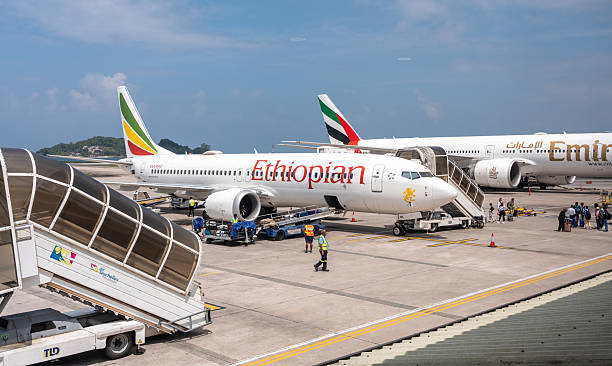
Aircraft ground handling in Nigeria covers the services required to prepare an aircraft for departure and manage it after arrival. These activities take place around the aircraft and across the airport, involving baggage, cargo, passengers, ground support equipment, fuelling, cleaning, catering, and aircraft movement.
At busy Nigerian airports, efficient ground handling is important because delays in one operation can affect the aircraft’s turnaround and potentially disrupt later flights.
What Aircraft Ground Handling Includes
Ground handling involves several activities that need to happen within a limited turnaround period.
Depending on the flight and airport, these can include:
- Baggage loading and unloading
- Cargo handling
- Passenger boarding and disembarkation
- Aircraft cleaning
- Catering services
- Aircraft fuelling coordination
- Ground power and other equipment
- Pushback and aircraft positioning
- Water and waste servicing
- Ramp safety and coordination
Different airlines and airports may use different handling arrangements, but the objective remains the same: complete required services safely and efficiently before the aircraft departs.
Major Airports and Ground Handling Activity
Nigeria’s aviation network includes major international airports serving Lagos, Abuja, Port Harcourt, Kano, Enugu, and other locations.
Murtala Muhammed International Airport in Lagos handles significant international passenger and cargo activity, while Nnamdi Azikiwe International Airport in Abuja is an important gateway for the Federal Capital Territory.
The level of ground handling activity varies between airports depending on airline schedules, passenger demand, cargo volumes, aircraft types, and available infrastructure.
Baggage Handling and Aircraft Turnaround
Baggage operations are closely connected to aircraft departure times.
After passengers check in, their luggage needs to be sorted, transported to the aircraft, loaded, and properly accounted for. On arrival, bags must be unloaded and transferred to the terminal for collection.
Delays can occur when baggage volumes are high, equipment is unavailable, or teams are not properly coordinated. Efficient baggage processes are therefore an important part of maintaining predictable turnaround times.
Ground Support Equipment in Nigeria
Ground support equipment allows teams to service aircraft efficiently.
This can include baggage tractors, belt loaders, passenger stairs, pushback tractors, ground power units, water service vehicles, and other specialised equipment.
Equipment availability can become a problem when several aircraft require the same resources at the same time. Regular maintenance, equipment inspections, and appropriate resource planning can help reduce avoidable disruptions.
Ramp Operations and Safety
The aircraft ramp is a highly active environment where aircraft, vehicles, equipment, and personnel operate close together.
Ground teams need clear procedures for approaching aircraft, positioning equipment, moving vehicles, loading baggage, and preparing aircraft for pushback.
Good ramp management should prioritise safety while also keeping different ground activities properly coordinated.
Managing Nigeria’s Traffic and Transport Challenges
Aircraft ground handling does not operate separately from road transportation.
Passengers, crew, cargo, catering supplies, aviation equipment, and other materials may need to move between the airport and locations across the city. In Lagos and other major urban areas, road congestion can affect the timing of these movements.
Transport providers need to account for traffic conditions when scheduling airport pickups, cargo collection, deliveries, and other ground movements.
Cargo Handling at Nigerian Airports
Nigeria’s airports also support the movement of commercial and time-sensitive cargo.
Cargo may include agricultural products, electronics, business shipments, industrial materials, pharmaceuticals, and aircraft-related supplies. Handling requirements can vary depending on the nature of the shipment.
Cargo needs to be properly documented, screened, stored, and transported between the aircraft, terminal, customs area, and final destination.
Dealing With Delays and Disruptions
Ground operations can be affected by late aircraft arrivals, equipment problems, weather, congestion, staffing issues, and changes to flight schedules.
Ground handlers can reduce the impact of these disruptions through contingency planning. Backup equipment, flexible staffing arrangements, clear communication channels, and early updates can help teams respond when normal operations change.
Using Technology in Ground Handling
Digital systems can improve coordination between airlines, airport operators, ground handlers, and logistics providers.
Operational tracking can provide information about aircraft arrival times, baggage status, equipment availability, turnaround progress, and other activities. This allows teams to identify potential delays earlier and make adjustments where possible.
Digital cargo and baggage tracking can also improve visibility for businesses and passengers.
Connecting Ground Handling With Passenger Transport
A passenger’s journey does not end when the aircraft parks at the terminal.
Travellers may need airport pickups, hotel transfers, vehicle hire, or transportation to another city. When flights arrive late, these arrangements may also need to be adjusted.
Travo.ng can support airport transfers, travel bookings, hotel reservations, vehicle arrangements, delivery coordination, and other logistics requirements. Coordinating these services around flight schedules can help passengers and businesses manage their journeys more efficiently.
Improving Aircraft Ground Handling in Nigeria
Efficient aircraft ground handling in Nigeria depends on reliable equipment, trained personnel, good communication, appropriate airport infrastructure, and strong coordination between different service providers.
Airlines and ground handlers can improve turnaround performance by maintaining equipment, planning resources around peak periods, monitoring operational data, and preparing contingency arrangements.
For passengers and businesses, reliable ground transportation and logistics coordination are equally important. Connecting airport operations with the wider transport network helps keep people and cargo moving efficiently from the aircraft to their final destination.
