


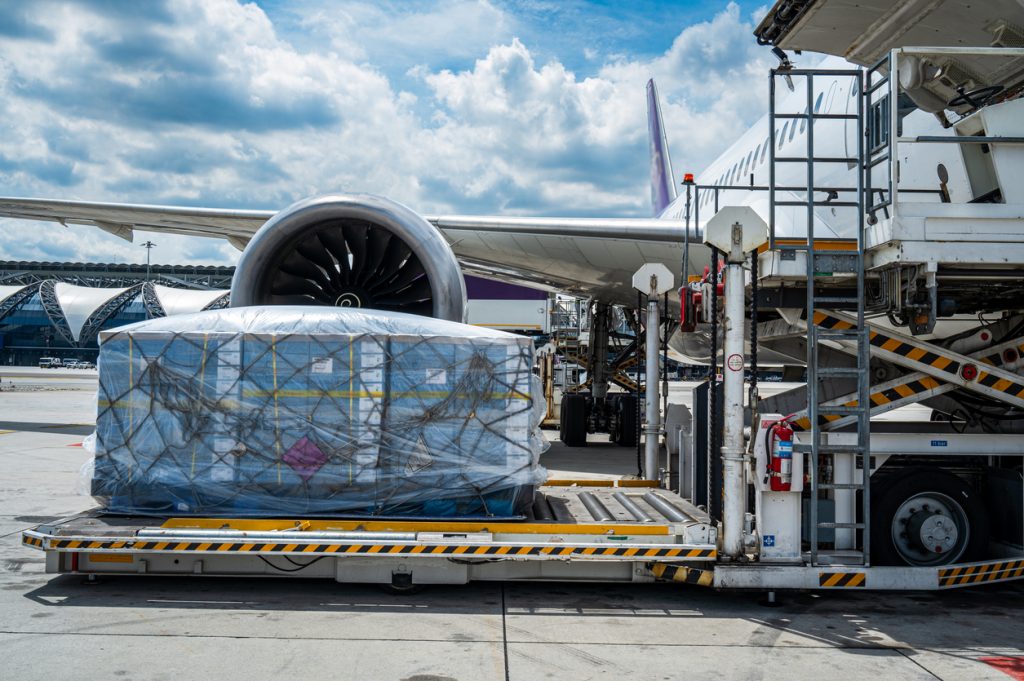
Airport warehousing is an important part of the cargo logistics network in Africa. Goods arriving by air often cannot move directly from an aircraft to their final destination. They may need to be received, inspected, documented, stored, cleared, and prepared for collection or onward transportation.
Efficient airport warehouses help keep this process organised while giving businesses a secure place to hold cargo between flights, customs processing, and final delivery.
What Is Airport Warehousing?
Airport warehouses are facilities used to receive and temporarily store air cargo before it moves to the next stage of the supply chain.
Export cargo may enter a warehouse before being screened and prepared for an outbound flight. Imported cargo may be stored after arrival while it undergoes handling, inspection, or customs procedures.
The exact process varies between airports and types of cargo, but good warehouse organisation is essential to prevent unnecessary delays.
Why Storage Capacity Matters
Cargo volumes can fluctuate significantly throughout the year. When the amount of freight arriving at an airport exceeds available warehouse capacity, congestion can develop quickly.
Limited storage space can make it harder for staff to locate shipments, move new cargo into the facility, or process goods efficiently. Airports experiencing increasing cargo activity therefore need to plan warehouse capacity around both current and expected demand.
Handling Different Types of Cargo
Not every shipment can be stored in the same way.
General cargo may require standard warehouse space, while other shipments can need specialised facilities. Pharmaceuticals, fresh produce, flowers, valuable goods, live animals, and dangerous goods may have specific storage and handling requirements.
Warehouse operators need appropriate procedures, equipment, security controls, and trained staff for the cargo they handle.
Cold Storage for Perishable Goods
Cold chain infrastructure is particularly important for African agricultural exports and temperature-sensitive products.
Fresh fruits and vegetables, flowers, pharmaceuticals, vaccines, and other goods may need controlled temperatures while waiting for aircraft loading, customs processing, or collection.
Reliable cold rooms, temperature monitoring, suitable packaging, and refrigerated transport can help maintain product quality throughout the supply chain.
Customs and Inspection Areas
Airport warehouses often work closely with customs and other regulatory authorities.
Cargo may need to be inspected or verified before it can be released. If documentation is incomplete or additional checks are required, shipments may remain in storage for longer than expected.
Businesses can reduce avoidable delays by preparing accurate shipment information and required documentation before cargo reaches the airport.
Improving Warehouse Organisation
Poorly organised cargo storage can increase handling time and make shipments difficult to locate.
Clear identification, designated storage zones, accurate inventory records, and appropriate material-handling equipment can improve warehouse operations.
Digital inventory systems can also help staff know where shipments are stored and which cargo is ready for collection or further processing.
Using Technology for Cargo Visibility
Technology is becoming increasingly useful in airport warehousing.
Digital tracking can provide updates as cargo is received, moved into storage, processed, cleared, and released. This gives logistics providers and businesses better visibility into shipment status.
Warehouse management systems can also provide information about storage capacity, cargo location, handling activity, and shipment dwell times.
Security Within Airport Warehouses
Cargo security is another important consideration.
Airport warehouses may hold high-value goods, sensitive documents, electronics, pharmaceuticals, and other valuable shipments. Controlled access, appropriate screening, surveillance, secure storage areas, and clear handover procedures can help protect cargo.
Security procedures need to work alongside efficient handling so that protecting shipments does not unnecessarily slow normal operations.
Connecting Warehousing With Road Logistics
Airport warehousing is only one stage of the cargo journey. Once goods are released, they need to reach their next destination.
A shipment arriving at an airport in Lagos, for example, may need to be transported to a warehouse, factory, shop, or customer elsewhere in the city or another state. Traffic congestion and vehicle availability can affect this final stage.
Arranging collection and onward delivery before cargo is released can reduce waiting time and improve delivery coordination.
Preparing for Peak Cargo Periods
Airport warehouses can experience significant pressure during periods of high freight demand.
Holiday seasons, agricultural export periods, major commercial events, and increased import activity can all increase cargo volumes. Operators can prepare by reviewing storage capacity, staffing levels, equipment availability, and collection schedules ahead of expected peaks.
Businesses can also reduce delays by booking transportation early and avoiding unnecessary last-minute cargo movements.
How Travo.ng Supports Airport Logistics
Travo.ng can support businesses and individuals with logistics coordination connected to airport cargo movement. Services can include delivery arrangements, transport coordination, airport transfers, travel bookings, and related movement requirements.
For businesses collecting cargo from an airport warehouse, having suitable transportation ready can help goods move quickly once they are cleared and released.
Making Airport Warehousing More Efficient
Airport warehousing in Africa plays an important role in keeping air cargo moving between aircraft and final destinations. Storage capacity, specialised facilities, customs coordination, security, equipment, and digital tracking all influence warehouse performance.
Businesses can make cargo movements more predictable by preparing documentation early, understanding storage requirements, arranging appropriate transportation, and planning around peak periods.
A well-coordinated airport warehouse does more than store cargo. It connects air transportation with the wider logistics network and helps goods move safely and efficiently toward their final destination.
