


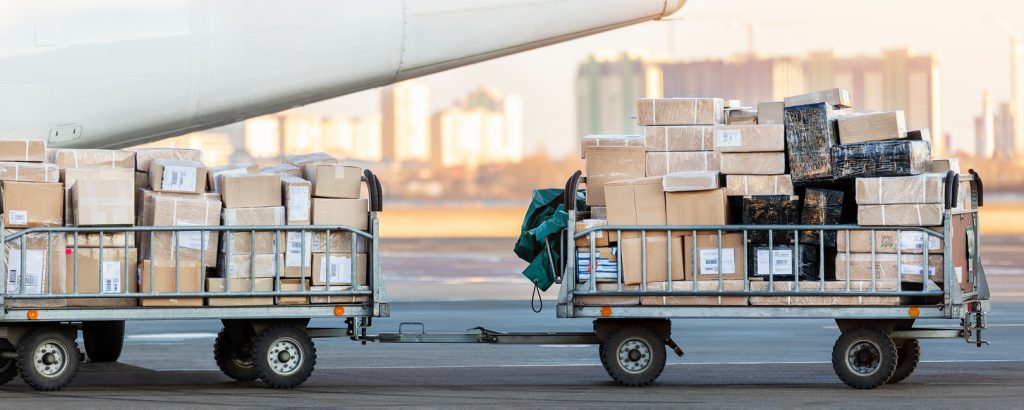
Cargo terminal operations are a critical part of the air freight system in Africa. Before goods can be loaded onto an aircraft or released to a receiver, they need to pass through a series of handling, security, documentation, storage, and clearance processes.
At busy airports, the efficiency of these operations can directly affect how quickly cargo reaches its destination. Good coordination between airlines, terminal operators, freight forwarders, customs officials, handlers, and road transport providers is therefore essential.
How Cargo Terminals Work
A cargo terminal receives shipments arriving by road or aircraft and manages them until they are ready for the next stage of transportation.
Depending on whether the cargo is being exported or imported, the process can include acceptance, weighing, security screening, documentation checks, storage, customs processing, aircraft loading or unloading, and cargo release.
Different types of cargo may require different handling procedures. Perishables, pharmaceuticals, live animals, dangerous goods, and high-value shipments may need specialised facilities and additional controls.
Cargo Acceptance and Documentation
The first stages of cargo handling require accurate shipment information.
Terminal staff may need to verify details such as the shipper, consignee, weight, dimensions, packaging, and required documentation. Errors at this stage can cause delays later in the process.
Businesses and freight forwarders can reduce problems by checking their documents and shipment information before cargo reaches the terminal.
Cargo Screening and Security
Cargo must go through appropriate security procedures before being accepted for air transportation.
Screening helps identify prohibited or restricted items and supports the safety of aircraft and airport operations. Depending on the shipment and airport, different screening methods and additional inspections may be required.
Efficient screening depends on suitable equipment, trained personnel, and enough capacity to handle cargo volumes without creating unnecessary queues.
Warehouse Storage and Organisation
Cargo terminals need well-organised storage areas to prevent shipments from being misplaced or delayed.
Cargo may be separated according to destination, airline, flight, handling requirements, or type of goods. Temperature-sensitive shipments may need controlled storage, while other cargo may require secure areas.
Accurate inventory records and clear identification systems make it easier for staff to locate and release shipments when required.
Loading and Unloading Aircraft
Moving cargo between an aircraft and the terminal requires careful coordination.
Ground handling teams need appropriate loaders, forklifts, dollies, tugs, and other equipment. Cargo must also be positioned and secured correctly before transportation.
When equipment is unavailable or aircraft and terminal teams are not properly coordinated, loading and unloading can take longer and affect aircraft turnaround schedules.
Customs Clearance and Cargo Release
Imported cargo may need to complete customs and other regulatory procedures before it can leave the airport.
The time required can vary depending on the type of shipment, documentation, inspection requirements, and applicable regulations. Delays can occur when information is incomplete or additional verification is required.
Early preparation of documents and clear communication between the relevant parties can help make the process more predictable.
Managing Perishable and Temperature-Sensitive Cargo
Some African exports, particularly agricultural products, depend on efficient handling at cargo terminals.
Fresh produce, flowers, pharmaceuticals, and other temperature-sensitive goods can require controlled environments. Delays in receiving, storage, inspection, or collection can affect product quality.
Cargo terminals handling these products need appropriate cold rooms, temperature monitoring, trained staff, and suitable transfer procedures.
Handling Peak Cargo Volumes
Cargo terminals can become congested when shipment volumes increase suddenly.
Holiday periods, harvest seasons, major commercial events, and changes in airline schedules can all affect cargo demand. When warehouse space, staff, or handling equipment cannot keep up with incoming shipments, processing times can increase.
Terminal operators can prepare by forecasting demand, scheduling additional resources, and improving the flow of cargo through different processing areas.
Using Digital Systems in Cargo Terminals
Digital systems can improve visibility and coordination across cargo terminal operations.
Electronic shipment records, cargo tracking, inventory management, digital documentation, and automated notifications can help operators monitor shipments at different stages.
Better data can also help identify recurring problems, such as long cargo dwell times or repeated delays during specific processing stages.
Connecting Cargo Terminals With Road Logistics
Cargo terminal operations are only one part of the delivery chain. Once goods are cleared and released, they still need to reach a warehouse, factory, shop, office, or customer.
This is particularly important at major African airports where traffic congestion can affect collection times. A shipment ready for collection may still take hours to reach its final destination if road transportation has not been arranged properly.
Travo.ng can support delivery coordination, transport arrangements, airport transfers, and other logistics services that connect airport operations with onward movement.
Making Cargo Terminal Operations More Efficient
Efficient cargo terminal operations in Africa depend on the coordination of infrastructure, people, equipment, technology, and regulatory processes.
Accurate documentation, organised warehouses, reliable handling equipment, effective security screening, appropriate cold storage, and timely customs processing can all contribute to smoother cargo movement.
Businesses can also improve their logistics planning by arranging documentation and onward transportation before shipments arrive. When cargo terminal operations are connected to reliable road and delivery logistics, goods can move more efficiently from aircraft to their final destination.
